On this episode of the Theology for the People Podcast, I am joined by Jason Cralley, Executive Pastor at White Fields Community Church, and we respond to questions from listeners on a variety of topics, including how Christians should respond to Pride Month, whether humans will have the ability to sin in the age to come, how to serve God faithfully in an unsatisfying job, and how to respond to different situations in dating and marriage.
AMA #1: Ask Me Anything – Pride Month, Sin in the New Jerusalem, Work, Marriage, and more –
Theology for the People
In this episode, Nick Cady and Jason Cralley respond to questions on various topics, including how Christians should respond to Pride Month, whether humans will have the ability to sin in the age to come, how to serve God faithfully in an unsatisfying job, and how to respond to different situations in dating and marriage.
To submit your questions for future Ask Me Anything Episodes, visit nickcady.org.
Have we over-emphasized the value of rest and Sabbath to the neglect of the biblical teaching on diligence and hard work?
On this episode of the Theology for the People Podcast, I am joined by Tyler Fuss and Mike Neglia to discuss what the Bible has to say about the importance of diligence, the danger of sluggardliness, and how to know the difference between hard work and over-work.
Tyler is a member of White Fields Community Church; he studied theology at Denver Seminary and is now a business owner in Colorado. Mike is the lead pastor of Calvary Cork in Cork, Ireland and a student at Western Seminary. Mike also leads Expositors Collective, an initiative which seeks to raise up the next generation of expository Bible teachers, and he hosts the Expositors Collective Podcast.
With All Your Might: Exploring Biblical Teaching about Diligence, Hard Work, Sabbath, and Sloth –
Theology for the People
Have we over-emphasized the value of rest and Sabbath to the neglect of the biblical teaching on diligence and hard work?
On this episode, Nick Cady is joined by Tyler Fuss and Mike Neglia to discuss what the Bible has to say about the importance of diligence, the danger of sluggardliness, and how to know the difference between hard work and over-work.
Tyler studied theology at Denver Seminary and is now a business owner in Colorado. Mike is the lead pastor of Calvary Cork in Cork, Ireland and a student at Western Seminary. Mike also leads Expositors Collective, an initiative which seeks to raise up the next generation of expository Bible teachers, and he hosts the Expositors Collective Podcast.
Resources mentioned in this episode:
Zeal Without Burnout (Book)
Don't Waste Your Life (Book)
You Have One Life, Don't Waste It (John Piper YouTube video)
Overcoming Apathy and Slothfulness – Uche Anzior (Podcast Episode)
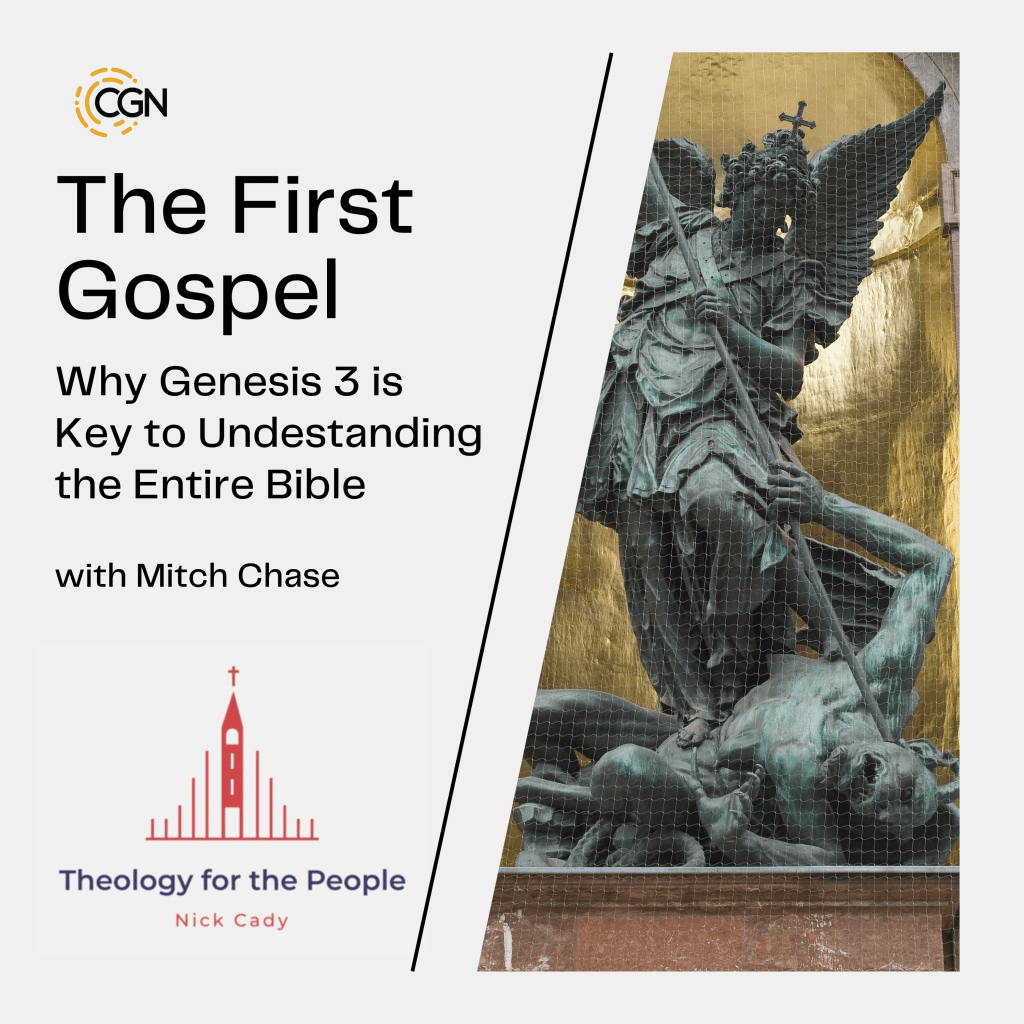
On this episode of the Theology for the People Podcast, I speak with Pastor Mitch Chase from Louisville, Kentucky about how a better understanding of Genesis 3 can help us understand the entire Bible in a deeper way.
The First Gospel: Why Genesis 3 is Key to Understanding the Entire Bible – with Mitch Chase –
Theology for the People
Mitchell Chase (PhD) is the Associate Professor of Biblical Studies at Southern Baptist Theological Seminary in Louisville, Kentucky. He also serves as Preaching Pastor at Kosmosdale Baptist Church. Mitch has written several articles for the Gospel Coalition, and he is the author of several books.
In this episode, Mitch and Nick discuss how a better understanding of Genesis 3 can help us understand the entire Bible in a deeper way. Mitch’s latest book, Short of Glory: a Biblical and Theological Exploration of the Fall, addresses this topic. We discuss some issues in Genesis 3, such as the priestly role of Adam and the naming of Eve, among others.
Follow Mitch on Substack at Biblical Theology
My guest is Shane Angland. Shane is a graduate of Dallas Theological Seminary, and he was also a missionary in Eastern Ukraine.
The Raskol of 1666 was a schism that took place in the Russian Orthodox Church, which highlights some of the distinctive features of Orthodox theology, and Russian Orthodoxy theology uniquely. Furthermore, we talk about how Russian Orthodox theology plays a role in the current war in Ukraine.
On this episode of Theology for the People, we dive into the topic of Russian Orthodox Christianity.
My guest is Shane Angland. Shane is a graduate of Dallas Theological Seminary, and he was also a missionary in Eastern Ukraine.
The Raskol of 1666 was a schism that took place in the Russian Orthodox Church, which highlights some of the distinctive features of Orthodox theology, and Russian Orthodoxy theology uniquely. Furthermore, we talk about how Russian Orthodox theology plays a role in the current war in Ukraine.
Visit the Theology for the People blog at nickcady.org
On this episode of the Theology for the People Podcast, I speak with Mike Neglia about the 7 letters to 7 churches in Revelation 2-3, and what these letters show us about Christ’s concern for local churches, and how that should shape the way we feel and act towards the local church ourselves.
Mike Neglia is the Lead Pastor of Calvary Cork, in Cork, Ireland. He is a graduate student at Western Seminary and he leads Expositors Collective, an initiative to train and equip the next generation of Christ-centered expository Bible teachers.
Christ's Concern for the Local Church: Seen in the 7 Letters to Churches in Revelation – with Mike Neglia –
Theology for the People
Mike Neglia is the Lead Pastor of Calvary Cork, in Cork, Ireland. He is a graduate student at Western Seminary and he leads Expositors Collective, an initiative to train and equip the next generation of Christ-centered expository Bible teachers.
In this episode, Mike and I speak about the 7 letters to 7 churches in Revelation 2-3, and what these letters show us about Christ's concern for local churches, and how that should shape the way we feel and act towards the local church ourselves.
Resources mentioned in this episode include:
Expositors Collective Podcast episode with Jeffrey Weima
The Sermons to the Seven Churches of Revelation: A Commentary and Guide, by Jeffrey Weima
Calvary Global Network International Conference
Calvary Cork YouTube page
How do we know when the books of the New Testament were written? Is it important?
In this episode of the Theology for the People podcast, I speak with Shane Angland about the dating of the Gospels and Revelation, and why the answer to that question might be more important than you think.
We discuss relative and absolute dating methods. We also look at some of the evidences for why we can be confident that the Gospels were written shortly after Jesus’ life and ascension. Additionally we talk about the Book of Revelation, and how the dating of Revelation actually determines how we interpret it.
Shane ss a teaching elder at Ennis Evangelical Church in County Clare, Ireland. He is a graduate of Dallas Theological Seminary (Th.M.) and holds a BA in History and Politics from the University of Limerick. Shane also served for several years as a missionary in Kharkiv, Ukraine.
The book Shane recommends at the end of this episode is: Redating the New Testament by John A.T. Robinson. Although Shane doesn’t agree with Robinson’s theology at some points, this work was groundbreaking because it showed that the books of the New Testament were most likely all written within the first century, and therefore were not pseudographs written in the Second Century, or later, as some, like Walter Bauer, had claimed in the 19th Century.
When were the Gospels & Revelation Written? And Why It Matters – with Shane Angland –
Theology for the People
How do we know when the books of the New Testament were written? Is it important?
In this episode, I speak with Shane Angland about the dating of the Gospels and Revelation, and why the answer to that question might be more important than you think. We look at some of the evidences for why we can be confident that the Gospels were written shortly after Jesus' life and ascension. Additionally we talk about the Book of Revelation, and how the dating of Revelation actually determines how we interpret it.
Shane ss a teaching elder at Ennis Evangelical Church in County Clare, Ireland. He is a graduate of Dallas Theological Seminary (Th.M.) and holds a BA in History and Politics from the University of Limerick. Shane also served for several years as a missionary in Kharkiv, Ukraine.
The book Shane recommends at the end of this episode is: Redating the New Testament by John A.T. Robinson
Check out Shane's blog here: http://anglandicus.blogspot.com/
Visit the Theology for the People blog at nickcady.org, where you can read articles and suggest topics for future episodes.
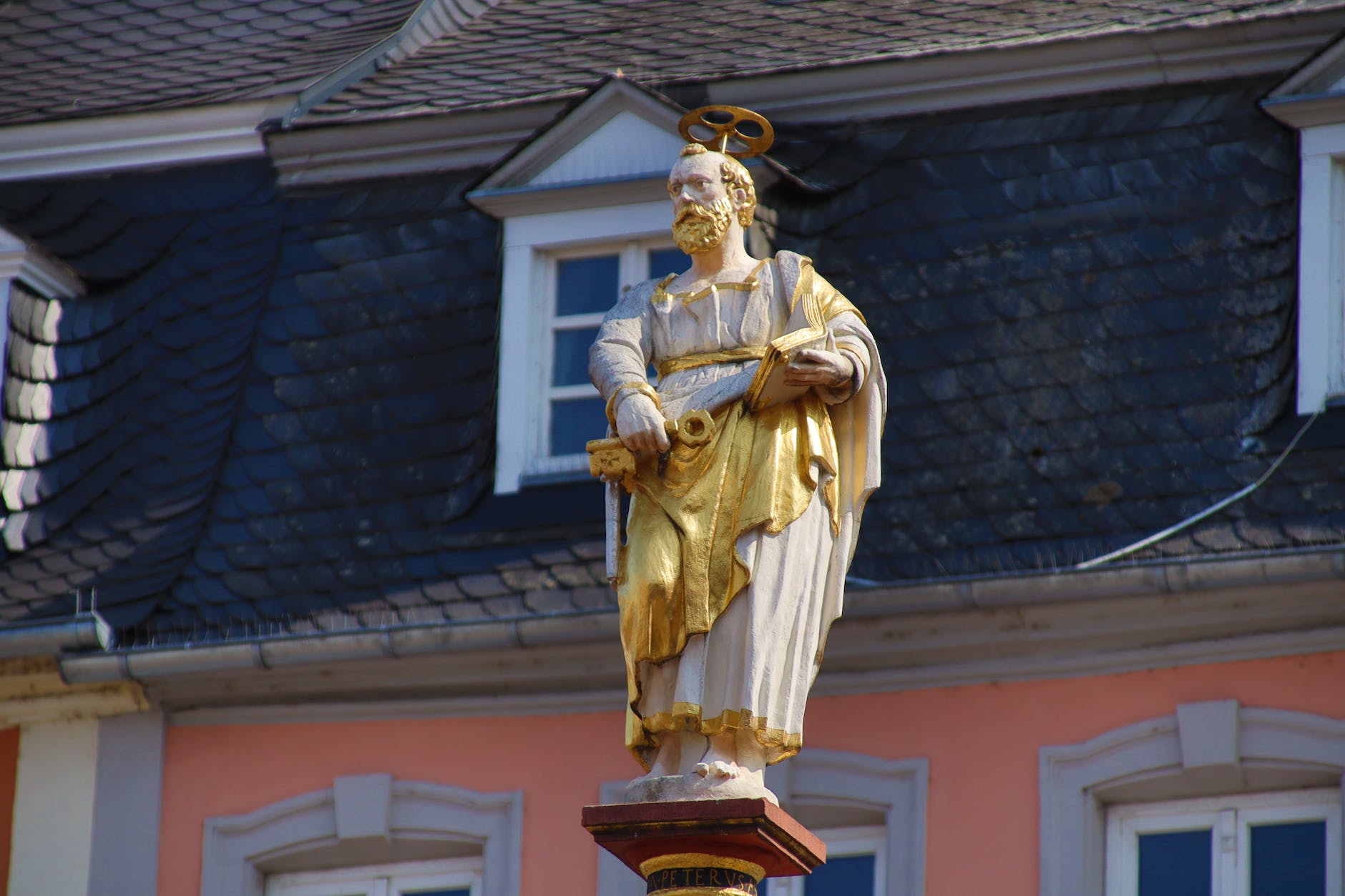
In Matthew 16, we read that in response to Peter’s confession that Jesus is “the Christ, the Son of the Living God” (Matthew 16:17), Jesus says:
And I tell you, you are Peter, and on this rock I will build my church, and the gates of hell shall not prevail against it. I will give you the keys of the kingdom of heaven, and whatever you bind on earth shall be bound in heaven, and whatever you loose on earth shall be loosed in heaven.”
Matthew 16:18-19
These verses have been used by the Roman Catholic Church to support the concepts of papal authority and papal succession, suggesting that Peter’s successors hold the keys of the kingdom.
But is this correct?
What was Jesus speaking about when he said “on this rock I will build my church”? And what are the “keys of the kingdom”?
In a recent Sermon Extra video, Pastor Mike and I discussed this topic. Here are some highlights, and then you can see the full video below.
What was Jesus speaking about when he said “on this rock I will build my church”?
There are 3 possible options:
Jesus is speaking about Peter as the first leader of the church
Jesus is referring to Peter’s confession that Jesus is the Christ (Messiah) and the Son of the Living God (deity)
Jesus is referring to himself as the rock (cornerstone) upon which the church is based
The strength of the first view (that Jesus is speaking about Peter) is the fact that Peter’s name means “stone.” So, perhaps Jesus is speaking about Peter through a play on words.
However, when Peter himself writes his first epistle (1 Peter), he writes that we who are believers are like living stones which are being built together into a spiritual house (temple), with Jesus Christ as the cornerstone. In Paul’s letter to the Ephesians, he says that we who are believers are members of the household of God, which is built on the foundation of the apostles and prophets, with Jesus Christ as the cornerstone (Ephesians 2:20).
When John (who was present when Jesus said those words recorded in Matthew 16) wrote his gospel, he made this statement his grand culmination:
Now Jesus did many other signs in the presence of the disciples, which are not written in this book; but these are written so that you may believe that Jesus is the Christ, the Son of God, and that by believing you may have life in his name.
John 20:30-31
It’s surprising just how similar John’s words are to Peter’s statement: that Jesus is the Christ, the Son of the living God. John says that this is the way to receive eternal life. So, is this confession of Jesus as Messiah and God the foundation of the church?
Here’s the thing: even if it is referring to Peter, and Jesus was giving Peter a position of primacy of leadership in the early church, it does not necessarily follow that Peter’s primacy of leadership would then be handed down in succession to whoever held his position in the future. This is especially true, since Peter’s position changed over the course of time in the early days of Christianity. Early on, we see Peter as a leader in the church in Jerusalem, but eventually he left Jerusalem. He eventually died in Rome, but the church in Rome was not started by him.
The idea of papal succession is quite a leap from this verse, and it has significant historical issues with it as well, as I explain in the video linked below.
What are the “Keys of the Kingdom”?
Keys are something which open doors and close doors. Did Jesus give these keys specifically to Peter, or were they given to Christian leaders in general, or even to believers in general?
If they were given to Peter, it is worth noting that Peter is the one who opened the doors to salvation through Jesus first to the Jews on the Day of Pentecost (Acts 2), then to the Samaritans (Acts 8), and then to the Gentiles (Acts 10-11).
It is certainly significant that the exact phrase that is used in Jesus’ statement in Matthew 16 about the keys of the kingdom: “whatever you bind on earth shall be bound in heaven, and whatever you loose on earth shall be loosed in heaven” is used again by Jesus only two chapters later in Matthew 18, when he is talking about how to deal with a fellow believer who has sinned against you.
There, after explaining the protocol for dealing with these situations, he says:
“Truly, I say to you, whatever you bind on earth shall be bound in heaven, and whatever you loose on earth shall be loosed in heaven. Again I say to you, if two of you agree on earth about anything they ask, it will be done for them by my Father in heaven. For where two or three are gathered in my name, there am I among them.”
Matthew 18:18-20
This is spoken to all of Jesus’ disciples, not just Peter, but the final statements seem to make it clear that this statement applies to all believers who gather in Jesus’ name.
Here’s the video in which we discuss this in a bit more detail, especially in regard to this historical development of interpretation within the Catholic, Orthodox, and Protestant churches:
On this episode of the Theology for the People podcast, Michael Payne and I discuss what is at stake in regard to Jesus’ resurrection, as well as some alternative explanations for Jesus’ missing body that have been proposed. Finally, we share some of the strongest evidences for why Christians believe that Jesus did in fact rise from the grave.
In this episode, Nick Cady and Michael Payne discuss what is at stake in regard to Jesus' resurrection, as well as some alternative explanations for Jesus' missing body that have been proposed. Finally, they share some of the strongest evidences for why Christians believe that Jesus did in fact rise from the grave.
For more from Nick and Mike, check out the White Fields Church Podcast, whitefieldschurch.com, or the White Fields YouTube channel.
Make sure to visit the Theology for the People blog at nickcady.org for more articles and content.
Shane Angland is a teaching elder at Ennis Evangelical Church in County Clare, Ireland. He is a graduate of Dallas Theological Seminary (Th.M.) and holds a B.A. in History and Politics from the University of Limerick. Shane also served for several years as a missionary in Kharkiv, Ukraine.
On this episode of the Theology for the People podcast, Shane shares some of his research about the Irish monastic approach to Bible study in the “Dark Ages” and what made it unique, as well as what we today can learn from their practices.
Bible Study in the Dark Ages: The Irish Monastic Approach and What It Can Teach Us Today – with Shane Angland –
Theology for the People
Shane Angland is a teaching elder at Ennis Evangelical Church in County Clare, Ireland. He is a graduate of Dallas Theological Seminary (Th.M.) and holds a BA in History and Politics from the University of Limerick. Shane also served for several years as a missionary in Kharkiv, Ukraine.
On this episode, Shane shares some of his research about the Irish monastic approach to Bible study in the "Dark Ages" and what made it unique, as well as what we today can learn from their practices.
Check out Shane's blog here: http://anglandicus.blogspot.com/
Visit the Theology for the People blog at nickcady.org, where you can read articles and suggest topics for future episodes.
Earlier this month, I travelled to Hungary and Ukraine with a small team of pastors and leaders to put on a retreat for Ukrainian leaders who have been involved in providing aid over the past year since the full-scale invasion of their country.
On the way, I had the opportunity to visit some friends in Hungary, including my friend László (Laci), who pastors in Budapest.
In addition to pastoring a local church, he leads a ministry which helps those caught in human trafficking to escape prostitution and experience lasting freedom.
The south side of Budapest, where Laci ministers, is a working class area, known for high levels of crime and prostitution.
While I was in town, I had the opportunity to sit down with Laci to discuss we discuss the theological foundations for “mercy ministries” and how Laci got involved in practical ministry to the poor and oppressed.
Applied Theology: Ministering to Victims of Human Trafficking in Budapest, Hungary – The Theological Foundations of "Mercy Ministry" –
Theology for the People
László (Laci) is a pastor in Budapest, Hungary. In addition to pastoring a local church, he leads a ministry which helps those caught in human trafficking to escape prostitution and experience lasting freedom.
The south side of Budapest, where Laci ministers, is a working class area, known for high levels of crime and prostitution.
In this episode, we discuss the theological foundations for "mercy ministries" and how Laci got involved in practical ministry to the poor and oppressed.
For more information, visit: Servants Anonymous Foundation