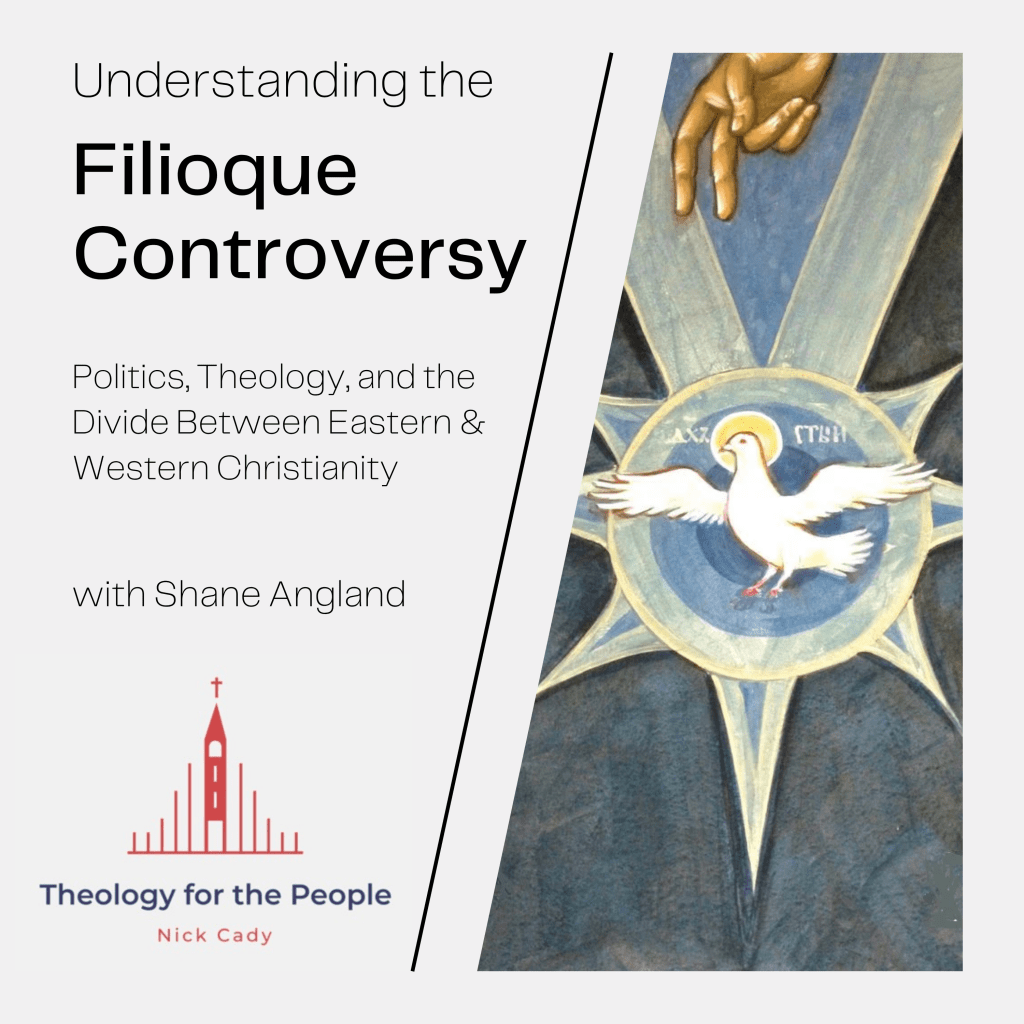
Understanding the Filioque Controversy: Politics, Theology, and the Divide Between Eastern & Western Christianity

What does it mean that the Holy Spirit “proceeds from the Father” — and why did adding “and the Son” (Filioque), lead to one of the greatest divisions in church history?

I recently wrote two articles; one on the question of what it means that Jesus is the “begotten” Son of God, and the other on what it means that the Holy Spirit “proceeds” from the Father (and maybe the Son!). You can find those articles here:

These questions have to do what theologians call the “Eternal Generation” (of the Son) and the “Eternal Procession” (of the Holy Spirit). The question of the Holy Spirit gets into one of the fiercest theological debates in history; one which played a major role in the division between Eastern and Western Christianity (Orthodox vs. Roman Catholic).

In this episode of the Theology for the People Podcast, I speak with Shane Angland to unpack the history, theology, and ongoing significance of the Filioque controversy.

Together, we explore the origins of the Nicene Creed, the debates at the Council of Constantinople (381), and why the Western church added the Filioque clause.

We also discuss:
• The difference between eternal procession and the mission of the Spirit
• Why the East and West approach theology differently
• The role of language (Greek vs. Latin) in shaping doctrine
• How politics—not just theology—deepened the divide
• Whether this issue still matters for Christians today

If you’ve ever wondered why theology can get so complex—or why it actually matters—this episode will help you see that these debates aren’t just academic, they’re about faithfully understanding who God is.

Watch or Listen to the Episode Here:

Follow Theology for the People on YouTube⁠https://www.youtube.com/@theologyforthepeople

Click here to listen to the episode, or listen in the embedded player below.

Understanding the Filioque Controversy – with Shane Angland Theology for the People

What does it mean that the Holy Spirit “proceeds from the Father” — and why did adding “and the Son” (Filioque), lead to one of the greatest divisions in church history?In this episode of Theology for the People, Nick Cady is joined by Shane Angland to unpack the history, theology, and ongoing significance of the Filioque controversy. Together, they explore the origins of the Nicene Creed, the debates at the Council of Constantinople (381), and why the Western church added the Filioque clause.They also discuss:The difference between eternal procession and the mission of the SpiritWhy the East and West approach theology differentlyThe role of language (Greek vs. Latin) in shaping doctrineHow politics—not just theology—deepened the divideWhether this issue still matters for Christians todayIf you’ve ever wondered why theology can get so complex—or why it actually matters—this episode will help you see that these debates aren’t just academic, they’re about faithfully understanding who God is.Visit the Theology for the People blog at nickcady.org

Watch on YouTube here:

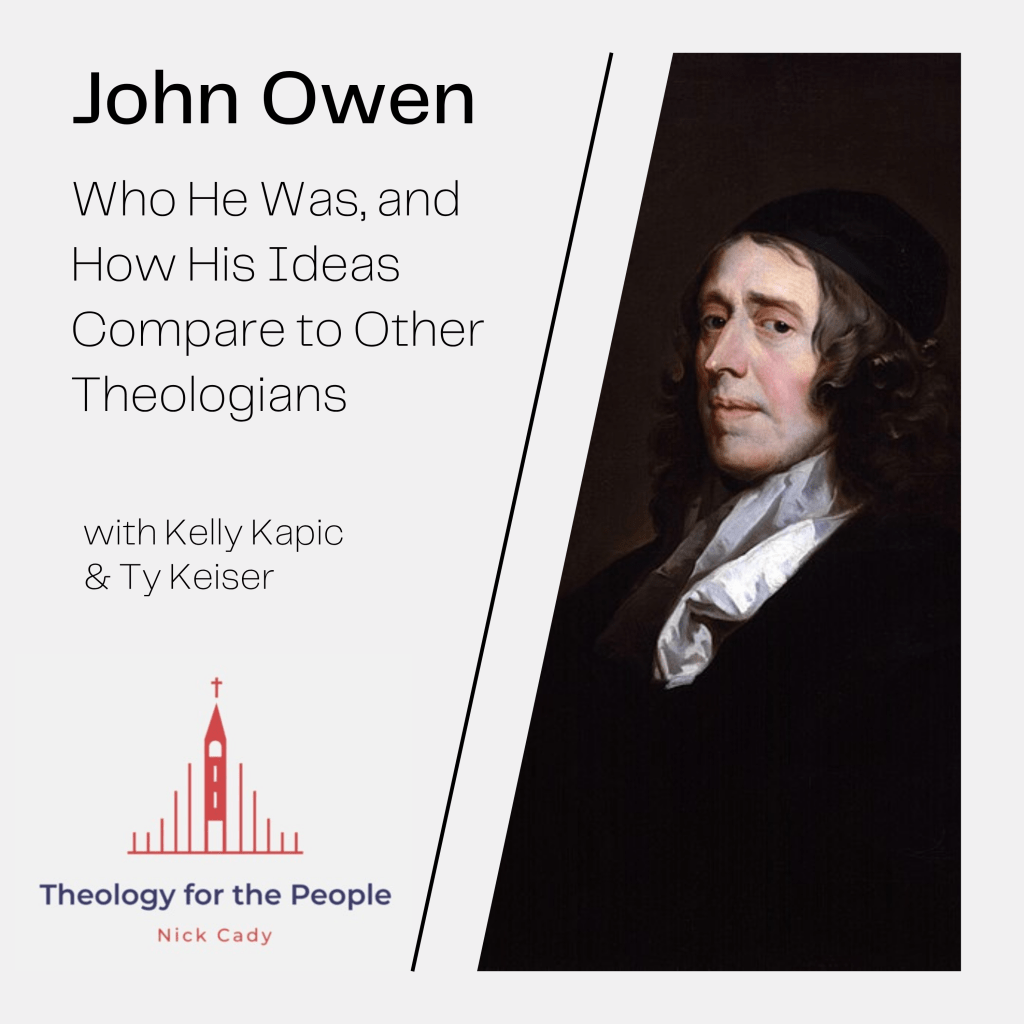
John Owen: Who He Was and How His Ideas Compare to Other Theologians

What happens when we read a theologian like John Owen alongside voices from across church history?

In this episode of the Theology for the People Podcast, I speak with Kelly Kapic and Ty Kieser, theologians and authors of Owen Among the Theologians: Conversations Across the Christian Tradition.

In this conversation, we explore:
• Why theology is best done in conversation, not isolation
• How John Owen interacts with figures like Bernard of Clairvaux and Karl Barth
• Whether the Song of Songs should be read as a love poem, an allegory of Christ, or both
• Karl Barth’s radically Christ-centered theology—and why it both attracts and unsettles evangelicals
• How engaging other traditions can deepen our understanding of Scripture

Ty and Kelly argue that faithful theology requires both conviction and humility: learning from the broader Christian tradition while remaining rooted in the authority of Scripture.

If you’ve ever wondered how to engage theological voices outside your tradition without compromising your convictions, this episode will help you think more deeply and faithfully.

Watch or Listen to the Episode Here:

Follow Theology for the People on YouTube⁠https://www.youtube.com/@theologyforthepeople

Click here to listen to the episode, or listen in the embedded player below.

John Owen: Who He Was & How His Ideas Compare to Other Theologians Theology for the People

What happens when we read a theologian like John Owen alongside voices from across church history?In this episode of Theology for the People, Nick Cady interviews Kelly Kapic and Ty Kieser, authors of Owen Among the Theologians: Conversations Across the Christian Tradition.In this conversation, we explore:Why theology is best done in conversation, not isolationHow John Owen interacts with figures like Bernard of Clairvaux and Karl BarthWhether the Song of Songs should be read as a love poem, an allegory of Christ, or bothKarl Barth’s radically Christ-centered theology—and why it both attracts and unsettles evangelicalsHow engaging other traditions can deepen our understanding of ScriptureKapic and Kieser argue that faithful theology requires both conviction and humility: learning from the broader Christian tradition while remaining rooted in the authority of Scripture.If you’ve ever wondered how to engage theological voices outside your tradition without compromising your convictions, this episode will help you think more deeply and faithfully.

Watch on YouTube here:

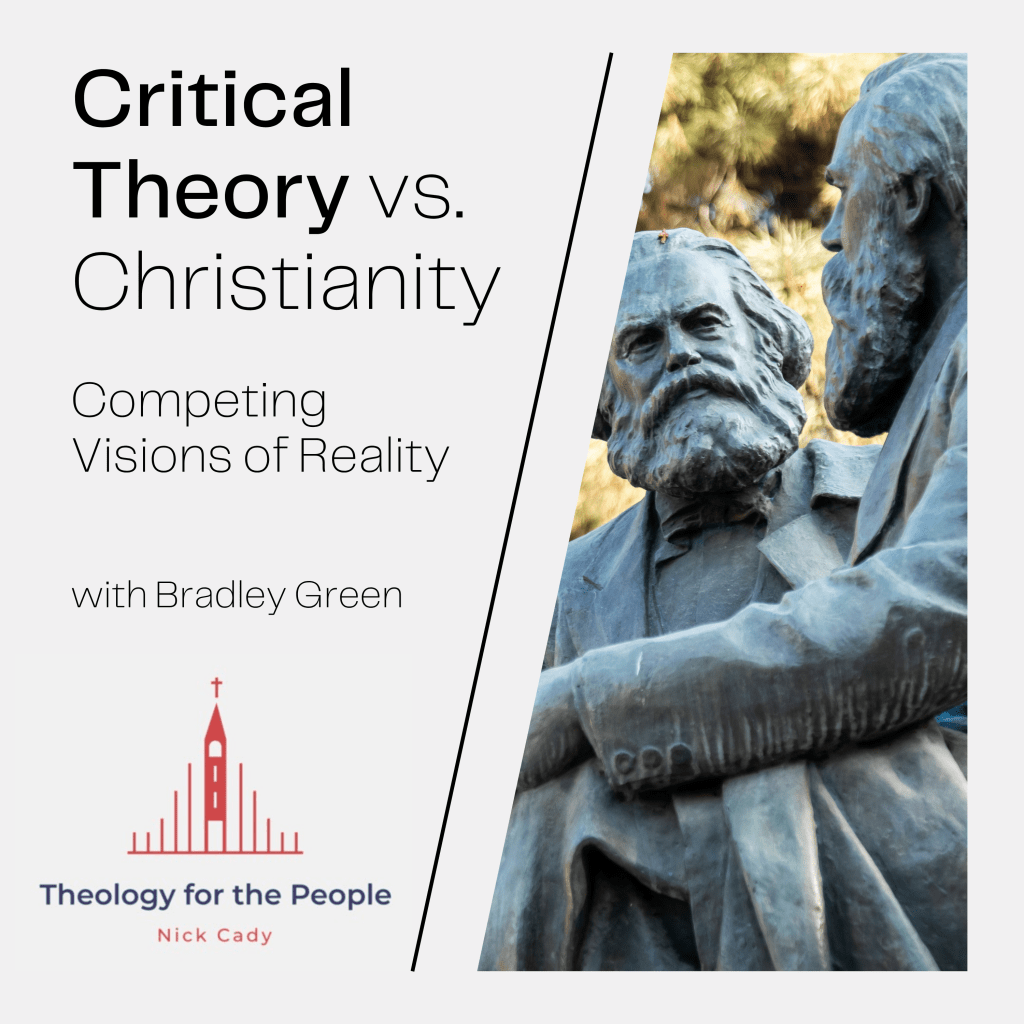
Critical Theory vs. Christianity: Competing Visions of Reality

In this episode of the Theology for the People Podcast, I speak with theologian and professor Bradley Green to unpack one of the most commonly mentioned but rarely understood ideas in today’s cultural moment: critical theory.

Many people have heard of critical race theory—but Green explains that critical theory is actually a much older and broader worldview rooted in Marxist thought and developed by the Frankfurt School. More than just a social theory, Green argues that critical theory functions as a kind of alternative theology—with its own views of reality, sin, and redemption.

In this conversation, you’ll learn:
• The distinction between critical theory as a whole, and critical race theory specifically
• How Marxism evolved from economics into cultural Marxism
• Why critical theory focuses on oppression and liberation
• What Green means by calling critical theory a “Christian heresy”
• How critical theory borrows from—and distorts—biblical categories like creation, sin, and redemption
• Why institutions like family and church are viewed as oppressive within this framework
• What Christians can affirm, critique, and learn from critical theory
• Why the gospel offers a better and more complete answer

Bradley also highlights an important insight: while critical theory correctly identifies that something is wrong in the world, it ultimately misdiagnoses the root problem—and therefore offers a flawed solution.

If you’ve ever wondered how to think clearly—and biblically—about critical theory, this episode will give you helpful categories and clarity.

Watch or Listen to the Episode Here:

Follow Theology for the People on YouTube⁠https://www.youtube.com/@theologyforthepeople

Click here to listen to the episode, or listen in the embedded player below.

Critical Theory vs. Christianity: Competing Visions of Reality Theology for the People

In this episode of Theology for the People, Nick Cady sits down with theologian and professor Bradley Green to unpack one of the most commonly mentioned but rarely understood ideas in today’s cultural moment: critical theory.Many people have heard of critical race theory—but Green explains that critical theory is actually a much older and broader worldview rooted in Marxist thought and developed by the Frankfurt School. More than just a social theory, Green argues that critical theory functions as a kind of alternative theology—with its own views of reality, sin, and redemption.In this conversation, you’ll learn:The distinction between critical theory as a whole, and critical race theory specificallyHow Marxism evolved from economics into cultural MarxismWhy critical theory focuses on oppression and liberationWhat Green means by calling critical theory a “Christian heresy”How critical theory borrows from—and distorts—biblical categories like creation, sin, and redemptionWhy institutions like family and church are viewed as oppressive within this frameworkWhat Christians can affirm, critique, and learn from critical theoryWhy the gospel offers a better and more complete answerGreen also highlights an important insight: while critical theory correctly identifies that something is wrong in the world, it ultimately misdiagnoses the root problem—and therefore offers a flawed solution.If you’ve ever wondered how to think clearly—and biblically—about critical theory, this episode will give you helpful categories and clarity.

Watch on YouTube here:

How Repentance Transforms Your Life and Relationships

What if repentance isn’t something to dread, but something to celebrate?

In this episode of the Theology for the People Podcast, I speak with author and pastor Chris Brauns to talk about his new book The Way of Repentance: Embracing God’s Gift for a Transformed Life.

For many people, the word “repentance” seems negative, but the Bible presents repentance not as a burden, but as a gift that leads to life, freedom, and joy.

In this episode we explore:

  • The difference between worldly sorrow and true repentance
  • How repentance is both grief and joy at the same time
  • Why repentance is a gift that God gives
  • How to get out of a rut when you feel stuck in cycles of sin
  • What repentance looks like in everyday life
  • How repentance transforms our relationships and character

We also discuss powerful biblical examples—from the prodigal son to Judah—and how repentance is not just the way into the Christian life, but the way we continue walking with Jesus.

If you’ve ever struggled with guilt, felt stuck in sin, or misunderstood repentance, this conversation will help you see it as a pathway to deeper joy in Christ.

Watch or Listen to the Episode Here:

Follow Theology for the People on YouTube⁠https://www.youtube.com/@theologyforthepeople

Click here to listen to the episode, or listen in the embedded player below.

How Repentance Transforms Your Life and Relationships Theology for the People

What if repentance isn’t something to dread—but something to celebrate?In this episode of Theology for the People, host Nick Cady sits down with author and pastor Chris Brauns to talk about his new book The Way of Repentance: Embracing God’s Gift for a Transformed Life.For many people, the word “repentance” seems negative, but the Bible presents repentance not as a burden, but as a gift that leads to life, freedom, and joy.In this episode we explore:The difference between worldly sorrow and true repentanceHow repentance is both grief and joy at the same timeWhy repentance is a gift that God givesHow to get out of a rut when you feel stuck in cycles of sinWhat repentance looks like in everyday lifeHow repentance transforms our relationships and characterWe also discuss powerful biblical examples—from the prodigal son to Judah—and how repentance is not just the way into the Christian life, but the way we continue walking with Jesus.👉 If you’ve ever struggled with guilt, felt stuck in sin, or misunderstood repentance, this conversation will help you see it as a pathway to deeper joy in Christ.

This episode is audio only for the safety of the people to whom Matt ministers, but the audio can be found on YouTube here:

Worship and Music: Nine Healthy Biblical Tensions – with Michael Payne

In this episode of the Theology for the People Podcast, I speak with Michael Payne, Worship Pastor at White Fields Community Church, to talk about what makes worship in the church both biblical and healthy.

Drawing from the insights of Worship Matters by Bob Kauflin, they explore 9 essential tensions that every church must navigate when it comes to worship and music.

What does it look like to be:

  • Spirit-led and Scripture-rooted?
  • Emotionally expressive and doctrinally grounded?
  • Skilled and sincere?

Rather than choosing one side or the other, healthy worship holds these tensions together in a way that honors God and serves the church.

Whether you’re a pastor, worship leader, musician, or church member, this conversation will help you think more clearly about what worship is—and what it’s for.

👉 Topics include:

  • The purpose of music in gathered worship
  • Balancing excellence and authenticity
  • Choosing songs that shape theology
  • Leading people, not just performing for them
  • Why tension is not a problem—but a necessity

If you care about Christ-centered, congregational worship, this episode is for you.

Watch or Listen to the Episode Here:

Follow Theology for the People on YouTube⁠https://www.youtube.com/@theologyforthepeople

Click here to listen to the episode, or listen in the embedded player below.

Worship and Music: Nine Healthy Biblical Tensions Theology for the People

In this episode of Theology for the People, host Nick Cady sits down with Michael Payne, Worship Pastor at White Fields Community Church, to talk about what makes worship in the church both biblical and healthy.Drawing from the insights of "Worship Matters" by Bob Kauflin, they explore 9 essential tensions that every church must navigate when it comes to worship and music.What does it look like to be:Spirit-led and Scripture-rooted?Emotionally expressive and doctrinally grounded?Skilled and sincere?Rather than choosing one side or the other, healthy worship holds these tensions together in a way that honors God and serves the church.Whether you're a pastor, worship leader, musician, or church member, this conversation will help you think more clearly about what worship is—and what it’s for.👉 Topics include:The purpose of music in gathered worshipBalancing excellence and authenticityChoosing songs that shape theologyLeading people, not just performing for themWhy tension is not a problem—but a necessityIf you care about Christ-centered, congregational worship, this episode is for you.

This episode is audio only for the safety of the people to whom Matt ministers, but the audio can be found on YouTube here:

Church Planting in a Muslim Context: Persecution & Perseverance

What does persecution actually look like in the places where the gospel is least known? And how should Christians think about persecution in relation to missions?

In this episode of the Theology for the People Podcast, I speak with Matt Rhodes. Matt is a missionary and author, who has been serving for 15 years as a church planter in North Africa among a Muslim-majority tribals communities. Matt shares stories from the field and discusses the central thesis of his book Persecution and Missions: A Practical Theology.

One of Matt’s key insights is that persecution is not merely an occasional obstacle to mission—it is often a structural reality in places where the gospel is advancing. In many communities, the greatest barrier to faith in Christ isn’t intellectual objections but the social and familial cost of conversion. Whereas many people espouse the benefits that persecution has on the church, Matt points out that the threat of persecution does keep many from even considering the claims of Christ out of fear of reprisal.

In this episode Matt and I discuss:

  • Why persecution often prevents people from even exploring Christianity
  • The immense social cost faced by converts from Muslim backgrounds
  • Common mistakes Western missionaries make when discipling persecuted believers
  • The tension between contextualization and compromise in missions
  • How the New Testament frames persecution through the lens of the Exodus and the Promised Land
  • Why missionaries must be honest about the cost of following Jesus
  • The dangers of wealth, financial incentives, and dependency in missions

Matt also shares practical wisdom from his experience serving in a village context in North Africa and offers specific ways listeners can pray for believers who face intense pressure for their faith.

This conversation offers an important reminder: following Jesus has always come with a cost—but the hope of resurrection and eternal reward makes that cost worthwhile.

📘 Matt’s book: Persecution and Missions: A Practical Theology

Watch or Listen to the Episode Here:

Follow Theology for the People on YouTube⁠https://www.youtube.com/@theologyforthepeople

Click here to listen to the episode, or listen in the embedded player below.

Church Planting in a Muslim Context – with Matt Rhodes Theology for the People

What does persecution actually look like in the places where the gospel is least known? And how should Christians think about persecution in relation to missions?In this episode of Theology for the People, Nick Cady speaks with missionary and author Matt Rhodes about his 15 years serving as a church planter in North Africa among a Muslim-majority tribal community. Matt shares stories from the field and discusses the central thesis of his book Persecution and Missions: A Practical Theology.One of Matt’s key insights is that persecution is not merely an occasional obstacle to mission—it is often a structural reality in places where the gospel is advancing. In many communities, the greatest barrier to faith in Christ isn’t intellectual objections but the social and familial cost of conversion.Nick and Matt discuss:Why persecution often prevents people from even exploring ChristianityThe immense social cost faced by converts from Muslim backgroundsCommon mistakes Western missionaries make when discipling persecuted believersThe tension between contextualization and compromise in missionsHow the New Testament frames persecution through the lens of the Exodus and the Promised LandWhy missionaries must be honest about the cost of following JesusThe dangers of wealth, financial incentives, and dependency in missionsMatt also shares practical wisdom from his experience serving in a village context in North Africa and offers specific ways listeners can pray for believers who face intense pressure for their faith.This conversation offers an important reminder: following Jesus has always come with a cost—but the hope of resurrection and eternal reward makes that cost worthwhile.📘 Matt’s book: Persecution and Missions: A Practical Theology

This episode is audio only for the safety of the people to whom Matt ministers, but the audio can be found on YouTube here:

The Bible in Patristic Thought: Authority, Clarity, and the Rule of Faith

In this episode of the Theology for the People Podcast, I speak with Shane Angland to explore a question that I have thought about for a long time: Did the early church fathers view Scripture the way Protestants do today—or is the Protestant view of the Bible a Reformation novelty?

Shane and I walk through patristic theology and discuss how figures like Irenaeus, Athanasius, Chrysostom, Jerome, and Augustine spoke about the inspiration, authority, sufficiency, and clarity of Scripture. We also examine the “rule of faith” and whether it functioned like a controlling magisterium—or more like a summary of Scripture’s core teaching that guided interpretation.

Along the way, we discuss:

  • What “patristics” are, and where the patristic era generally begins and ends
  • Whether the fathers believed Scripture could contain errors
  • How early Christians handled difficult passages (textual issues, translation, and humility)
  • The unity of Scripture and the Christ-centered reading of the whole Bible
  • The Reformation’s claims about Sola Scriptura and the perspicuity (clarity) of Scripture
  • Augustine’s On Christian Doctrine and why it’s really about how to interpret the Bible
  • Whether the church creates Scripture’s authority or recognizes it
  • How medieval developments changed the relationship between Scripture and tradition

If you’ve ever wondered whether the Reformation recovered an earlier Christian approach to the Bible—or introduced something new—this conversation is for you.

Watch or Listen to the Episode Here:

Follow Theology for the People on YouTube⁠https://www.youtube.com/@theologyforthepeople

Click here to listen to the episode, or listen in the embedded player below.

The Bible in Patristic Thought: Authority, Clarity, and the Rule of Faith – with Shane Angland Theology for the People

In this episode of Theology for the People, Nick Cady is joined by recurring guest Shane Angland to explore the question: Did the early church fathers view Scripture the way Protestants do today—or is the Protestant view of the Bible a Reformation novelty?Nick and Shane walk through patristic theology and discuss how figures like Irenaeus, Athanasius, Chrysostom, Jerome, and Augustine spoke about the inspiration, authority, sufficiency, and clarity of Scripture. They also examine the “rule of faith” and whether it functioned like a controlling magisterium—or more like a summary of Scripture’s core teaching that guided interpretation.Along the way, they discuss:What “patristics” are, and where the patristic era generally begins and endsWhether the fathers believed Scripture could contain errorsHow early Christians handled difficult passages (textual issues, translation, and humility)The unity of Scripture and the Christ-centered reading of the whole BibleThe Reformation’s claims about sola Scriptura and the perspicuity (clarity) of ScriptureAugustine’s On Christian Doctrine and why it’s really about how to interpret the BibleWhether the church creates Scripture’s authority or recognizes itHow medieval developments changed the relationship between Scripture and traditionIf you’ve ever wondered whether the Reformation recovered an earlier Christian approach to the Bible—or introduced something new—this conversation is for you.

I have recently started posting more on the Theology for the People YouTube channel. You can watch this interview on video here:

The Seder Meal and How It Points to Jesus

In this episode of the Theology for the People Podcast, I speak with Bruce Zachary, founding and teaching pastor of Calvary Nexus in Camarillo, California, to explore the Passover Seder meal—what it is, why it matters, and how it points powerfully to Jesus the Messiah.

Bruce shares his story of growing up in an observant Jewish home and later coming to faith in Christ after visiting Calvary Chapel of Costa Mesa and encountering the Book of Hebrews.

From there, the conversation dives into the biblical foundation of Passover in Exodus 12, the symbolism of the Seder plate, the meaning of the afikomen, and the significance of the four cups from Exodus 6:6–7—especially the “cup of redemption” connected to Jesus’ words at the Last Supper.

We also discuss how Christians should approach the Seder respectfully, how it helps connect the Old and New Testaments, and why Passover is one of the richest pictures of God’s redemptive plan—from Exodus to the cross and beyond.

📍 Upcoming Event: Bruce will be leading a Passover Seder at White Fields Community Church in Longmont, Colorado on March 27, 2026. The event is open to the public. Register here.

More from Bruce: Messages and free resources, including several ebooks, are available at calvarynexus.org

Nick and Bruce help lead a global church planting network called Cultivate. Visit: cultivatechurchplanting.com

Watch or Listen to the Episode Here:

Follow Theology for the People on YouTube⁠https://www.youtube.com/@theologyforthepeople

Click here to listen to the episode, or listen in the embedded player below.

The Seder Meal and How It Points to Jesus – with Bruce Zachary Theology for the People

In this episode of Theology for the People, Nick Cady sits down with Bruce Zachary, founding and teaching pastor of Calvary Nexus (Camarillo, California), to explore the Passover Seder meal—what it is, why it matters, and how it points powerfully to Jesus the Messiah.Bruce shares his story of growing up in an observant Jewish home and later coming to faith in Christ after visiting Calvary Chapel of Costa Mesa and encountering the Book of Hebrews. From there, the conversation dives into the biblical foundation of Passover in Exodus 12, the symbolism of the Seder plate, the meaning of the afikomen, and the significance of the four cups from Exodus 6:6–7—especially the “cup of redemption” connected to Jesus’ words at the Last Supper.Nick and Bruce also discuss how Christians should approach the Seder respectfully, how it helps connect the Old and New Testaments, and why Passover is one of the richest pictures of God’s redemptive plan—from Exodus to the cross and beyond.📍 Upcoming Event: Bruce will be leading a Passover Seder at White Fields Community Church in Longmont, Colorado on March 27, 2026. The event is open to the public. Register here.More from Bruce: Messages and free resources, including several ebooks, are available at calvarynexus.orgNick and Bruce help lead a global church planting network called Cultivate. Visit: cultivatechurchplanting.com

I have recently started posting more on the Theology for the People YouTube channel. You can watch this interview on video here:

The Olivet Discourse: Jesus’ Most Debated Sermon – and Why It Matters

In this episode of the Theology for the People Podcast, I speak with Murray Smith of Christ College in Sydney, Australia about one of Jesus’ most debated teachings: the Olivet Discourse (Mark 13, Matthew 24-25, Luke 21).

Murray gives us his take on the state of evangelical Christianity in Australia, and then we turn to discussing Murray’s recent book: Jesus’ Speech on the Mount of Olives: a 12-Week Study, which is designed to help Christians read this passage with clarity and hope.

Murray lays out the three major interpretive approaches (preterist / futurist / “both-and”), he explains why “full preterism” is outside of orthodox Christian confession, and then he walks us through why he believes Jesus speaks about both the destruction of Jerusalem and the final return of Christ.

Additionally, we discuss:

  • Why this passage is so debated—and yet so important
  • How Jesus’ cosmic “signs” function as accompanying realities of His coming
  • What it means to “be ready” according to the parables in Matthew 24-25
  • Why healthy eschatology produces hope, urgency, discipleship, and mission

Though Murray and I have differences in how we interpret this passage, we both hope that studying it will help believers recover a living, formative, and practical hope in the return of Jesus.

Passages referenced: Mark 13; Matthew 24–25; Luke 21; Daniel 7; 1 Thessalonians 4; 2 Peter 3; Revelation 21–22

Links to my recent messages on the Olivet Discourse:

  1. ⁠The Great Tribulation & the King’s Return⁠
  2. ⁠Living Ready for Jesus’ Return⁠
  3. ⁠How to Prepare for the End of the World⁠
  4. ⁠What to Expect on Judgment Day

Follow Theology for the People on YouTube⁠https://www.youtube.com/@theologyforthepeople

Click here to listen to the episode, or listen in the embedded player below.

The Olivet Discourse: Jesus’ Most Debated Sermon, and Why It Matters – with Murray Smith Theology for the People

In this episode of Theology for the People, Nick Cady speaks with Murray Smith (Christ College, Sydney) to talk about one of Jesus’ most debated teachings: the Olivet Discourse (Mark 13, Matthew 24–25, Luke 21).Murray gives a candid snapshot of the state of evangelical Christianity in Australia, and from there, the conversation turns to Murray’s book Jesus’ Speech on the Mount of Olives, a 12-week study designed to help Christians read this passage with clarity and hope. Murray lays out the three major interpretive approaches (preterist / futurist / “both-and”), he explains why “full preterism” is outside orthodox Christian confession, and then walks us through why he believes Jesus speaks about both the destruction of Jerusalem and the final return of Christ.Nick and Murray also discuss:Why this passage is so debated—and yet so importantHow Jesus’ cosmic “signs” function as accompanying realities of His comingWhat it means to “be ready" according to the parables in Matthew 24–25Why healthy eschatology produces hope, urgency, discipleship, and missionThough Nick and Murray have differences in how they view this passage, they both hope that studying it will help believers recover a living, formative, practical hope in the return of Jesus.Passages referenced: Mark 13; Matthew 24–25; Luke 21; Daniel 7; 1 Thessalonians 4; 2 Peter 3; Revelation 21–22Links to Nick's recent messages on the Olivet Discourse:The Great Tribulation & the King's ReturnLiving Ready for Jesus' ReturnHow to Prepare for the End of the WorldWhat to Expect on Judgment Day

I have recently started posting more on the Theology for the People YouTube channel. You can watch this interview on video here:

Why Apprenticeship is the Truest Form of Discipleship – with Heath Hardesty

What does it really mean to be an apprentice of Jesus in a fragmented world?

In this episode of the Theology for the People Podcast, Pastor Heath Hardesty shares how his years as an apprentice plumber shaped his vision for discipleship and following Jesus.

Heath is originally from Longmont, Colorado, where I pastor, and he now serves as Lead Pastor of Valley Community Church (VCC) in Pleasanton, California.

Prior to moving to California, when Heath lived in Longmont, he worked as a plumber, training as an apprentice under his father, a master plumber. From his time as a plumbing apprentice, Heath has seen many parallels between apprenticeship and being a disciple of Jesus.

Heath is the author of a new book, which releases October 14, 2025, titled, All Things Together: How Apprenticeship to Jesus Is the Way of Flourishing in a Fragmented World.

In this episode, we discuss:
• Why apprenticeship is a better paradigm for following Jesus than “just” discipleship classes
• The four pillars of apprenticeship: union, abiding, obeying, and imaging
• How sin fragments our lives and how Jesus reintegrates us
• Practical spiritual practices for ordinary Tuesdays
• Why following Jesus is a fully embodied way of life—not just information in our heads

Whether you are feeling spiritually stagnant or longing for a more integrated faith, this conversation will challenge and encourage you.

Follow Theology for the People on YouTube⁠https://www.youtube.com/@theologyforthepeople

Click here to listen to the episode, or listen in the embedded player below.

Why Apprenticeship is the Truest Form of Discipleship – with Heath Hardesty Theology for the People

What does it really mean to be an apprentice of Jesus in a fragmented world? In this episode of Theology for the People, Pastor Heath Hardesty shares how his years as an apprentice plumber shaped his vision for discipleship and following Jesus.Heath is the Lead Pastor of Valley Community Church (VCC) in Pleasanton, California, and the author of the recent book, All Things Together: How Apprenticeship to Jesus Is the Way of Flourishing in a Fragmented World.In this episode, we discuss:Why apprenticeship is a better paradigm for following Jesus than “just” discipleship classesThe four pillars of apprenticeship: union, abiding, obeying, and imagingHow sin fragments our lives and how Jesus reintegrates usPractical spiritual practices for ordinary TuesdaysWhy following Jesus is a fully embodied way of life—not just information in our headsWhether you’re feeling spiritually stagnant or longing for a more integrated faith, this conversation will challenge and encourage you.📖 All Things Together releases October 14 and is available wherever books are sold.

I have recently started posting more on the Theology for the People YouTube channel. You can watch this interview on video here: