The Relationship Between Clergy & the Congregation + Study & the Spirit: with Dr. Roy Collins

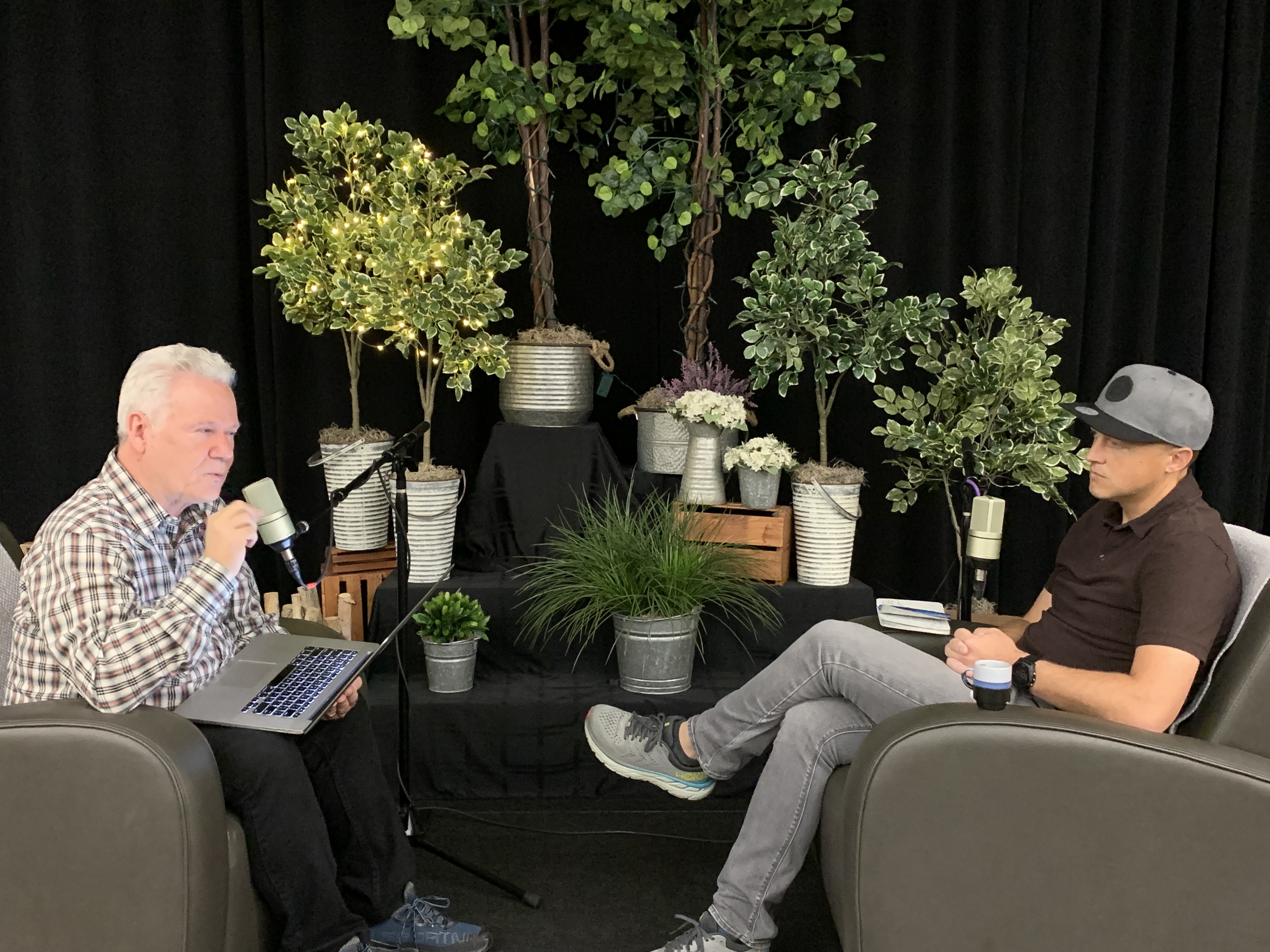
In this week’s episode of the Theology for the People podcast, I speak with Dr. Roy Collins about the relationship between clergy and the congregation, and study and the Spirit.

Dr. Collins is a returning guest on the podcast; his previous episode: Guidelines for Biblical Interpretation: Properly Understanding & Faithfully Applying God’s Word, has been one of the most popular episodes on the podcast. In that episode, Dr. Roy alluded to his bad experiences in ministry as a pastor, and I responded that we could talk about that in a later episode. Well, that “later episode” is here!

In this episode, we talk about some of our experiences as pastors, specifically in regard to training and support. What is the responsibility of someone who is called to ministry to study to show themselves approved, a workman who can rightly divide the Word of God (2 Timothy 2:15)? What responsibility does the congregation have towards the minister – for support and providing care and coaching?

We discuss these and other subjects in this episode.

Dr. Collins has served as a pastor and a professor of Biblical Interpretation at Colorado Christian University. He is a member of White Fields Community Church in Longmont, Colorado, where he teaches an adult Sunday School class at 8:00 AM on Sunday mornings.

We also explain and mention two initiatives I am involved in, which were designed to meet these needs:

  • Expositors Collective: a group of Christian leaders who are working together to raise up the next generation of Christ-centered Bible teachers and preachers, through our 2-day interactive seminars and our weekly podcast. Our next training seminar will be held in Costa Mesa, California, on February 18-19, 2022. If you’d like more information, and to register, go to expositorscollective.com
  • Cultivate Training Program: This is a relationally focused, local-church based training program which helps assess, train, and potentially deploy new church planters and missionaries.

Click here to listen to this episode, or listen in the embedded player below.

The Relationship Between Clergy & Congregation + Study & the Spirit – with Dr. Roy Collins Theology for the People

Dr. Roy Collins returns as a guest to the podcast to share his difficult experiences as a young pastor, and how they have led to the dual conclusions that a congregation has a responsibility to a pastor, both to train and to support them, and that a person in ministry has a responsibility to pursue ongoing training in order to stir up the gifts that God has placed within them, so they can serve people well.  In this episode, Dr. Collins speaks candidly about some of his experiences, and Nick shares some current training initiatives that can help provide support for the very areas which Dr. Collins addresses as being needs. For more information on these programs, visit: Expositors Collective Cultivate church planter training program Visit the Theology for the People website for more information and articles.

Adoption, the Gospel, & Practical Theology: with Nate Medlong – Podcast Season 2, Episode 1

In this first episode of Season 2 of the Theology for the People podcast, I speak with Nate Medlong, a missionary and pastor in Kharkiv, Ukraine, about adoption, the gospel, and practical theology.

Last year. I started this podcast really at the urging of two friends, Ocean and Aaron, who were, separate from each other, both encouraging me to start a podcast. I decided to give it a shot, and I’ve been amazed at the response to the podcast, as I’ve watched the analytics and how many people have been listening.

For Season 2, I’ve made some improvements, including new intro music by Dávid Payne. I plan on releasing episodes weekly, so please subscribe if you haven’t already.

In this first episode of the season, I speak with Nate Medlong about our personal experiences with adoption, how adoption is a picture of the gospel, and how practical theology actually is: the reason Christians practice adoption is because of our theology, but as we live out our theology in this or any other way, it causes us to grow in understanding and appreciation for the theological truths we believe.

This episode also includes a lot of jokes about Cleveland, and a hot take on Utah’s license plates. I hope you enjoy it!

Click here to listen, or listen in the embedded player below.
Adoption, the Gospel, and Practical Theology – with Nate Medlong Theology for the People

Nate Medlong is a pastor and missionary in Kharkiv, Ukraine. He and his wife Diana have fostered and adopted several children, and in this episode Nate and I discuss how adoption is a picture of the gospel. Not only is adoption a picture of the gospel, and the practice of adopting children is an outworking of the gospel, but we discuss how parenting adopted children helps a person to grow in their understanding of and appreciation for what God has done for us in Christ, by making us his children and adopting us into his family. Make sure to check out the Theology for the People website as well for more content.

Theology for the People Podcast – Season 2 Trailer & Preview

It’s been a minute since the last episode of the Theology for the People podcast dropped. That’s because I’m currently in the process of recording episodes for Season 2, which will be released over the next several months.

Listen to the Season 2 Trailer here:

Season 2 Trailer and Preview Theology for the People

It's been a minute since the last episode of the Theology for the People podcast dropped. That's because we're currently in the process of recording episodes for Season 2 which will be released over the next several months. Some of the topics we will be discussing this year include: How Adoption is a Picture of the Gospel Why the Ascension is More Important than You Might Think Did the Reformation Reach the East? Orthodox Churches and the Protestant Reformation The True Story of St. Patrick of Ireland What is Deconstruction, and How Should We Respond? And more! Also, stay tuned for more information about my upcoming book: I Could Never Believe In…: Responding to 9 of the Most Difficult Questions for Christianity. More information about the book and its release coming soon. Thanks for listening, and keep an eye on your podcast app for new episodes coming soon! If you'd like to suggest a topic for the podcast, you can do so here: https://nickcady.org/ask-a-question-or-suggest-a-topic/

Some of the topics we will be discussing this year include:

  • How Adoption is a Picture of the Gospel
  • Why the Ascension is More Important than You Might Think
  • Did the Reformation Reach the East? Orthodox Churches and the Protestant Reformation
  • The True Story of St. Patrick of Ireland
  • What is Deconstruction, and How Should We Respond?
  • And more!

Also, stay tuned for more information about my upcoming book: I Could Never Believe In…: Down-to-Earth Answers to Nine Tough Questions About God and the Bible. More information about the book and its release coming soon.

Thanks for listening, and keep an eye on your podcast app for new episodes coming soon!

If you’d like to suggest a topic for the podcast, you can do so here: Ask a Question or Suggest a Topic

Most Popular Articles & Podcast Episodes of 2021

On this last day of 2021, it’s nice to stop and reflect on the past year. While many tragedies took place over the course of our last trip around the sun, there is much to celebrate and reason to give thanks for God’s faithfulness.

Rebranding & a Podcast

This year, prompted by my friends at the Goodlion Podcast Network, this blog was rebranded from The Longmont Pastor to Theology for the People. Along with that came the introduction of the Theology for the People podcast.

Increased Readership

Readership of this site grew this year by 130% to over 100,000 page views.

Top 10 Articles from 2021

  1. Remembering Tom Stipe
    • On December 30, 2020 – my pastor, Tom Stipe passed away. He is sorely missed, but he left behind a legacy which will bear fruit for generations to come, particularly here on the Front Range of Colorado.
  2. Will God Remove the Holy Spirit from a Person Because of Disobedience?
  3. Reader Questions: Why Was Eli Judged for the Sins of His Sons?
  4. Did Jesus Heal a Centurion’s Same-Sex Partner?
  5. Was Jesus Racist? Why Did He Call a Gentile Woman a Dog?
  6. Why Did Jesus Say that “No One Has Ascended Into Heaven?” Did He Forget About Elijah?
  7. Reformation Day: Martin Luther, the Bible, & the Gospel
  8. Kay Smith & Should a Church Have a “Women’s Ministry”?
    • Kay Smith, the wife of Pastor Chuck Smith (the leader of the Calvary Chapel movement) passed away this year. She left behind an incredible legacy.
  9. What Does It Mean to be “Born Again”?
  10. Bible Translations: Translation Philosophy, Textual Criticism, & Source Documents

Top 5 Podcast episodes from 2021

For this first season of the Theology for the People podcast, I published 35 episodes. Here are the top 5:

  1. Theological Method: Sources of Theology and Why People Arrive at Different Conclusions About Matters of Faith and the Bible
  2. The Formation of the New Testament Canon: Part 1 – Nicaea, Constantine, & Conspiracy Theories
  3. The Formation of the New Testament Canon: Part 2 – Recognition, Disputes & the Gospel of Thomas
  4. If “It’s All Gonna Burn” Then What’s the Point? – How the Resurrection Gives Meaning to Work & Art
  5. Biblical Interpretation with Dr. Roy Collins: Guidelines for Correctly Understanding & Faithfully Applying God’s Word

What to look forward to in 2022

  1. I will be publishing a book in the first quarter of 2022! It’s called I Could Never Believe in a God Who ______. More information to come soon!
  2. Season 2 of the Theology for the People podcast

What Did Jesus Mean When He Said “You Must Eat My Body and Drink My Blood”?

Currently playing episode

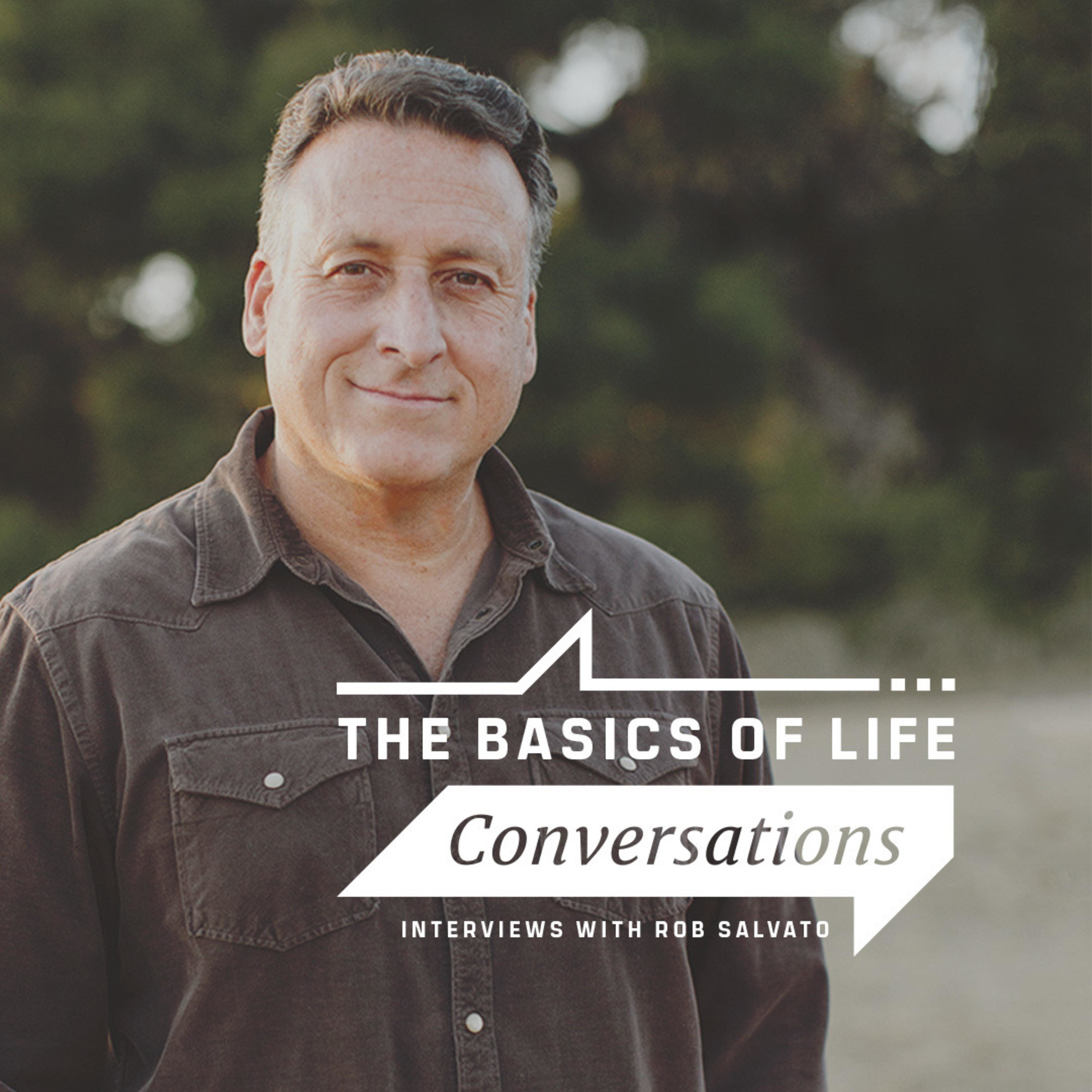
Recently I had the opportunity to be a guest on the Basics of Life Podcast with Rob Salvato.

The Basics of Life is not only Rob’s podcast, but the episodes are broadcast on KWVE Christian radio in Southern California.

Rob is currently doing a series on that podcast on “the hard sayings of Jesus,” and he asked me to tackle John 6:52-55, which says:

The Jews then disputed among themselves, saying, “How can this man give us his flesh to eat?” So Jesus said to them, “Truly, truly, I say to you, unless you eat the flesh of the Son of Man and drink his blood, you have no life in you. Whoever feeds on my flesh and drinks my blood has eternal life, and I will raise him up on the last day. For my flesh is true food, and my blood is true drink.

John 6:52-55

Not Cannibalism Nor Communion

When people originally heard Jesus say these words, they thought he was talking about cannibalism – but he most certainly wasn’t!

Many readers since that time have assumed that Jesus is talking about communion, i.e. the Lord’s Supper or Eucharist. This assumption is understandable in light of the fact that Jesus called the elements for the Lord’s Supper his “body” and “blood” – and yet, that is not what he is talking about here either.

What Jesus is talking about here can be understood by reading the passages which come before and after (context is king!). I share what Jesus is talking about in the conversation with Rob, which is linked below.

Why Be Cryptic?

And yet, even if it can clearly be derived from the context what Jesus was referring to, the question remains: Why did Jesus speak in a way that was cryptic or hard to understand? Didn’t he want people to understand what he was saying? Why would he speak in a way that people could misunderstand, and perhaps even choose to not follow him because of their misunderstanding?

I answer this question in the podcast episode linked below, but this is something we see Jesus did on more than one occasion! For example, we see this from Jesus in John 9 and Matthew 13, where Jesus speaks in a way that those who want to understand will lean in and seek to understand, but those who weren’t willing to lean in and seek the truth could misunderstand or easily miss.

Clearly Jesus is communicating that a desire to understand is a prerequisite for spiritual understanding.

Listen to the Episode Here

Listen to the episode in the embedded player below or by clicking this link: The Basics of Life Conversations: Nick Cady | Jesus said to “Drink His Blood”?

Nick Cady | Jesus said to "Drink His Blood"? The Basics of Life Conversations

Pastor Nick Cady joins Pastor Rob Salvato to talk about what Jesus meant when He thinned out the crowds after the feeding of the five thousand. 

Rob Salvato

Pastor Rob is the lead pastor of Calvary Vista, in San Diego County, California. Calvary Vista is my wife Rosemary’s home church, which sent her out as a missionary to Hungary years ago. Later, after Rosemary and I met in Hungary and got married, Calvary Vista became our home base and one of our main supporting churches. We love Rob and his wife Denise, and he has been a faithful pastor over that wonderful congregation for many years. Right now the church is experiencing a time of growth and a real move of God. Pray for them during this exciting time!

Missional Ecclesiology: What is the role of the church in the mission of God? – with Kellen Criswell

In this week’s episode of the Theology for the People Podcast, I am joined by Kellen Criswell.

Kellen Criswell is a pastor, ministry leader, and former missionary who holds and MA in Global Leadership from Western Seminary and is currently working on his doctorate. He is the Executive Director of Calvary Global Network and has a heart for the mission of God and the global church.

After a brief discussion about Kellen’s favorite music and the fact that he is from Utah (AKA “Colorado Jr.”), we dive into a discussion about Missional Ecclesiology, which is a way of understanding the identity, purpose, and function of the church within the Missio Dei (the love-motivated, self-sending, mission of God into the world to save, redeem, and restore).

One more thought about Utah: If you have to tell people (on your license plates) that you have “the best snow in the world,” you probably don’t. It’s kind of like using the world “Real” in a title. If you have to say that something is “real ______” – it probably isn’t. And also, what Margaret Thatcher said: “Being a leader is like being a lady: If you have to tell people you are one, you probably aren’t.” Same with the snow, Utah…

But I digress…

Ecclesiology is the discussion of what the Church is called to be and to do – including its nature, purpose, hopes, structures, and practices.

We discuss how this concept works out practically, including a discussion of “foreign missions” and how they fit into this understanding. Furthermore, we discuss what the past nearly two years of pandemic has revealed about ecclesiology, and why there is hope as we move forward.

Listen to this episode in the embedded player below or by clicking this link: Missional Ecclesiology: What is the role of the church in the mission of God? – with Kellen Criswell

Missional Ecclesiology: What is the role of the church in the mission of God? – with Kellen Criswell Theology for the People

Kellen Criswell is a pastor, ministry leader, and former missionary who holds and MA in Global Leadership from Western Seminary and is currently working on his doctorate. He is the Executive Director of Calvary Global Network and has a heart for the mission of God and the global church. In this episode we discuss Missional Ecclesiology, which is a way of understanding the identity, purpose, and function of the church within the Missio Dei (mission of God). Ecclesiology is the discussion of what the Church is called to be and to do – including its nature, purpose, hopes, structures, and practices.  We discuss how this concept works out practically, including a discussion of "foreign missions" and how they fit into this understanding. Furthermore, we discuss what the past nearly two years of pandemic has revealed about ecclesiology, and why there is hope as we move forward. Bibliography and recommended resources: Hirsch, Alan. The Forgotten Ways: Reactivating Apostolic Movements. Goheen, Michael. The Church and it’s Vocation: Leslie Newbigin’s Missionary Ecclesiology.  Stetzer, Ed. Planting Missional Churches: Your Guide to Starting Churches that Multiply. Newbigin, Leslie. The Gospel in a Pluralist Society.  Van Engen, Charles. Transforming Mission Theology.  Wright, Christopher J.H.. The Mission of God: Unlocking the Bible’s Grand Narrative. Bosch, David. Transforming Mission: Paradigm Shifts in Theology of Mission.  Hooker, Paul. "What is Missional Ecclesiology?"  Make sure to check out the Theology for the People blog at nickcady.org

Make sure to check out some of the books and papers listed below for more information and study on this topic.

  1. Hirsch, Alan. The Forgotten Ways: Reactivating Apostolic Movements.
  2. Goheen, Michael. The Church and it’s Vocation: Leslie Newbigin’s Missionary Ecclesiology.
  3. Stetzer, Ed. Planting Missional Churches: Your Guide to Starting Churches that Multiply.
  4. Newbigin, Leslie. The Gospel in a Pluralist Society.
  5. Van Engen, Charles. Transforming Mission Theology.
  6. Wright, Christopher J.H.. The Mission of God: Unlocking the Bible’s Grand Narrative.
  7. Bosch, David. Transforming Mission: Paradigm Shifts in Theology of Mission.
  8. Hooker, Paul. “What is Missional Ecclesiology?”

What Has Athens to Do with Jerusalem?: How Should Christians Relate to Ideas and Practices Which Originate Outside of Christianity?

In this episode of the Theology for the People Podcast, Michael and I discuss the topic about which I wrote my BA dissertation: How should Christians relate to ideas and practices in our culture and society which have their origin outside of Christianity?

Some good examples would be:

  • Can Christians practice yoga? (Origins in Hinduism)
  • How about martial arts?
  • What about Christmas? (December 25 was originally a pagan solstice festival which Christians “took over,” detached it from its pagan origins, and infused it with new meaning and made it all about Jesus)
  • What about psychology?
  • How about certain instruments, like drums?
  • What about rock music and electric guitars?

This discussion of how Christians should relate to ideas and practices which originate outside of Christianity can be traced all the way back to a historical argument between Tertullian and Justin Martyr, early Christian apologists and theologians, and can be summarized by Tertullian’s classic question: “What Has Athens to Do with Jerusalem?”

In this episode, Michael and I discuss the relevant principles from the Bible we should follow as guides in navigating these matters.

How does the redemptive narrative arc of Scripture affect how we relate to these practices? How about what Paul says about meat sacrificed to idols in 1 Corinthians 8-10 and Romans 14?

Check out our discussion in the embedded player below, or by clicking here: What Has Athens to Do with Jerusalem?: How Should Christians Relate to Ideas and Practices Which Originate Outside of Christianity?

What Has Athens to Do with Jerusalem?: How Should Christians Relate to Ideas and Practices Which Originate Outside of Christianity? Theology for the People

In this episode Nick Cady and Michael Payne speak about how Christians should relate to things which originate outside of Christianity, such as yoga, psychology, Christmas, drums, or rock music.  This discussion can be traced all the way back to a historical argument between Tertullian and Justin Martyr which can be summarized by Tertullian's classic question: "What Has Athens to Do with Jerusalem?" Visit the Theology for the People blog site at nickcady.org – where you can ask questions or submit suggestions for future episodes.

Navigating Issues of Christian Liberty without Legalism or Licentiousness – with David Guzik

Pastor and author David Guzik joined me on the Theology for the People podcast last week to discuss the topic of Christian liberty. 

How do we make sense of “gray areas,” things like drinking alcohol, tattoos, smoking tobacco, music choices, etc. about which some Christians have strong convictions that a Christian person should never engage in those things, whereas others feel that they can enjoy them in moderation without any conflict in their fidelity to following Jesus?

How do we honor one another without being held hostage by every person’s personal whims? David helps shed some light on these and other questions related to this topic in this episode.

David is the author of a free online commentary of the entire Bible, which can be found at EnduringWord.com, along with the audio and video archives of David’s teachings through most of the books of the Bible. Make sure to check out his weekly Q&A sessions on his YouTube Channel, Thursdays at 12:00 PM Pacific Time.

David and I serve together on the steering committee of the Expositors Collective, a group dedicated to raising up the next generation of Christ-centered expository preachers and Bible teachers through weekly podcast episodes, 2-day intensive seminars, and other resources. The next Expositors Collective in-person training weekend will be in Orange County, California on February 18-19, 2022. More information and registration available here.

If you would like to submit a question or suggest a topic for future articles or podcast episodes, you can do that here, by clicking the Ask a Question or Suggest a Topic button.

You can listen to this podcast episode in the embedded player below (for desktop users), or by clicking this link: Navigating Issues of Christian Liberty without Legalism or Licentiousness – with David Guzik

Navigating Issues of Christian Liberty without Legalism or Licentiousness – with David Guzik Theology for the People

Pastor and author David Guzik joins the podcast this week to talk about the topic of Christian liberty.  How do we make sense of "gray areas," things like drinking alcohol, tattoos, smoking tobacco, music choices, etc. about which some Christians have strong convictions that Christians should never do those things, whereas others feel that they can enjoy these things in moderation without any conflict with their fidelity to following Jesus? How do we honor one another without being held hostage by every person's personal whim? David helps shed some light on these and other questions related to this topic. David is the author of a free online commentary of the entire Bible which can be found at EnduringWord.com, along with the audio and video archives of David's teachings through books of the Bible. Make sure to check out his weekly Q&A sessions on his YouTube Channel, Thursdays at 12:00 PM Pacific. Visit the Theology for the People blog at nickcady.org, where you can submit questions or suggest topics for articles or future podcast episodes.

Gino Geraci on the Image of God & General vs. Specific Revelation

Last week Gino Geraci, nationally syndicated radio show host based in Littleton, Colorado, came up to record a few episodes for the Theology for the People podcast. Those episodes are available now, and links and descriptions for them can be found below.

Gino is the founding pastor of Calvary South Denver. He recently stepped down as Lead Pastor of that church, and his son Jon took over in that role. Gino now focuses his time on his daily radio show, Crosswalk with Gino Geraci, which can be heard on the Salem Radio Network.

Gino also works with one of my favorite online organizations: GotQuestions.org – a great internet resource based out of Colorado Springs that provides concise, biblical answers to the questions that people are asking about God and the Bible.

Check out these episodes, subscribe to the podcast, and share with others if you find this content helpful!

Episode 1: Imago Dei: What Does It Mean that We are Created in the “Image of God”?

In this episode, Gino and I speak about what it means when the Bible tells us that we, as human beings, have been created in the image of God (Imago Dei in Latin).

What are some of the implications of this doctrine as relates to the value of human life, and what would be the implications if this were not true?

Something I am concerned with is how Christianity, because of our belief in the Imago Dei, believes that people with disabilities have inherent dignity. There are other implications of this, which we explain and discuss in this episode.

Imago Dei: What Does It Mean that We are Created in the "Image of God"? – with Gino Geraci Theology for the People

Gino Geraci is a pastor, Bible teacher, and syndicated radio show host. He is the founding pastor of Calvary South Denver in Littleton, Colorado, from which he recently retired and is now focusing fully on his radio and online ministries. In this episode, Gino and Nick speak about what it means when the Bible tells us that we, as human beings, have been created in the image of God (Imago Dei in Latin). What are some of the implications of this doctrine as relates to the value of human life, and what would be the implications if this were not true? You can find Gino's teachings on his website: ginogeraci.com. His radio show can be heard here: Crosswalk with Gino Geraci, and make sure to check out the other ministry he works with: gotquestions.org

Episode 2: General vs. Specific Revelation: How Do We Know What We Know About God?

Is it true that “all truth is God’s truth”? What does it mean when the Bible talks about a “mystery” that has been revealed?

In this episode Gino and I discuss the topic of “revelation,” and the question of how we know what we know about God, including His will for us, our lives, and the world. 

In the previous episode, we talked about what it means that we are created in the “image of God” and what the implications would be if we were not created in God’s image. That discussion ended with a comment that the doctrine of the Imago Dei hinges on the question of revelation.

The Bible talks about two specific kinds of revelation: general and specific. In this episode we give some examples of each and answer questions like: “Does one have greater value than the other?” and “What are the benefits of each, and what, if any, limitations do these different forms of revelation carry?”

General vs. Specific Revelation: How Do We Know What We Know About God? – with Gino Geraci Theology for the People

Is it true that "all truth is God's truth"? What does it mean when the Bible talks about a "mystery" that has been revealed? This week Gino Geraci joins the podcast once again to discuss the topic of "revelation," and the question of how we know what we know about God, including His will for us, our lives, and the world.  The Bible talks about two specific kinds of revelation: general and specific. In this podcast we give some examples of each and answer questions like: Does one have greater value than the other? What are the benefits of each, and what, if any, limitations do these different forms of revelation carry? In last week's episode, we talked about what it means that we are created in the "image of God" and what the implications would be if we were not created in God's image. That discussion ended with a comment that the doctrine of the Imago Dei (Image of God) hinges on the question of revelation. In this episode we delve into that question.  Check out the Theology for the People blog, and find Pastor Nick's sermons on the White Fields Church podcast and whitefieldschurch.com 

Bible Translations: Translation Philosophy, Textual Criticism, & Source Documents

Shane Angland (MA Theology, Dallas Theological Seminary), joins the podcast this week to talk about Bible translations and what makes some translations better than others.

Shane is the lead preaching elder at Ennis Evangelical Church in Ennis, Ireland. A native of the west coast of Ireland, Shane served as a missionary in Ukraine with the International Fellowship of Evangelical Students, and later earned a Masters Degree from Dallas Theological Seminary, where the focus of his studies was on Textual Criticism.

In this episode, Shane explains what Textual Criticism is (and is not), and explains the important elements involved in Bible translation, such as translation philosophy and source documents. He also dispels some common misconceptions about Bible translations, such as that newer translations remove content from the Bible, or that they are less accurate than older translations.

Shane and I have some common friends in Ireland and Ukraine, and it was great getting to know him and listening to him share his knowledge on this subject.

See also the series of articles on Bible translation I posted here years ago:

  1. Making Sense of Different Bible Translations – Part 1
  2. Making Sense of Different Bible Translations – Part 2: the King James Bible
  3. Making Sense of Different Bible Translations – Part 3: Gender-Inclusive Language and the NIV

You can listen to this week’s episode by clicking this link, or by listening in the embedded player below: Making Sense of Bible Translations – with Shane Angland

Making Sense of Bible Translations – with Shane Angland Theology for the People

Shane Angland (MA Theology, Dallas Theological Seminary), joins the podcast to talk about Bible translations and what makes some translations better than others. Shane is the lead preaching elder at Ennis Evangelical Church in Ennis, Ireland. A native of the west coast of Ireland, Shane served as a missionary in Ukraine with the International Fellowship of Evangelical Students, and later earned a Masters Degree from Dallas Theological Seminary, where the focus of his studies was on Textual Criticism. In this episode, Shane explains what Textual Criticism is (and is not), and explains the important elements involved in Bible translation, such as translation philosophy and source documents. He also dispels some common misconceptions about Bible translations, such as that newer translations remove content from the Bible, or that they are less accurate than older translations. If you’ve benefited from this episode, please share it online, and leave a rating and review for this podcast in the Apple Podcast store. Also, visit the Theology for the People Blog at nickcady.org.