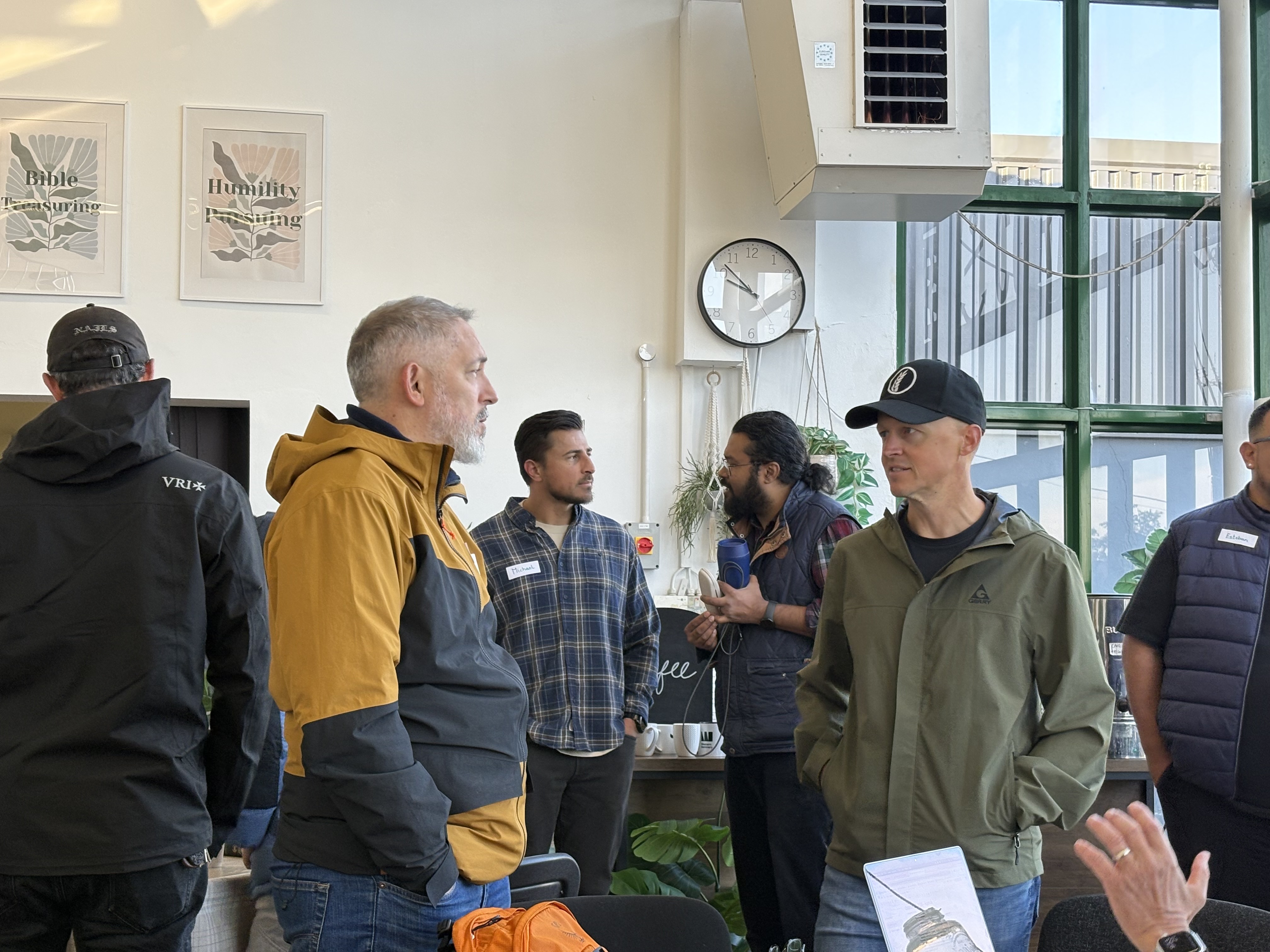
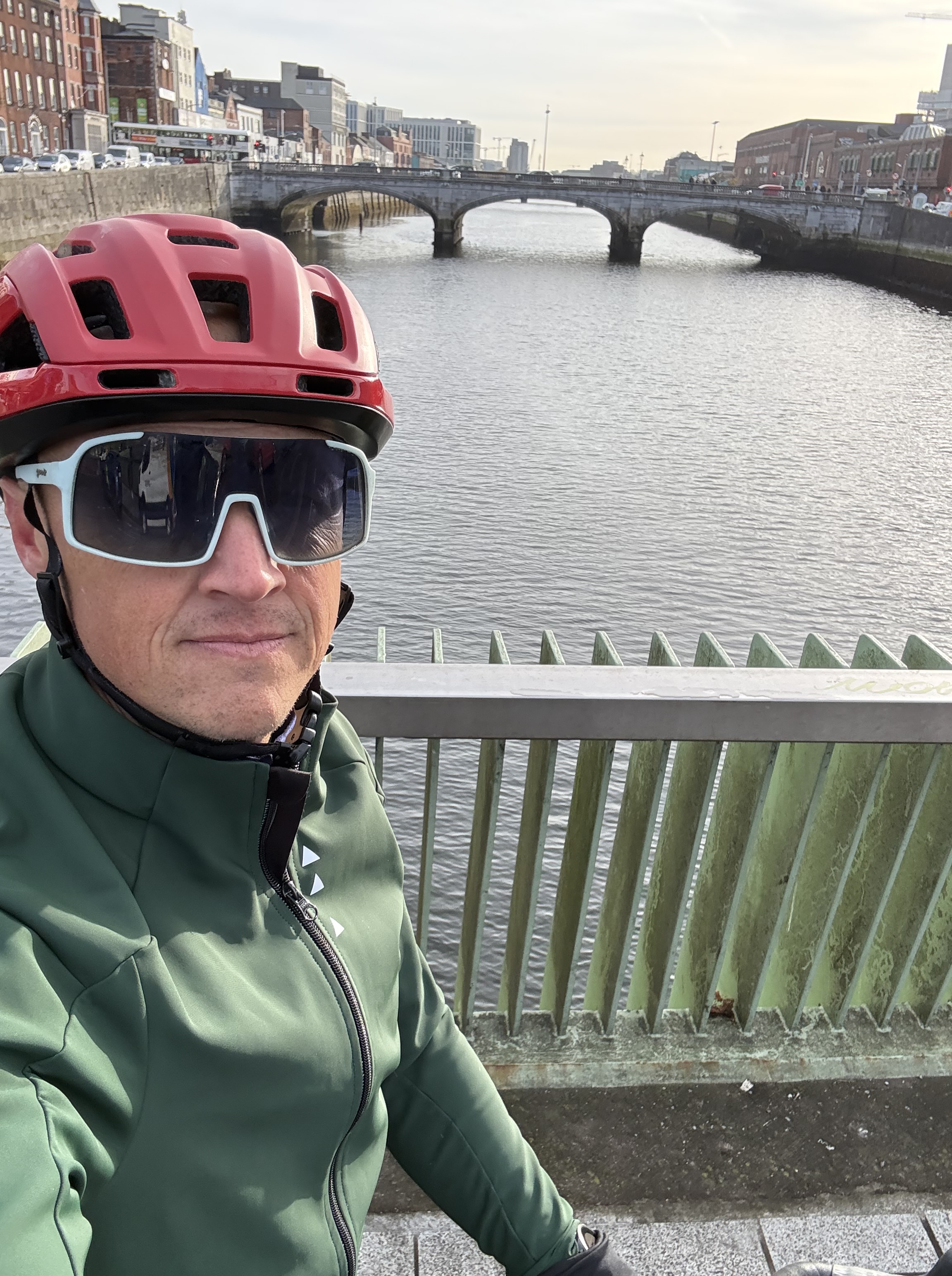
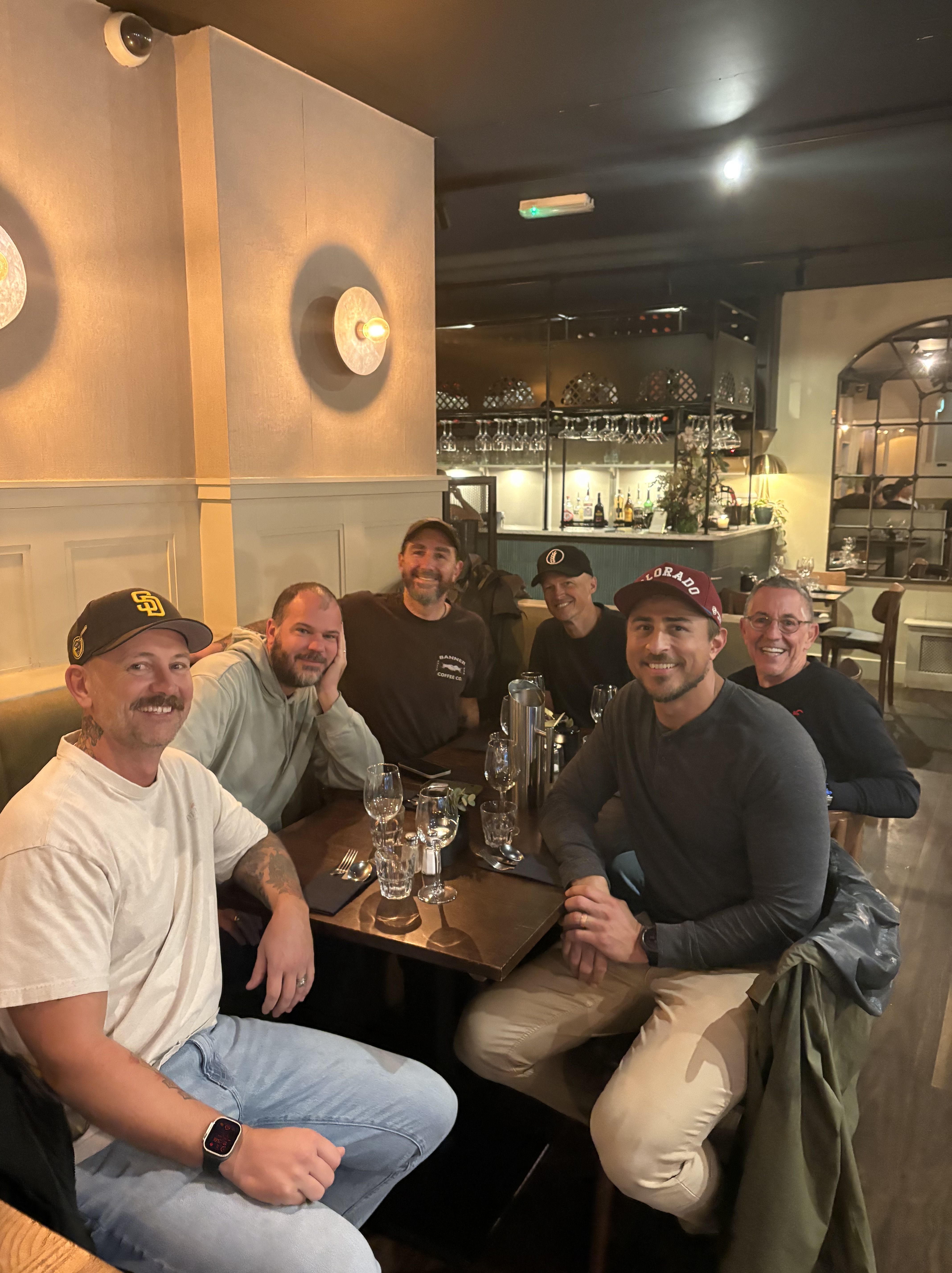
Recently I had the opportunity to travel to Cork, Ireland on a ministry trip with a few other pastors. Our friend Mike Neglia has been pastoring a great church called Calvary Cork for the past 21 years, and he invited us to participate in a gathering to equip and encourage pastors and ministry leaders from Ireland, England, and Spain.
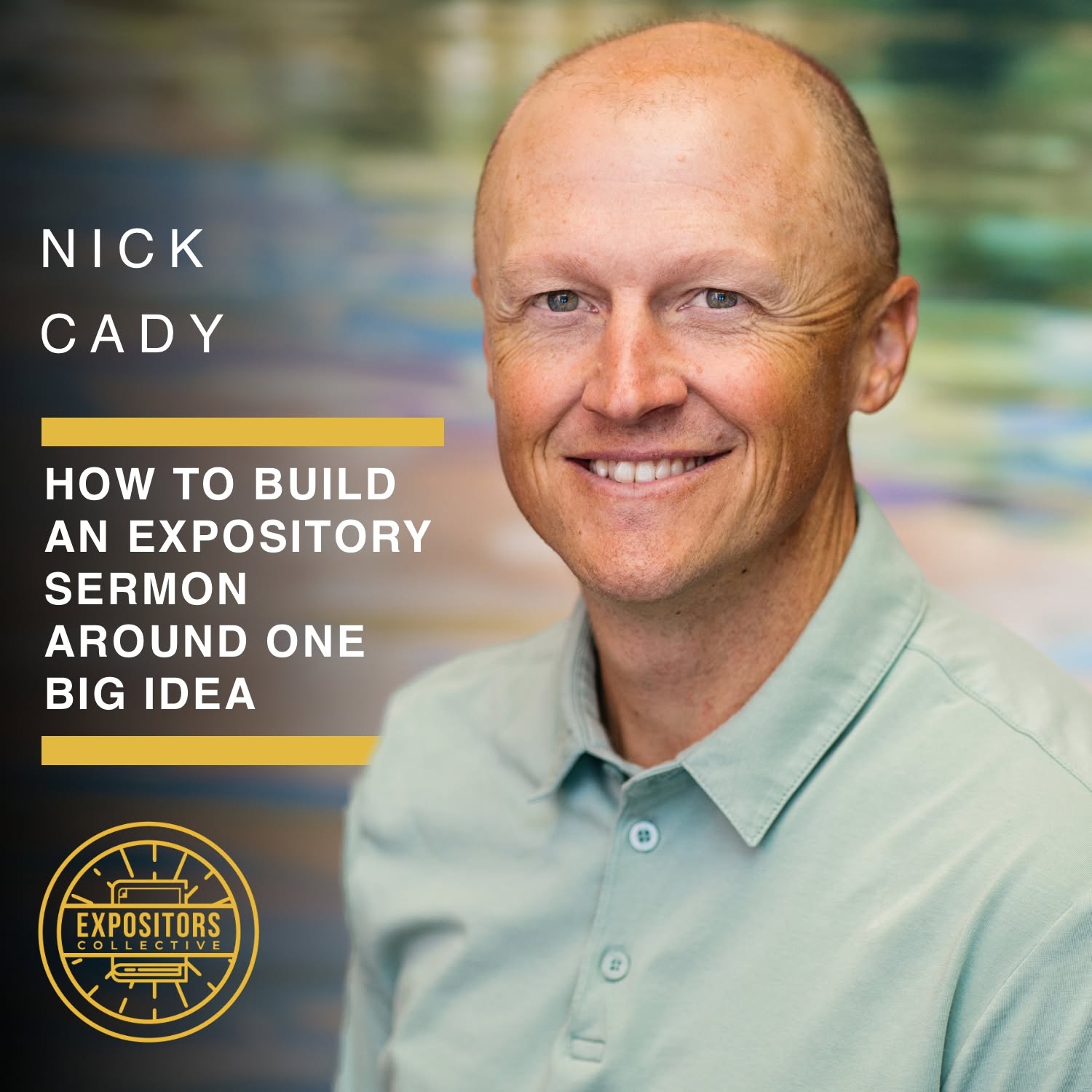
While I was there, I had the opportunity to record a podcast episode for the Expositors Collective Podcast about my approach to expository preaching.
Starting in 2020, I have gotten in the practice of distilling a “big idea” or thesis statement for the passage, and then using that sentence as my outline for the message.
For example, this coming Sunday’s sermon will be on Joshua 8:1-35. The title of the message is: “Moving Forward After Failure” and the summary statement is: “By God’s grace, our failures can become turning points toward renewed faithfulness and fellowship with Him.” I will use that sentence as my outline in this way:
By God’s grace, our failures can become turning points… (Joshua 8:1-2)
The failure at Ai (ch 7), God’s grace in times of our failure, and how our failures can be catalysts for good things if we respond rightly.
…toward renewed faithfulness… (Joshua 8:3-29)
The people of Israel did exactly what God called them to do, and it led to victory as they obeyed by faith
…and fellowship with Him. (Joshua 8:30-35)
The people of Israel renewed their covenant with the Lord and do what God called them to do back in Deuteronomy 27.
In this podcast episode, Mike and I talk about my sermon writing process, what it looks like step-by-step, and lessons I have learned along my journey of seeking to improve as a preacher.
As a preacher, I’ve often been impressed with stand-up comedians, especially those who are master communicators. I think that preachers can learn a lot from comedians when it comes to timing, surprise, story telling, and understanding your audience.
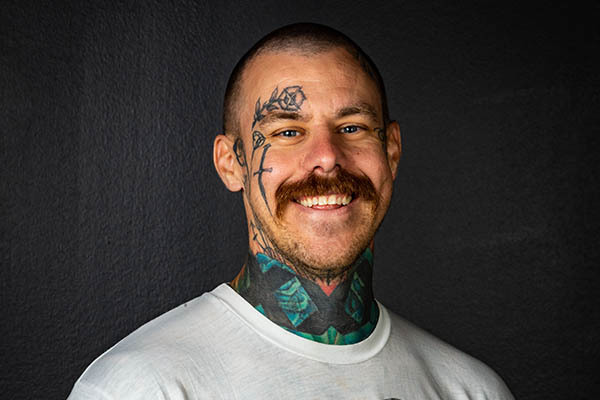
A few years ago, I stumbled upon Shayne Smith, when he did his first special for Dry Bar Comedy – an Utah-based clean comedy company. I enjoyed his cadence and style, so I searched for other videos of his comedy, and looked him up on social media.
What I found wasn’t great. His comedy outside of Dry Bar was raunchy, and from his social media I realized that he lived a very hedonistic bisexual lifestyle. As a result, I unfollowed him online.
However, a few months later, a new Shayne Smith special came out on Dry Bar (“Alligator Boys”), which I knew would be clean, and I really enjoyed it. I shared with my friend Mike, who leads Expositors Collective, a group that trains preachers, that these specials were masterclasses in communication that preachers could glean from – but, I also warned him that I didn’t recommend any of Shayne’s stuff outside of Dry Bar.
A few years later, much to my surprise, Mike sent me a podcast episode, in which Shayne was the guest, and he was talking about how he had converted to Roman Catholicism. In that episode, he shared that he was a singer in a hardcore band, talked about his love of punk rock, and about his newfound faith in Jesus.
Since that time, Shayne has been talking more and more about his faith in Jesus, which is particularly remarkable considering his previous lifestyle.
Last week, my wife and I went to see Shayne live here in Denver; the tickets a gift from Mike. Prior to the show, I came across this video, which I watched, and then shared with several friends. In it, Shayne tells the story of his journey into progressive ideology and lifestyle, and what it was that cause him to see the cracks in its foundations, and how he came to believe in Jesus. I highly recommend the video; it’s incredible!
I’m not Catholic, and I disagree with Shayne’s broad-brushing of “non-denominational” Christians. He strikes me as a young Christian, who isn’t yet overly familiar with Roman Catholicism, nor robust theology, or conservative Protestantism. I do appreciate the charitable work of the Roman Catholic Church, and the fact that they have refused to budge on issues such as marriage and sexuality, and abortion and the sanctity of life. It also strikes me that the way Shayne talks about Jesus as his “Lord and Savior” sounds very evangelical! Personally, I hope he will make that step! And yet, I rejoice to see Shayne believing in and seeking Jesus, and that he has clearly repented of his sins. At the show we went to, he mentioned three times that he had converted to “Christianity.”
One part of Shayne’s testimony that sticks out to me the most is how he realized that Christians are the people who actually do things like loving their neighbors and forgiving those who sin, and that those who follow Jesus tend to be happier and more content.
A Broader Trend
Much has been said in recent months about the changing trends in church attendance, with young men (Gen Z in particular) coming to church in large numbers. We have seen some of this trend in our church, especially in our online offerings, which are consumed mostly by young men. We’ve also seen many coming in person and seeking the Lord.
Anecdotally, friends of mine who are pastors, have reported similar trends. I have also seen it amongst my teenage son’s friends. It seems that many young people, particularly young men, have become fed up with, and seen the hypocrisy and flaws of the progressive policies which have been pushed on them from schools and public institutions for years, and they are pushing back and seeking for something that tells the truth, is based in really, and calls and challenges them to transform and become better.
Justin Brierley recently stepped down from hosting the “Unbelievable?” show, which he hosted for 17 years, to start this new project, which also involves a podcast and social media videos. Check out The Surprising Rebirth Podcast to hear more discussions and stories about this phenomenon.
How about you – are you seeing this trend where you are?
Let’s pray that God draws many young people to himself! Just as we rejoice in the current surge, we also desire to see a prolonged revival! May the Lord bring more people into churches, and may churches be prepared to make disciples!
How is expository Bible teaching different than non-expository teaching?
David Jackman is the founder and director of the Cornhill Training Course, a UK-based initiative which teaches people how to teach the Bible expositorally.
David has served as a pastor and as president of Proclamation Trust, which exists to equip Bible teachers around the world.
In this episode, David explains the value of expository preaching, both in how it honors God’s Word, and in the ways it benefits those who hear it.
We discuss common pushbacks to expository preaching, such as that Jesus was not an expository preacher, and we get into the mechanics of effective Bible teaching, including how to include application, and more.
This video is a clip from a message I presented at an Expositors Collective training event, on the topic of Christ-Centered Hermeneutics. I didn’t realize they had isolated this clip and turned it into a video, but I’m glad they did, and I’d love for you to check it out:
Earlier this year I met with the team from Expositors Collective in the mountains of Southern California for a few days of meetings and recording our content into a video series.
During our time, we recorded a discussion for the Expositors Collective podcast, which turned out surprisingly well! We started off talking about pet peeves, but finished with a strong discussion about creating a discipleship pathway for your church.
Sometimes when people hear the word “discipleship,” it invokes an image in their mind of one-on-one mentorship, studying through a book together. Certainly this is one method of making disciples, but to conceive of discipleship only in this way is incredibly reductionistic.
Discipleship is a multifaceted thing, and requires multiple inputs and opportunities for growth. Everything from attending worship services, serving, taking Communion, participating in small group Bible studies – just to name a few – are ways that people are equipped as disciples of Jesus.
In this episode, Dr. John Whittaker (check out johnwhittaker.net) mentions the importance of creating a discipleship pathway, and I join in with my thoughts on why it is important. Shortly after this trip, I went to Ukraine and Serbia, where I spoke a lot with church leaders there about the importance of creating discipleship pathways for their churches. Upon returning home, we discussed this at our staff meeting at White Fields Church, and our Executive Pastor, Jason, put together this great infographic to share with our church. Maybe it can be helpful for you as well, as you think about creating a discipleship pathway for your church.
As part of the discussion, Aaron asked Mike and I about our worst Easter sermon ever. As I was telling about my worst Easter sermon, I remembered something that happened on our first Easter (also our first Sunday) planting a church in Eger, Hungary. It wasn’t something I did (or even saw), but it was something which probably made it the worst Easter service ever for those who attended 😂. Here’s the video of that part of our discussion:
Aaron broke up our discussion into sections and created a helpful article, with Mike and I discussing about Good Friday, how to support staff and volunteers amongst the busyness of Easter weekend, and how to keep Easter fresh.
In this week’s episode of the Theology for the People podcast, I speak with Dr. Roy Collins about the relationship between clergy and the congregation, and study and the Spirit.
Dr. Collins is a returning guest on the podcast; his previous episode: Guidelines for Biblical Interpretation: Properly Understanding & Faithfully Applying God’s Word, has been one of the most popular episodes on the podcast. In that episode, Dr. Roy alluded to his bad experiences in ministry as a pastor, and I responded that we could talk about that in a later episode. Well, that “later episode” is here!
In this episode, we talk about some of our experiences as pastors, specifically in regard to training and support. What is the responsibility of someone who is called to ministry to study to show themselves approved, a workman who can rightly divide the Word of God (2 Timothy 2:15)? What responsibility does the congregation have towards the minister – for support and providing care and coaching?
We discuss these and other subjects in this episode.
Dr. Collins has served as a pastor and a professor of Biblical Interpretation at Colorado Christian University. He is a member of White Fields Community Church in Longmont, Colorado, where he teaches an adult Sunday School class at 8:00 AM on Sunday mornings.
We also explain and mention two initiatives I am involved in, which were designed to meet these needs:
Expositors Collective: a group of Christian leaders who are working together to raise up the next generation of Christ-centered Bible teachers and preachers, through our 2-day interactive seminars and our weekly podcast. Our next training seminar will be held in Costa Mesa, California, on February 18-19, 2022. If you’d like more information, and to register, go to expositorscollective.com
Cultivate Training Program: This is a relationally focused, local-church based training program which helps assess, train, and potentially deploy new church planters and missionaries.
Click here to listen to this episode, or listen in the embedded player below.
Pastor and author David Guzik joined me on the Theology for the People podcast last week to discuss the topic of Christian liberty.
How do we make sense of “gray areas,” things like drinking alcohol, tattoos, smoking tobacco, music choices, etc. about which some Christians have strong convictions that a Christian person should never engage in those things, whereas others feel that they can enjoy them in moderation without any conflict in their fidelity to following Jesus?
How do we honor one another without being held hostage by every person’s personal whims? David helps shed some light on these and other questions related to this topic in this episode.
David is the author of a free online commentary of the entire Bible, which can be found at EnduringWord.com, along with the audio and video archives of David’s teachings through most of the books of the Bible. Make sure to check out his weekly Q&A sessions on his YouTube Channel, Thursdays at 12:00 PM Pacific Time.
David and I serve together on the steering committee of the Expositors Collective, a group dedicated to raising up the next generation of Christ-centered expository preachers and Bible teachers through weekly podcast episodes, 2-day intensive seminars, and other resources. The next Expositors Collective in-person training weekend will be in Orange County, California on February 18-19, 2022. More information and registration available here.
If you would like to submit a question or suggest a topic for future articles or podcast episodes, you can do that here, by clicking the Ask a Question or Suggest a Topic button.
Mike Neglia is the lead pastor of Calvary Cork in Cork, Ireland, and together we serve on the steering committee of the Expositors Collective.
At our Expositors Collective training weekends, Mike usually teaches the module on Christ-Centered Preaching, which is a topic near and dear to both his heart and mine, so it seemed like a good topic to discuss with him on an episode of the Theology for the People Podcast.
In this episode we discuss Christ-Centered hermeneutics, first by defining “hermeneutics,” then by explaining the case for Christ-Centered hermeneutics and seeking answer the question: “Is it a stretch to say that everything in the Bible points to Jesus?”
This is the first part of a two-part series on this topic, so stay tuned for next week’s episode, in which we will respond to some common objections to Christ-Centered hermeneutics.
Because of the ongoing Coronavirus situation we postponed the Expositors Collective in-person two-day training weekends in Seattle and Honolulu, but we continue to look for ways to continue our mission to equip, encourage, and mentor the next generation of expository Bible teachers and preachers.
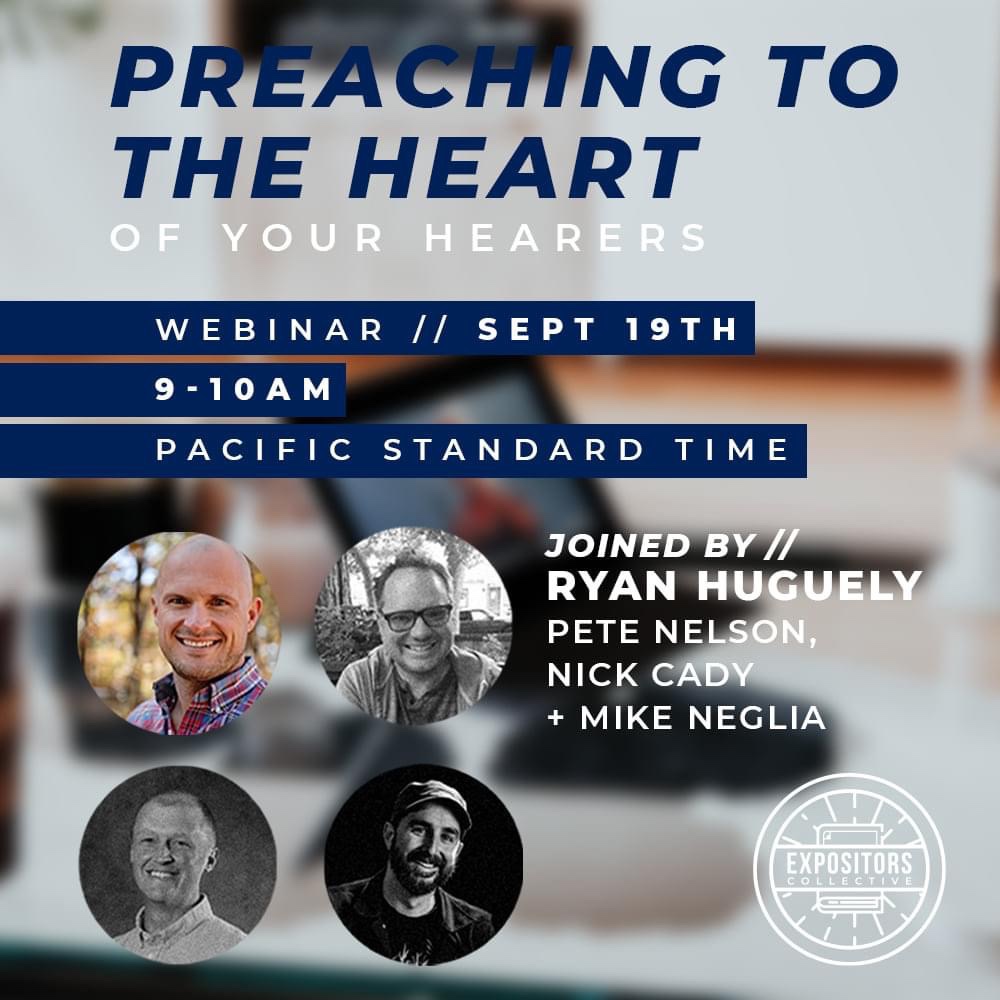
Our next webinar will be on September 19, 2020 from 9:00-10:00 AM Pacific Time (10:00-11:00 AM Mountain Time), and the theme is: Preaching to the Heart of Our Hearers.
Ryan has a heart to help teachers and preachers grow in their calling. He has been a guest on the Expositors Collective Podcast and we are excited to have him join us for this webinar which will include a short message followed by an opportunity to ask questions and discuss topics.
Here’s an audio clip from Ryan introducing the webinar:
This is a free event, but is limited to the first 100 who sign up, which you can do by clicking the button below.