Drawing from the insights of Worship Matters by Bob Kauflin, they explore 9 essential tensions that every church must navigate when it comes to worship and music.
What does it look like to be:
Spirit-led and Scripture-rooted?
Emotionally expressive and doctrinally grounded?
Skilled and sincere?
Rather than choosing one side or the other, healthy worship holds these tensions together in a way that honors God and serves the church.
Whether you’re a pastor, worship leader, musician, or church member, this conversation will help you think more clearly about what worship is—and what it’s for.
👉 Topics include:
The purpose of music in gathered worship
Balancing excellence and authenticity
Choosing songs that shape theology
Leading people, not just performing for them
Why tension is not a problem—but a necessity
If you care about Christ-centered, congregational worship, this episode is for you.
In this episode of Theology for the People, host Nick Cady sits down with Michael Payne, Worship Pastor at White Fields Community Church, to talk about what makes worship in the church both biblical and healthy.Drawing from the insights of "Worship Matters" by Bob Kauflin, they explore 9 essential tensions that every church must navigate when it comes to worship and music.What does it look like to be:Spirit-led and Scripture-rooted?Emotionally expressive and doctrinally grounded?Skilled and sincere?Rather than choosing one side or the other, healthy worship holds these tensions together in a way that honors God and serves the church.Whether you're a pastor, worship leader, musician, or church member, this conversation will help you think more clearly about what worship is—and what it’s for.👉 Topics include:The purpose of music in gathered worshipBalancing excellence and authenticityChoosing songs that shape theologyLeading people, not just performing for themWhy tension is not a problem—but a necessityIf you care about Christ-centered, congregational worship, this episode is for you.
This episode is audio only for the safety of the people to whom Matt ministers, but the audio can be found on YouTube here:
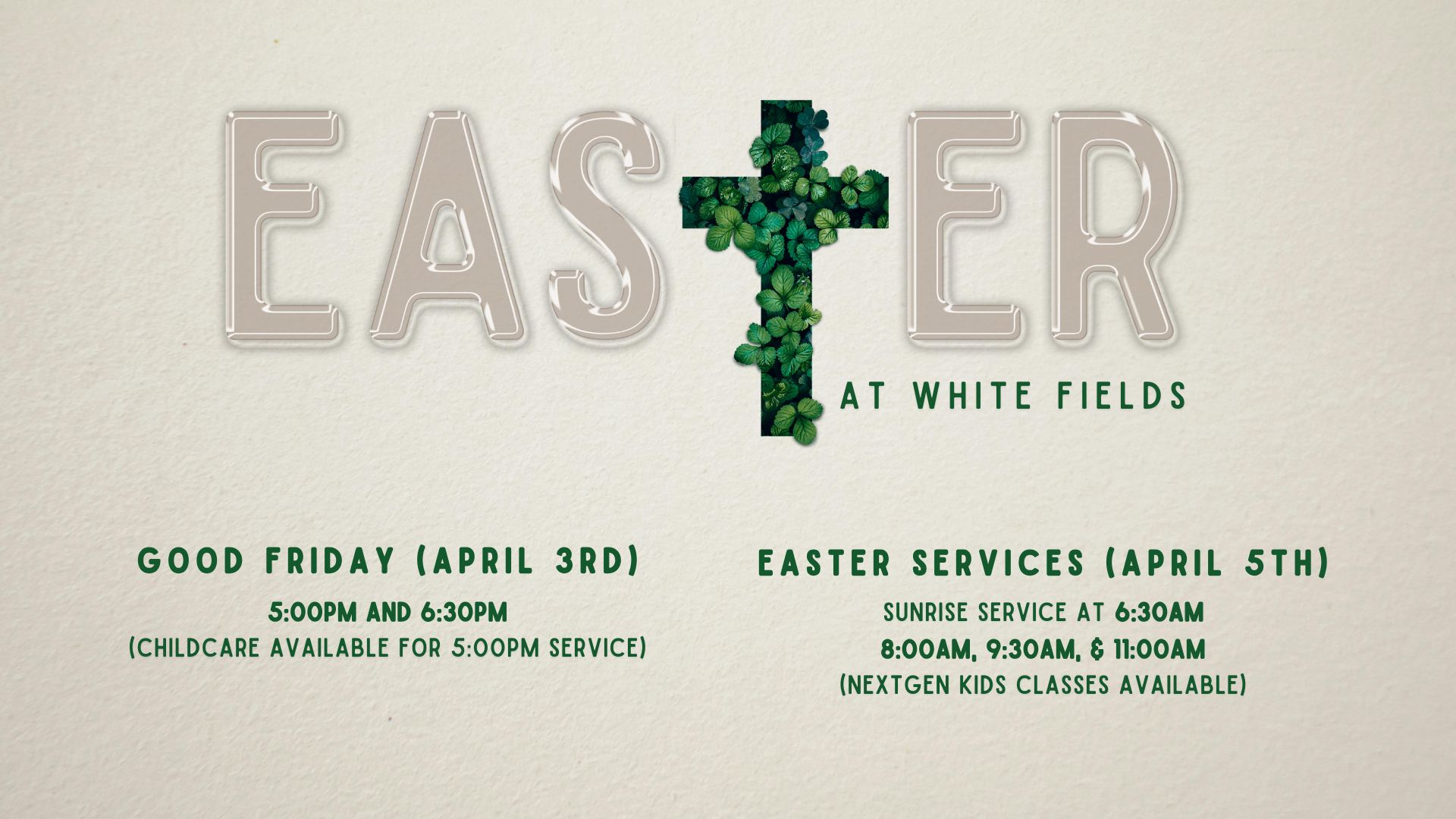
6:30 – Sunrise Service on the large grassy area in front of our church building, with a beautiful view of the Sunrise, as we celebrate how the resurrection of Jesus has ushered in a new day for our lives and for the world! Stick around after Sunrise service for breakfast and coffee.
8:00, 9:30, & 11:00 AM – Easter Worship Services. NextGen Kids classes are available at all three services!
Note: The Sunrise Service and the Easter Worship Services are two distinct services, with different messages and music. Come to both!
Good Friday Services – April 3, 2026
5:00 & 6:30 PM – Join us as we remember and celebrate Jesus’ death on the cross for us.
Family Eggvent – April 4, 2026
11:00 AM -1:00 PM – Bring your kids and friends for this fun community event! We will have a food truck serving tacos, bounce houses, crafts, and a puppet show for children, and egg hunts for kids of multiple ages.
Here’s a short video invitation for you to watch and share with others:
What does persecution actually look like in the places where the gospel is least known? And how should Christians think about persecution in relation to missions?
In this episode of the Theology for the People Podcast, I speak with Matt Rhodes. Matt is a missionary and author, who has been serving for 15 years as a church planter in North Africa among a Muslim-majority tribals communities. Matt shares stories from the field and discusses the central thesis of his book Persecution and Missions: A Practical Theology.
One of Matt’s key insights is that persecution is not merely an occasional obstacle to mission—it is often a structural reality in places where the gospel is advancing. In many communities, the greatest barrier to faith in Christ isn’t intellectual objections but the social and familial cost of conversion. Whereas many people espouse the benefits that persecution has on the church, Matt points out that the threat of persecution does keep many from even considering the claims of Christ out of fear of reprisal.
In this episode Matt and I discuss:
Why persecution often prevents people from even exploring Christianity
The immense social cost faced by converts from Muslim backgrounds
Common mistakes Western missionaries make when discipling persecuted believers
The tension between contextualization and compromise in missions
How the New Testament frames persecution through the lens of the Exodus and the Promised Land
Why missionaries must be honest about the cost of following Jesus
The dangers of wealth, financial incentives, and dependency in missions
Matt also shares practical wisdom from his experience serving in a village context in North Africa and offers specific ways listeners can pray for believers who face intense pressure for their faith.
This conversation offers an important reminder: following Jesus has always come with a cost—but the hope of resurrection and eternal reward makes that cost worthwhile.
What does persecution actually look like in the places where the gospel is least known? And how should Christians think about persecution in relation to missions?In this episode of Theology for the People, Nick Cady speaks with missionary and author Matt Rhodes about his 15 years serving as a church planter in North Africa among a Muslim-majority tribal community. Matt shares stories from the field and discusses the central thesis of his book Persecution and Missions: A Practical Theology.One of Matt’s key insights is that persecution is not merely an occasional obstacle to mission—it is often a structural reality in places where the gospel is advancing. In many communities, the greatest barrier to faith in Christ isn’t intellectual objections but the social and familial cost of conversion.Nick and Matt discuss:Why persecution often prevents people from even exploring ChristianityThe immense social cost faced by converts from Muslim backgroundsCommon mistakes Western missionaries make when discipling persecuted believersThe tension between contextualization and compromise in missionsHow the New Testament frames persecution through the lens of the Exodus and the Promised LandWhy missionaries must be honest about the cost of following JesusThe dangers of wealth, financial incentives, and dependency in missionsMatt also shares practical wisdom from his experience serving in a village context in North Africa and offers specific ways listeners can pray for believers who face intense pressure for their faith.This conversation offers an important reminder: following Jesus has always come with a cost—but the hope of resurrection and eternal reward makes that cost worthwhile.📘 Matt’s book: Persecution and Missions: A Practical Theology
This episode is audio only for the safety of the people to whom Matt ministers, but the audio can be found on YouTube here:
In this episode of the Theology for the People Podcast, I speak with Shane Angland to explore a question that I have thought about for a long time: Did the early church fathers view Scripture the way Protestants do today—or is the Protestant view of the Bible a Reformation novelty?
Shane and I walk through patristic theology and discuss how figures like Irenaeus, Athanasius, Chrysostom, Jerome, and Augustine spoke about the inspiration, authority, sufficiency, and clarity of Scripture. We also examine the “rule of faith” and whether it functioned like a controlling magisterium—or more like a summary of Scripture’s core teaching that guided interpretation.
Along the way, we discuss:
What “patristics” are, and where the patristic era generally begins and ends
Whether the fathers believed Scripture could contain errors
How early Christians handled difficult passages (textual issues, translation, and humility)
The unity of Scripture and the Christ-centered reading of the whole Bible
The Reformation’s claims about Sola Scriptura and the perspicuity (clarity) of Scripture
Augustine’s On Christian Doctrine and why it’s really about how to interpret the Bible
Whether the church creates Scripture’s authority or recognizes it
How medieval developments changed the relationship between Scripture and tradition
If you’ve ever wondered whether the Reformation recovered an earlier Christian approach to the Bible—or introduced something new—this conversation is for you.
The Bible in Patristic Thought: Authority, Clarity, and the Rule of Faith – with Shane Angland –
Theology for the People
In this episode of Theology for the People, Nick Cady is joined by recurring guest Shane Angland to explore the question: Did the early church fathers view Scripture the way Protestants do today—or is the Protestant view of the Bible a Reformation novelty?Nick and Shane walk through patristic theology and discuss how figures like Irenaeus, Athanasius, Chrysostom, Jerome, and Augustine spoke about the inspiration, authority, sufficiency, and clarity of Scripture. They also examine the “rule of faith” and whether it functioned like a controlling magisterium—or more like a summary of Scripture’s core teaching that guided interpretation.Along the way, they discuss:What “patristics” are, and where the patristic era generally begins and endsWhether the fathers believed Scripture could contain errorsHow early Christians handled difficult passages (textual issues, translation, and humility)The unity of Scripture and the Christ-centered reading of the whole BibleThe Reformation’s claims about sola Scriptura and the perspicuity (clarity) of ScriptureAugustine’s On Christian Doctrine and why it’s really about how to interpret the BibleWhether the church creates Scripture’s authority or recognizes itHow medieval developments changed the relationship between Scripture and traditionIf you’ve ever wondered whether the Reformation recovered an earlier Christian approach to the Bible—or introduced something new—this conversation is for you.
I have recently started posting more on the Theology for the People YouTube channel. You can watch this interview on video here:
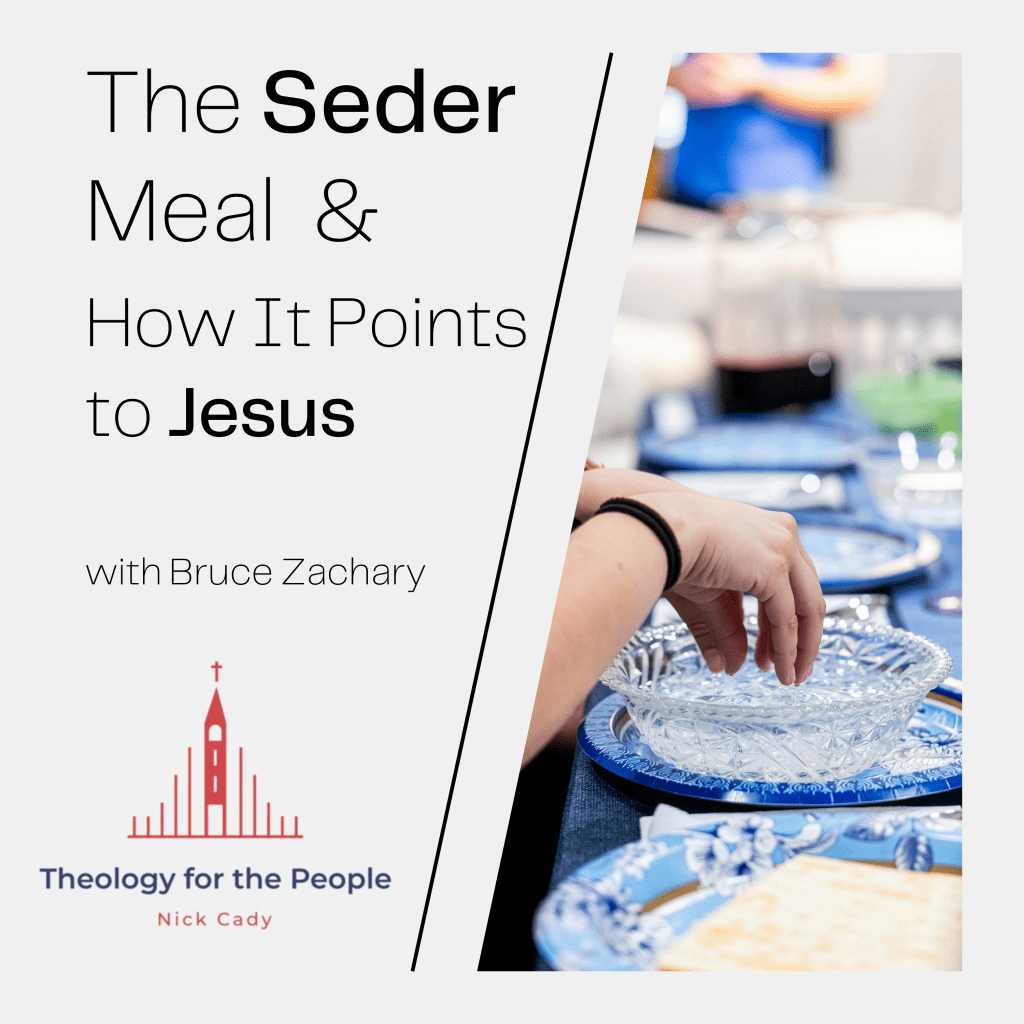
In this episode of the Theology for the People Podcast, I speak with Bruce Zachary, founding and teaching pastor of Calvary Nexus in Camarillo, California, to explore the Passover Seder meal—what it is, why it matters, and how it points powerfully to Jesus the Messiah.
Bruce shares his story of growing up in an observant Jewish home and later coming to faith in Christ after visiting Calvary Chapel of Costa Mesa and encountering the Book of Hebrews.
From there, the conversation dives into the biblical foundation of Passover in Exodus 12, the symbolism of the Seder plate, the meaning of the afikomen, and the significance of the four cups from Exodus 6:6–7—especially the “cup of redemption” connected to Jesus’ words at the Last Supper.
We also discuss how Christians should approach the Seder respectfully, how it helps connect the Old and New Testaments, and why Passover is one of the richest pictures of God’s redemptive plan—from Exodus to the cross and beyond.
📍 Upcoming Event: Bruce will be leading a Passover Seder at White Fields Community Church in Longmont, Colorado on March 27, 2026. The event is open to the public. Register here.
More from Bruce: Messages and free resources, including several ebooks, are available at calvarynexus.org
Nick and Bruce help lead a global church planting network called Cultivate. Visit: cultivatechurchplanting.com
In this episode of Theology for the People, Nick Cady sits down with Bruce Zachary, founding and teaching pastor of Calvary Nexus (Camarillo, California), to explore the Passover Seder meal—what it is, why it matters, and how it points powerfully to Jesus the Messiah.Bruce shares his story of growing up in an observant Jewish home and later coming to faith in Christ after visiting Calvary Chapel of Costa Mesa and encountering the Book of Hebrews. From there, the conversation dives into the biblical foundation of Passover in Exodus 12, the symbolism of the Seder plate, the meaning of the afikomen, and the significance of the four cups from Exodus 6:6–7—especially the “cup of redemption” connected to Jesus’ words at the Last Supper.Nick and Bruce also discuss how Christians should approach the Seder respectfully, how it helps connect the Old and New Testaments, and why Passover is one of the richest pictures of God’s redemptive plan—from Exodus to the cross and beyond.📍 Upcoming Event: Bruce will be leading a Passover Seder at White Fields Community Church in Longmont, Colorado on March 27, 2026. The event is open to the public. Register here.More from Bruce: Messages and free resources, including several ebooks, are available at calvarynexus.orgNick and Bruce help lead a global church planting network called Cultivate. Visit: cultivatechurchplanting.com
I have recently started posting more on the Theology for the People YouTube channel. You can watch this interview on video here:
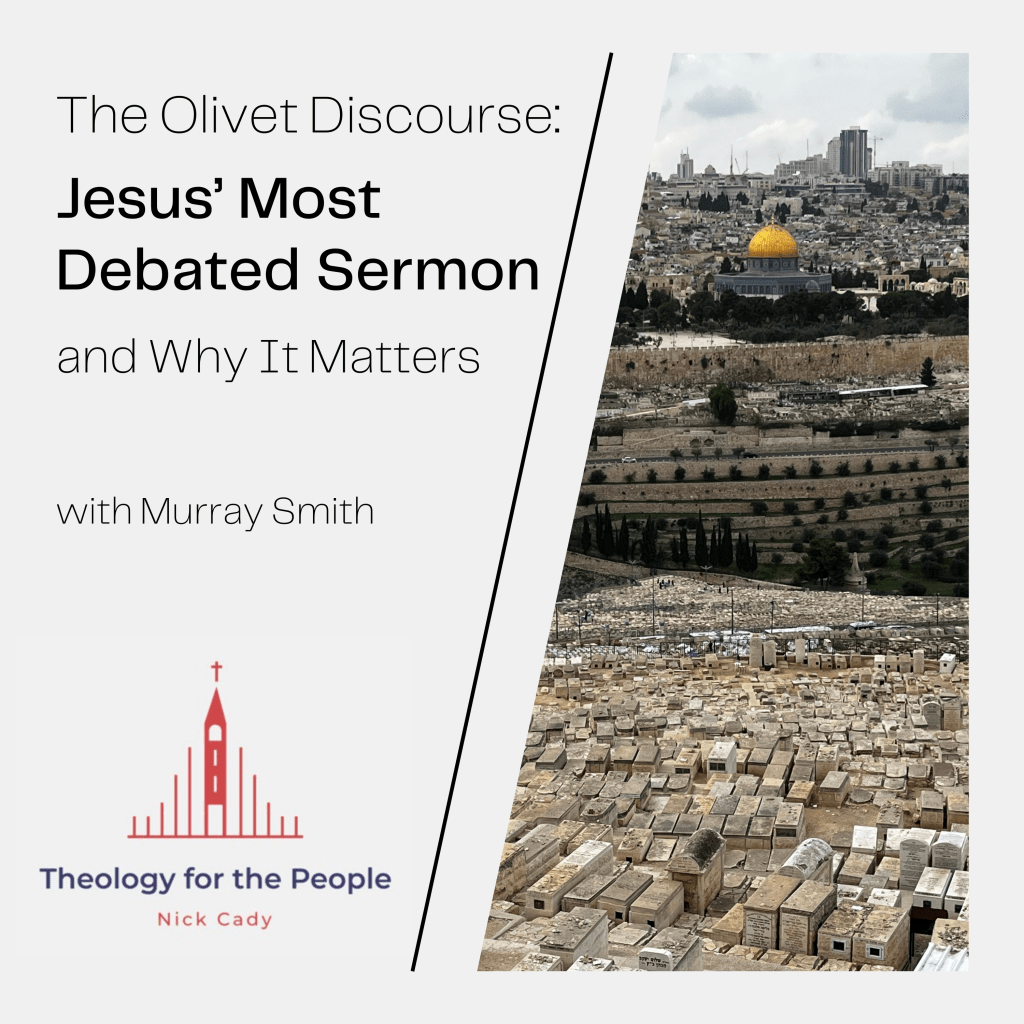
In this episode of the Theology for the People Podcast, I speak with Murray Smith of Christ College in Sydney, Australia about one of Jesus’ most debated teachings: the Olivet Discourse (Mark 13, Matthew 24-25, Luke 21).
Murray gives us his take on the state of evangelical Christianity in Australia, and then we turn to discussing Murray’s recent book: Jesus’ Speech on the Mount of Olives: a 12-Week Study, which is designed to help Christians read this passage with clarity and hope.
Murray lays out the three major interpretive approaches(preterist / futurist / “both-and”), he explains why “full preterism” is outside of orthodox Christian confession, and then he walks us through why he believes Jesus speaks about both the destruction of Jerusalem and the final return of Christ.
Additionally, we discuss:
Why this passage is so debated—and yet so important
How Jesus’ cosmic “signs” function as accompanying realities of His coming
What it means to “be ready” according to the parables in Matthew 24-25
Why healthy eschatology produces hope, urgency, discipleship, and mission
Though Murray and I have differences in how we interpret this passage, we both hope that studying it will help believers recover a living, formative, and practical hope in the return of Jesus.
Passages referenced: Mark 13; Matthew 24–25; Luke 21; Daniel 7; 1 Thessalonians 4; 2 Peter 3; Revelation 21–22
Links to my recent messages on the Olivet Discourse:
The Olivet Discourse: Jesus’ Most Debated Sermon, and Why It Matters – with Murray Smith –
Theology for the People
In this episode of Theology for the People, Nick Cady speaks with Murray Smith (Christ College, Sydney) to talk about one of Jesus’ most debated teachings: the Olivet Discourse (Mark 13, Matthew 24–25, Luke 21).Murray gives a candid snapshot of the state of evangelical Christianity in Australia, and from there, the conversation turns to Murray’s book Jesus’ Speech on the Mount of Olives, a 12-week study designed to help Christians read this passage with clarity and hope. Murray lays out the three major interpretive approaches (preterist / futurist / “both-and”), he explains why “full preterism” is outside orthodox Christian confession, and then walks us through why he believes Jesus speaks about both the destruction of Jerusalem and the final return of Christ.Nick and Murray also discuss:Why this passage is so debated—and yet so importantHow Jesus’ cosmic “signs” function as accompanying realities of His comingWhat it means to “be ready" according to the parables in Matthew 24–25Why healthy eschatology produces hope, urgency, discipleship, and missionThough Nick and Murray have differences in how they view this passage, they both hope that studying it will help believers recover a living, formative, practical hope in the return of Jesus.Passages referenced: Mark 13; Matthew 24–25; Luke 21; Daniel 7; 1 Thessalonians 4; 2 Peter 3; Revelation 21–22Links to Nick's recent messages on the Olivet Discourse:The Great Tribulation & the King's ReturnLiving Ready for Jesus' ReturnHow to Prepare for the End of the WorldWhat to Expect on Judgment Day
I have recently started posting more on the Theology for the People YouTube channel. You can watch this interview on video here:
After my sermon on Matthew 28:1-15, someone asked a great question:
“How does Mary Magdalene weeping at the tomb in John 20:11-18 fit with Matthew’s account of the women meeting Jesus on the way in Matthew 28:8-10?”
After looking into it, there’s a simple and satisfying explanation. But also, this question touches on a larger issue, of how the different Gospel accounts fit together. The different Gospel writers give different perspectives which ultimately complement, rather than contradict each other.
The Women Who Went to the Tomb
Mary Magdalene (Matthew 28:1, Mark 16:1, Luke 24:10, John 20:1)
The other Mary (Matthew 28:1; Mark 15:40; Luke 24:10) — most likely Mary the mother of James and Joseph (also called Joses; cf. Matthew 27:56)
This seems to be the same person Mark calls “Mary the mother of James” (Mark 16:1)
Some people believe this is Mary the Mother of Jesus, while others believe it’s a separate person.
Salome (mother of James and John, the sons of Zebedee) (Mark 16:1)
Joanna (wife of Chuza, a steward in Herod’s household) (Luke 24:10, cf. Luke 8:3)
Other unnamed women who had followed Jesus from Galilee (Luke 23:55; 24:10)
All four Gospel accounts mention Mary Magdalene. John’s Gospel only mentions Mary Magdalene, not to the exclusion of the other women, but only to focus on her previously undocumented encounter with Jesus at the tomb. The fact that Mary Magdalene was not alone is alluded to by John 20:2, “They have taken the Lord out of the tomb, and we do not know where they have laid him.” The plural “we” indicates she wasn’t alone.
The Women Arrive at the Tomb, but Mary Leaves Immediately
As this group of women arrived at the tomb with spices to anoint Jesus’ body, they saw that the stone had been rolled away. At this point, Mary Magdalene appears to separate from the group and run ahead. Having seen the open tomb, she assumes the worst: that someone has taken the Lord’s body (John 20:2). She runs to tell Peter and John, while the other women remain at the tomb.
The Women Encounter the Angel
Matthew 28:2–7; Mark 16:5–7; Luke 24:4–8: While Mary Magdalene is gone, the other women encounter angels at the tomb. Matthew focuses on one angel, who is sitting on the stone, while Mark and Luke mention two inside the tomb.
The angels proclaim the good news: Jesus has risen, just as He said. The women are told to go and tell the disciples that Jesus is alive and will meet them in Galilee. Shaken by what they had seen, and filled with joy, they rush off from the tomb to share the message with the disciples.
Peter and John Run to the Tomb
John 20:2-10; Luke 24:12: Meanwhile, Mary Magdalene reaches Peter and John with the news that, “They have taken the Lord out of the tomb, and we don’t know where they have laid Him.”
Peter and John sprint to the tomb. John arrives first, looks in, and sees the linen clothes. Peter then arrives; he goes in and notices the face-cloth folded up in a place by itself. This detail indicates that whatever happened in the tomb took place in an orderly manner, rather than a chaotic hurry.
Peter and John realize that something significant has happened, but they don’t yet understand that Jesus has risen. They then head back home (to the place where the disciples were staying in Jerusalem).
Mary Magdalene Weeping at the Tomb
John 20:11-18: Once Peter and John have left, Mary is alone at the tomb. She stands outside the tomb weeping. As she weeps, she stops to look inside the tomb. In the tomb, she sees two angels seated where Jesus’ body had lain. She speaks with the angels, but then turns around and sees Jesus standing there, but does not recognize that it is Him (possibly because of back-lighting, or possibly due to the difference in appearance of Jesus’ resurrection body).
Jesus asks Mary why she is weeping. Mary assumes that he is the gardener, but then Jesus speaks her name: “Mary.” Mary then recognizes that the person speaking to her is Jesus.
Mary embraces Jesus, but He tells her not to cling to Him, but to go and tell his “brothers” (disciples) that He is soon going to ascend to the Father.
It seems that Mary is the first eyewitness of the risen Jesus, and she tells the others that she has seen the Lord.
Jesus Appears to the Other Women
Matthew 28:8-10: As the other women are on the way from the tomb, sent by the angels to tell the disciples, Jesus meets them. The women fall at his feet and worship Him – grasping onto Him.
This likely happened shortly after Mary’s encounter. Jesus tells these women to go and tell the disciples to go to Galilee, promising that they will see Him there.
The Women Report to the Other Disciples
Luke 24:9-11; Mark 16:8-11: The women tell the disciples what they have seen, but their words seem like “an idle tale,” and the disciples are reluctant to believe it.
The Road to Emmaus
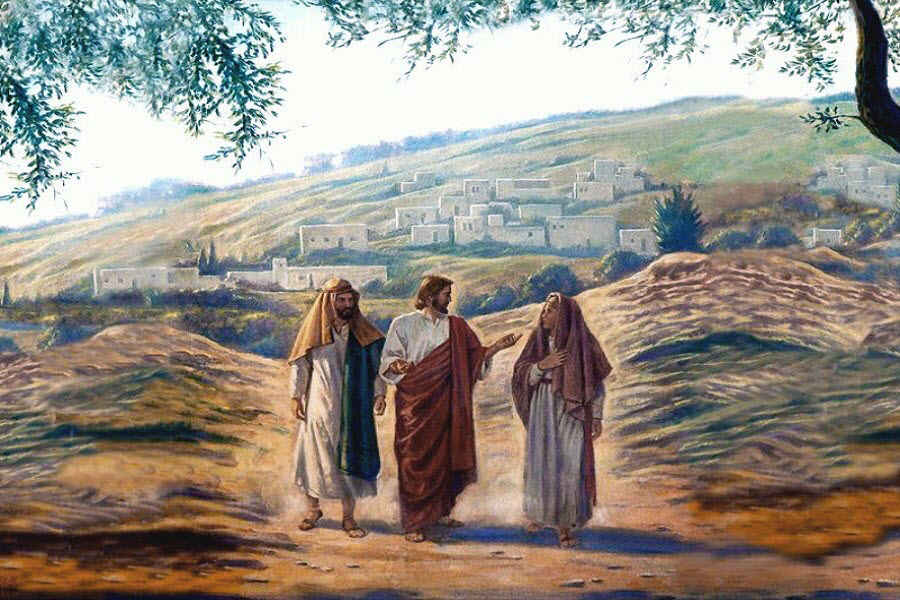
Luke 24:13-35: Later that day, two disciples are walking toward the village of Emmaus, talking about what happened to Jesus and trying to make sense of it. We don’t know who these disciples were, or if they belonged to “the eleven” or were part of the larger group of Jesus’ followers.
Jesus joins them as they walk and engages them in conversation. They explain their confusion: they had thought that Jesus was the Messiah, but when He was captured and killed, they began to doubt. They also mention the report of the women who had been to the tomb, and that they are struggling to know whether to believe it, because despite the women claiming to have seen the angels and Jesus, when the disciples (including Peter and John) went to check it out for themselves, they saw neither Jesus nor angels at the tomb.
Jesus then said to them, 25“O foolish ones, and slow of heart to believe all that the prophets have spoken! 26Was it not necessary that the Christ should suffer these things and enter into his glory?” 27And beginning with Moses and all the Prophets, he interpreted to them in all the Scriptures the things concerning himself.
When the disciples arrive to their destination, Jesus acts as if He will go on further down the road, but they press Him to eat with them. 30When he was at table with them, he took the bread and blessed and broke it and gave it to them. 31And their eyes were opened, and they recognized him. And he vanished from their sight.
They then rush back to Jerusalem to tell the others.
Jesus Appears to the Disciples Behind Locked Doors in Jerusalem
Luke 24:36–43; John 20:19–23: On the evening of that same day, as the disciples were gathered together behind locked doors, Jesus appeared in the room with them.
Jesus showed them His hands and side. He ate with them. He then breathed on them, imparting the Holy Spirit to them (as promised in John 14:17), and conveyed His mission to them. Despite imparting the Spirit, He also tells them to wait in Jerusalem until they are clothed with power from on high – speaking of the empowerment they would receive on Pentecost (cf. Acts 1:8). Even though the disciples have been called to meet with Jesus in Galilee, they will return to Jerusalem for Jesus’ ascension (40 days after the resurrection) and to wait for this empowerment (received 50 days after the resurrection).
During this meeting, Jesus opened their minds to understand the Scriptures, and explained to them everything written about Him in the Law of Moses, the Prophets, and the Psalms (i.e. the entire Hebrew Bible, AKA “Old Testament”). By doing this, Jesus showed them the hermeneutical key to understanding the Bible; that it is a book about Him.
Thomas was not present on this occasion.
Jesus Appears to the Disciples with Thomas Present
John 20:26-29: Eight days later, apparently in the same location in Jerusalem, Jesus appears to the disciples again, this time with Thomas present.
Jesus calls Thomas to not disbelieve, but believe. Having seen Jesus’ wounds and heard His call to believe, Thomas exclaims a confession of faith in Jesus as “My Lord and my God!”
In Galilee
Matthew 28:16-20: Assumedly after the meeting in Jerusalem where Thomas was present, Jesus’ disciples meet Him on a mountain in Galilee, where the disciples worship Him, and Jesus commissions them to go and make disciples of all nations, baptizing them in the name of the Father, the Son, and Holy Spirit.
John 21:1-23: Jesus meets with the disciples on the shore of the Sea of Galilee, where they share breakfast and Jesus restores Peter to a leadership role after Peter’s denial of Jesus on the night of His arrest.
Other Appearances
In 1 Corinthians 15:5-7 Paul the Apostle lists some other appearances of Jesus, but we aren’t quite sure when or where they took place:
A private meeting with Peter (1 Corinthians 15:5)
A large group of over 500 people at one time (1 Corinthians 15:6)
A meeting with James — likely the half-brother of Jesus, who later became the leader of the Jerusalem church and the author of the Epistle of James – (1 Corinthians 15:7)
An appearance to “all the apostles” (apparently a broader group than just “the twelve” (cf. 1 Cor. 15:5)
Conclusion
By harmonizing the Gospel accounts, we get a three-dimensional picture of Jesus’ post-resurrection appearances.
For further study, check out the series of messages I taught a few years ago called “The Resurrected Life” – in which I preached about some of the post-resurrection passages: The Risen Life (2021)
What does it really mean to be an apprentice of Jesus in a fragmented world?
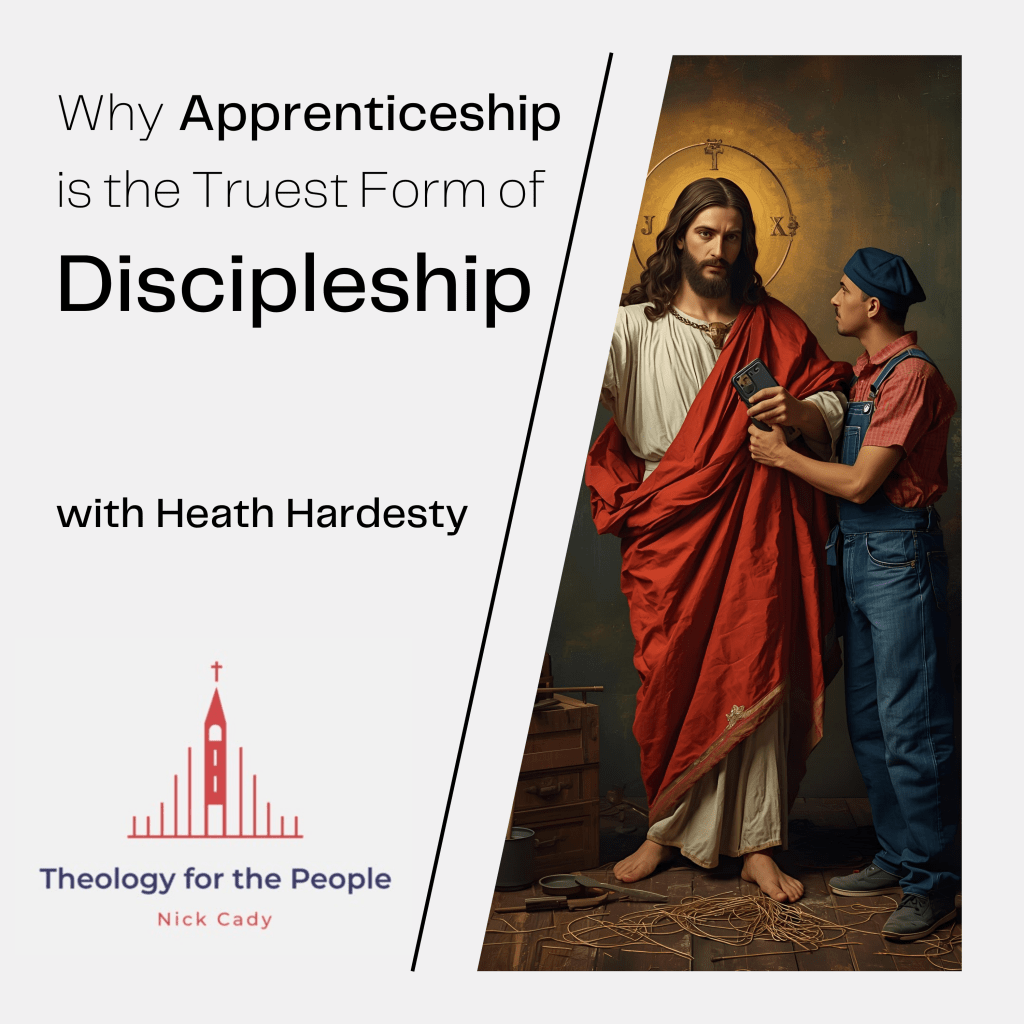
In this episode of the Theology for the People Podcast, Pastor Heath Hardesty shares how his years as an apprentice plumber shaped his vision for discipleship and following Jesus.
Heath is originally from Longmont, Colorado, where I pastor, and he now serves as Lead Pastor of Valley Community Church (VCC) in Pleasanton, California.
Prior to moving to California, when Heath lived in Longmont, he worked as a plumber, training as an apprentice under his father, a master plumber. From his time as a plumbing apprentice, Heath has seen many parallels between apprenticeship and being a disciple of Jesus.
In this episode, we discuss: • Why apprenticeship is a better paradigm for following Jesus than “just” discipleship classes • The four pillars of apprenticeship: union, abiding, obeying, and imaging • How sin fragments our lives and how Jesus reintegrates us • Practical spiritual practices for ordinary Tuesdays • Why following Jesus is a fully embodied way of life—not just information in our heads
Whether you are feeling spiritually stagnant or longing for a more integrated faith, this conversation will challenge and encourage you.
Click here to listen to the episode, or listen in the embedded player below.
Why Apprenticeship is the Truest Form of Discipleship – with Heath Hardesty –
Theology for the People
What does it really mean to be an apprentice of Jesus in a fragmented world? In this episode of Theology for the People, Pastor Heath Hardesty shares how his years as an apprentice plumber shaped his vision for discipleship and following Jesus.Heath is the Lead Pastor of Valley Community Church (VCC) in Pleasanton, California, and the author of the recent book, All Things Together: How Apprenticeship to Jesus Is the Way of Flourishing in a Fragmented World.In this episode, we discuss:Why apprenticeship is a better paradigm for following Jesus than “just” discipleship classesThe four pillars of apprenticeship: union, abiding, obeying, and imagingHow sin fragments our lives and how Jesus reintegrates usPractical spiritual practices for ordinary TuesdaysWhy following Jesus is a fully embodied way of life—not just information in our headsWhether you’re feeling spiritually stagnant or longing for a more integrated faith, this conversation will challenge and encourage you.📖 All Things Together releases October 14 and is available wherever books are sold.
I have recently started posting more on the Theology for the People YouTube channel. You can watch this interview on video here:
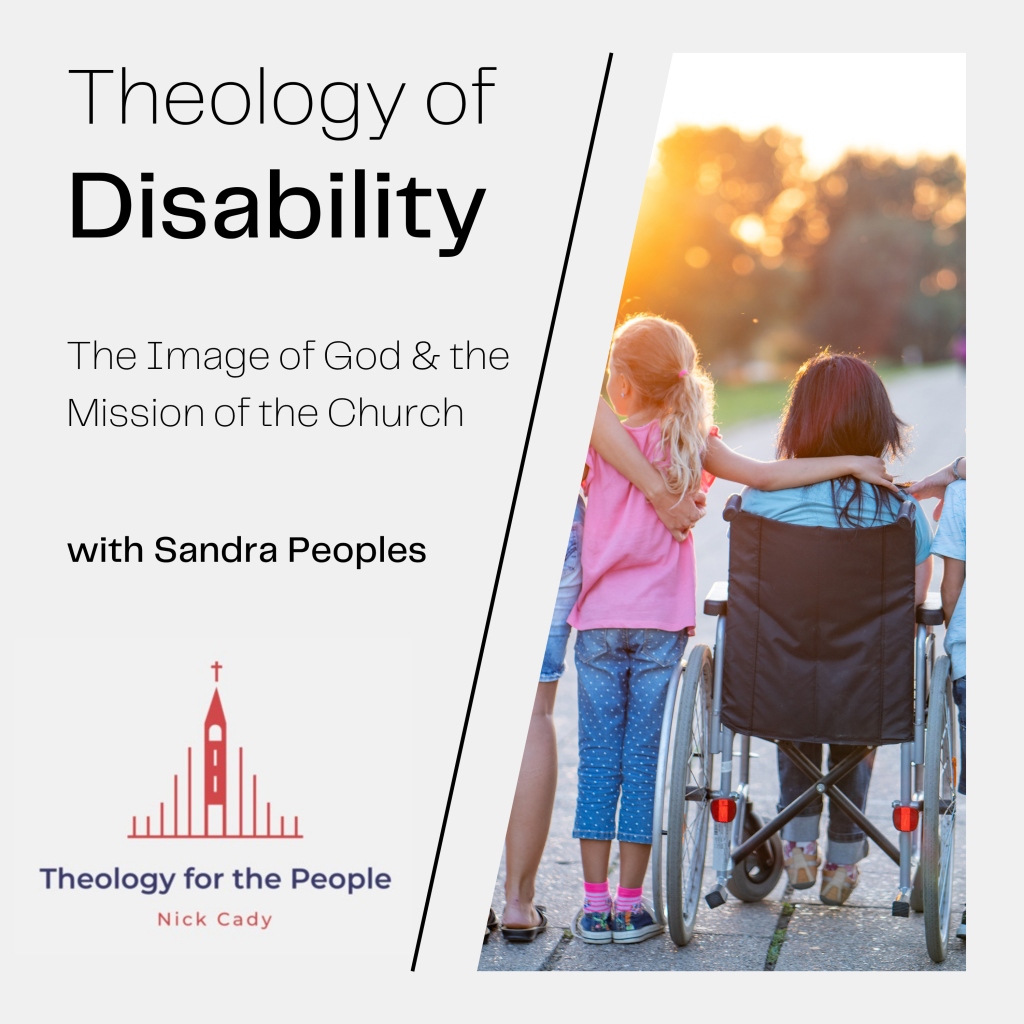
Sandra shares from personal experience as both a sister and mother of individuals with disabilities, and she casts a compelling vision for churches to become accessible and inclusive to people of all ability levels.
They explore the theological foundations for understanding disability, the relational and spiritual impacts of accessibility, and practical ways churches of any size can serve individuals and families affected by disability.
Whether you’re a pastor, ministry leader, or church member, this conversation will challenge and equip you to take steps toward a more inclusive and grace-filled church culture.
Theology of Disability: the Image of God & the Mission of the Church – with Sandra Peoples –
Theology for the People
In this episode, Nick Cady is joined by Sandra Peoples — a disability ministry consultant, author, and pastor's wife — to discuss her new book: Accessible Church: A Gospel-Centered Vision for Including People with Disabilities and Their FamiliesSandra shares from personal experience as both a sister and mother of individuals with disabilities, and she casts a compelling vision for churches to become accessible and inclusive to people of all ability levels.They explore the theological foundations for understanding disability, the relational and spiritual impacts of accessibility, and practical ways churches of any size can serve individuals and families affected by disability. Whether you're a pastor, ministry leader, or church member, this conversation will challenge and equip you to take steps toward a more inclusive and grace-filled church culture.👉 Learn more about Sandra’s work and resources at sandrapeoples.comFind articles and more content at TheologyforthePeople.com
I have recently started posting more on the Theology for the People YouTube channel. You can watch this interview on video here:
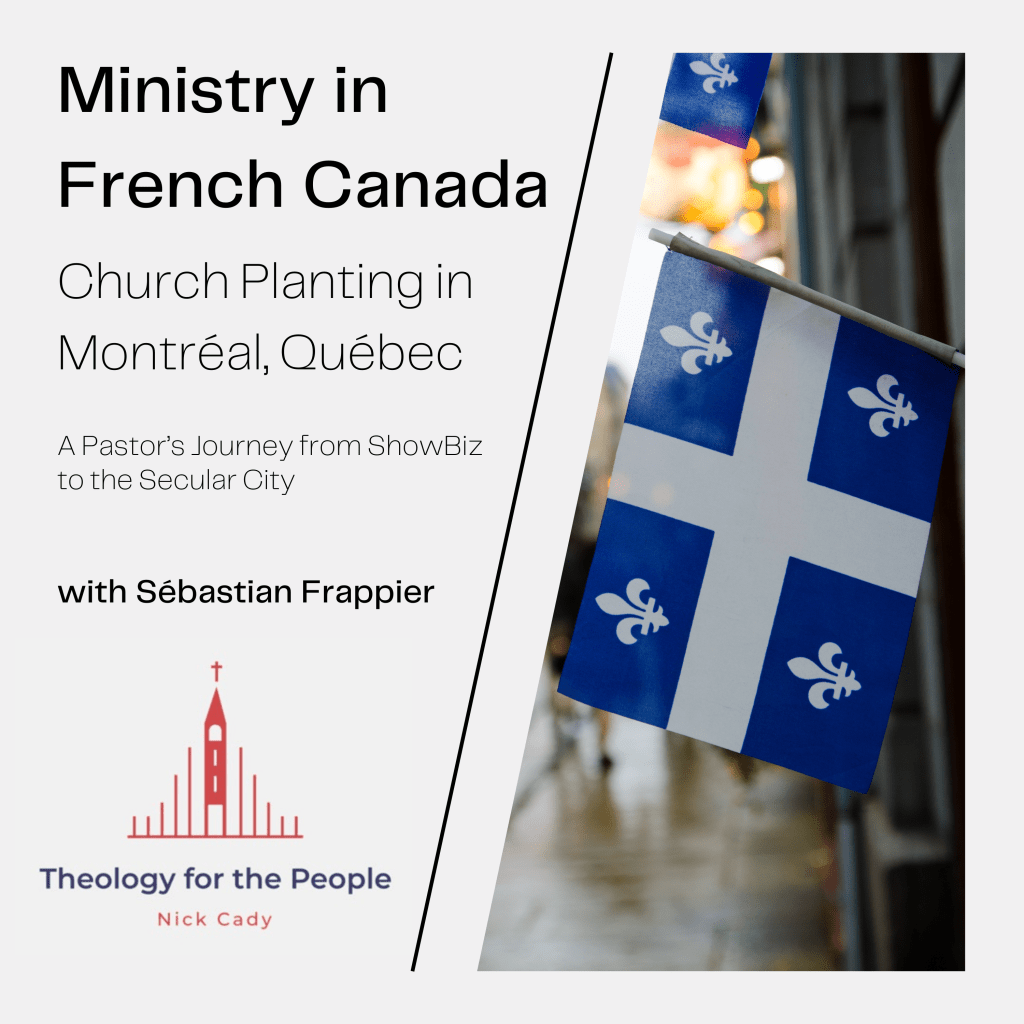
In this episode of the Theology for the People Podcast, I speak with Sébastien Frappier his incredible journey from a professional acting career to planting a church in the highly secular city of Montreal, Quebec.
Sebastian shares how a moment of spiritual emptiness led him to encounter Jesus through a Gideon Bible on Guadalupe Mountain in Texas. He reflects on his 12-year journey of preparation, the unique challenges of ministry in a post-Christian culture, and how his acting background informs his preaching and evangelism.
The conversation also covers the unique cultural and spiritual aspects of Quebec, effective evangelism strategies in Montreal, and the importance of discipleship in a context where biblical knowledge is minimal.
Sebastian offers practical advice for church planters in secular urban settings and shares how listeners can support Calvary Montreal’s mission.
Key Topics:
• Sebastian’s Journey to Faith: From a successful acting career in Montreal to a transformative encounter with Jesus while reading the Sermon on the Mount in Texas.
• Ministry in Montreal: The challenges of pastoring in a highly secular, post-Christian city with less than 0.3% evangelical Christians.
• Acting and Preaching: How Sebastian’s training in method acting and the Meisner technique shapes his passionate, authentic approach to teaching the Bible.
• Cultural Context of Quebec: The impact of the Quiet Revolution, the decline of Catholicism, and the rise of humanism in Quebec’s spiritual landscape.
• Evangelism Strategies: The effectiveness of street and subway evangelism in Montreal, emphasizing authenticity and genuine relationships over large-scale events.
• Discipleship in a Secular Context: Focusing on basic biblical teachings and one-on-one discipleship due to limited biblical literacy among new believers.
• Challenges and Encouragement: Sebastian’s experience with a recent church split, the financial struggles of ministry in Quebec, and the joy of seeing individual souls saved.
• Call to Action: How listeners can pray for, support, or participate in short-term mission trips to support Calvary Montreal.
• Calvary Montreal Website:calvarymontreal.com – Find information on the church, how to get involved, and support their mission.
Ministry in French Canada: Church Planting in Montreal, Quebec – with Sebastien Frappier –
Theology for the People
In this episode, Nick Cady in joined by Sebastian Frappier, to discuss his incredible journey from a professional acting career to planting a church in the highly secular city of Montreal, Quebec. Sebastian shares how a moment of spiritual emptiness led him to encounter Jesus through a Gideon Bible on Guadalupe Mountain in Texas. He reflects on his 12-year journey of preparation, the unique challenges of ministry in a post-Christian culture, and how his acting background informs his preaching and evangelism. The conversation also covers the unique cultural and spiritual aspects of Quebec, effective evangelism strategies in Montreal, and the importance of discipleship in a context where biblical knowledge is minimal. Sebastian offers practical advice for church planters in secular urban settings and shares how listeners can support Calvary Montreal’s mission.Sebastian’s Journey to Faith: From a successful acting career in Montreal to a transformative encounter with Jesus while reading the Sermon on the Mount in Texas.Ministry in Montreal: The challenges of pastoring in a highly secular, post-Christian city with less than 0.3% evangelical Christians.Acting and Preaching: How Sebastian’s training in method acting and the Meisner technique shapes his passionate, authentic approach to teaching the Bible.Cultural Context of Quebec: The impact of the Quiet Revolution, the decline of Catholicism, and the rise of humanism in Quebec’s spiritual landscape.Evangelism Strategies: The effectiveness of street and subway evangelism in Montreal, emphasizing authenticity and genuine relationships over large-scale events.Discipleship in a Secular Context: Focusing on basic biblical teachings and one-on-one discipleship due to limited biblical literacy among new believers.Challenges and Encouragement: Sebastian’s experience with a recent church split, the financial struggles of ministry in Quebec, and the joy of seeing individual souls saved.Call to Action: How listeners can pray for, support, or participate in short-term mission trips to support Calvary Montreal.Calvary Montreal Website: calvarymontreal.com – Find information on the church, how to get involved, and support their mission.Subscribe to Theology for the People for more inspiring conversations about faith and ministry.Share this episode with friends or your church community to raise awareness about the mission in Montreal.Visit the Theology for the People website at theologyforthepeople.com



 Theology for the People