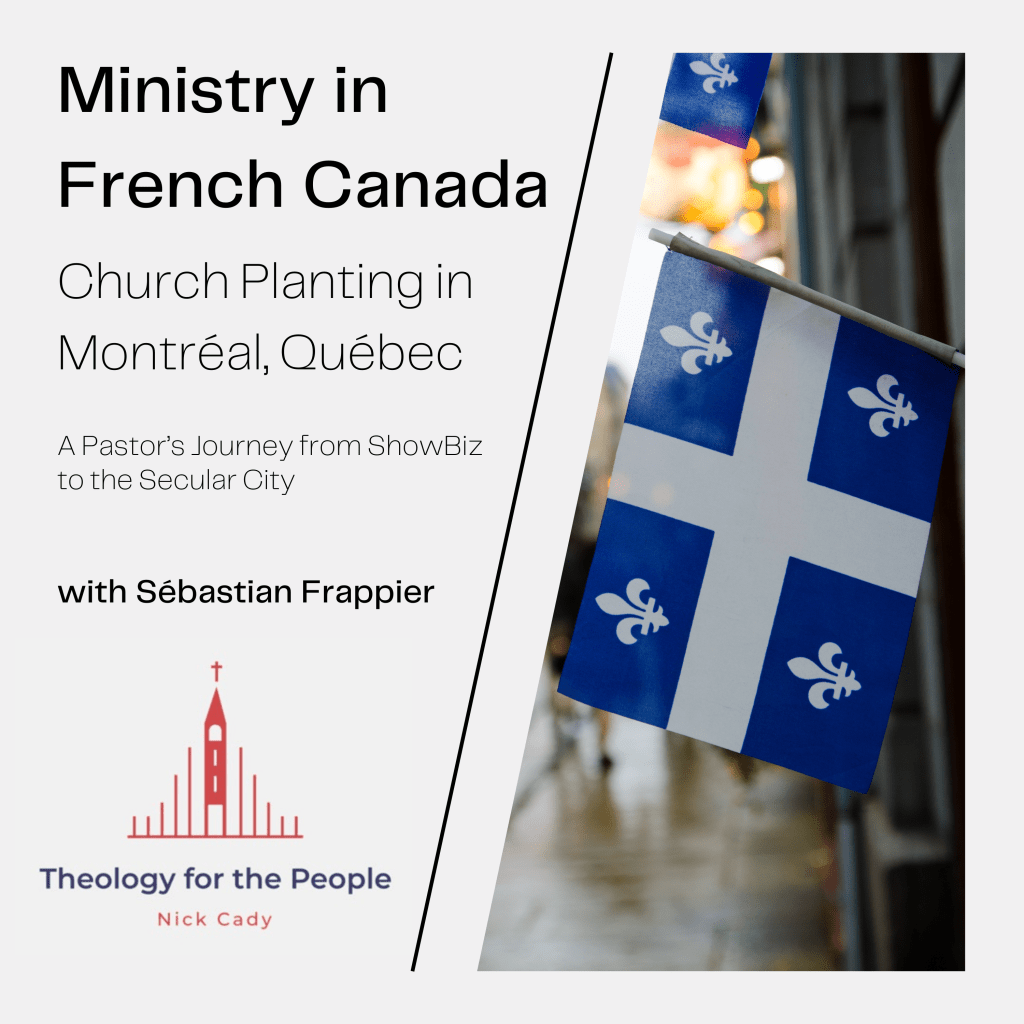
Ministry in French Canada: A Pastor’s Journey from ShowBiz to the Secular City – with Sébastien Frappier

In this episode of the Theology for the People Podcast, I speak with Sébastien Frappier his incredible journey from a professional acting career to planting a church in the highly secular city of Montreal, Quebec.

Sebastian shares how a moment of spiritual emptiness led him to encounter Jesus through a Gideon Bible on Guadalupe Mountain in Texas. He reflects on his 12-year journey of preparation, the unique challenges of ministry in a post-Christian culture, and how his acting background informs his preaching and evangelism.

The conversation also covers the unique cultural and spiritual aspects of Quebec, effective evangelism strategies in Montreal, and the importance of discipleship in a context where biblical knowledge is minimal.

Sebastian offers practical advice for church planters in secular urban settings and shares how listeners can support Calvary Montreal’s mission.

Key Topics:

Sebastian’s Journey to Faith: From a successful acting career in Montreal to a transformative encounter with Jesus while reading the Sermon on the Mount in Texas.

Ministry in Montreal: The challenges of pastoring in a highly secular, post-Christian city with less than 0.3% evangelical Christians.

Acting and Preaching: How Sebastian’s training in method acting and the Meisner technique shapes his passionate, authentic approach to teaching the Bible.

Cultural Context of Quebec: The impact of the Quiet Revolution, the decline of Catholicism, and the rise of humanism in Quebec’s spiritual landscape.

Evangelism Strategies: The effectiveness of street and subway evangelism in Montreal, emphasizing authenticity and genuine relationships over large-scale events.

Discipleship in a Secular Context: Focusing on basic biblical teachings and one-on-one discipleship due to limited biblical literacy among new believers.

Challenges and Encouragement: Sebastian’s experience with a recent church split, the financial struggles of ministry in Quebec, and the joy of seeing individual souls saved.

Call to Action: How listeners can pray for, support, or participate in short-term mission trips to support Calvary Montreal.

Calvary Montreal Website: calvarymontreal.com – Find information on the church, how to get involved, and support their mission.

Click here to listen to the episode, or listen in the embedded player below.

Ministry in French Canada: Church Planting in Montreal, Quebec – with Sebastien Frappier Theology for the People

In this episode, Nick Cady in joined by Sebastian Frappier, to discuss his incredible journey from a professional acting career to planting a church in the highly secular city of Montreal, Quebec. Sebastian shares how a moment of spiritual emptiness led him to encounter Jesus through a Gideon Bible on Guadalupe Mountain in Texas. He reflects on his 12-year journey of preparation, the unique challenges of ministry in a post-Christian culture, and how his acting background informs his preaching and evangelism. The conversation also covers the unique cultural and spiritual aspects of Quebec, effective evangelism strategies in Montreal, and the importance of discipleship in a context where biblical knowledge is minimal. Sebastian offers practical advice for church planters in secular urban settings and shares how listeners can support Calvary Montreal’s mission.Sebastian’s Journey to Faith: From a successful acting career in Montreal to a transformative encounter with Jesus while reading the Sermon on the Mount in Texas.Ministry in Montreal: The challenges of pastoring in a highly secular, post-Christian city with less than 0.3% evangelical Christians.Acting and Preaching: How Sebastian’s training in method acting and the Meisner technique shapes his passionate, authentic approach to teaching the Bible.Cultural Context of Quebec: The impact of the Quiet Revolution, the decline of Catholicism, and the rise of humanism in Quebec’s spiritual landscape.Evangelism Strategies: The effectiveness of street and subway evangelism in Montreal, emphasizing authenticity and genuine relationships over large-scale events.Discipleship in a Secular Context: Focusing on basic biblical teachings and one-on-one discipleship due to limited biblical literacy among new believers.Challenges and Encouragement: Sebastian’s experience with a recent church split, the financial struggles of ministry in Quebec, and the joy of seeing individual souls saved.Call to Action: How listeners can pray for, support, or participate in short-term mission trips to support Calvary Montreal.Calvary Montreal Website: calvarymontreal.com – Find information on the church, how to get involved, and support their mission.Subscribe to Theology for the People for more inspiring conversations about faith and ministry.Share this episode with friends or your church community to raise awareness about the mission in Montreal.Visit the Theology for the People website at theologyforthepeople.com

I Was Interviewed by Hungarian Media about Christianity in America

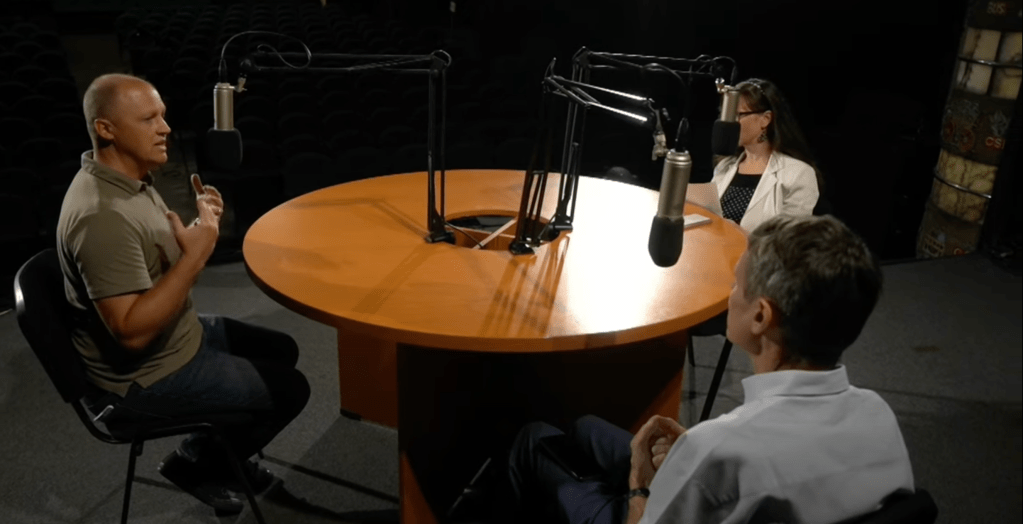
This past summer, during my sabbatical, I was interviewed by Manna FM in Hungary, in partnership with Golgota Budapest.

The primary focus of the questions in the interview were about Christianity in America, as well as my perspective on the openness of Hungarians to the Gospel. Of particular interest to them was the question of woke culture in America and how this impacts Christians in the form of discrimination and in our efforts to preach the gospel.

I also talk about my sabbatical, moving to the US from Hungary, how I became a Christian, and what life is like for American teenagers.

The interview is bilingual – in Hungarian and English. Check it out, and share it with others if you find it interesting:

Loving the Ones Who Drive You Crazy: How and Why Christians Should Pursue Unity in the Church – with Jamie Dunlop

In this episode of the Theology for the People Podcast, I speak with Jamie Dunlop. Jamie is an associate pastor at Capitol Hill Baptist Church, in Washington D.C. and the author of the book, Love the Ones Who Drive You Crazy: Eight Truths for Pursuing Unity in Your Church.

Jamie’s church is only a few blocks from the U.S. Capitol building, and Jamie discusses how their church has navigated some of the difficult social issues of the past few years by determining to be a “Christ alone” type of church.

In this episode, we discuss the goal of Christian unity in the midst of a divided society, and how to pursue it. Where do you draw the lines?  How do you determine which issues are primary issues?  And why is it important to love those who are different from you, in the Body of Christ?

Click here to listen to the episode, or listen in the embedded player below.

Loving the Ones Who Drive You Crazy: How and Why Christians Should Pursue Unity in the Church – with Jamie Dunlop Theology for the People

Jamie Dunlop is an associate pastor at Capitol Hill Baptist Church, in Washington D.C. and the author of the book, Love the Ones Who Drive You Crazy: Eight Truths for Pursuing Unity in Your Church. Jamie's church is only a few blocks from the U.S. Capitol building, and Jamie discusses how their church has navigated some of the difficult social issues of the past few years by determining to be a “Christ alone” type of church. In this episode, we discuss the goal of Christian unity in the midst of a divided society, and how to pursue it. Where do you draw the lines?  How do you determine which issues are primary issues?  And why is it important to love those who are different from you, in the Body of Christ? episodeleave a written review on Apple Podcasts or Spotify. People

Go and Do Likewise: The Role of Acts of Mercy in the Mission of Jesus – with Amy DiMarcangelo

In the Parable to the Good Samaritan, Jesus concludes the parable with this phrase: “Go and Do Likewise.” What then is the role of “acts of mercy” or providing for physical needs, in regard to the Great Commission we’ve received from Jesus: to go into the world and preach the Gospel to all people?

In this episode of the Theology for the People Podcast, I speak with Amy DiMarcangelo. Amy is an author, a mom, and a seminarian who cares deeply about engaging in the mission of God in a holistic way. She and her husband have adopted a child, and they are involved in caring for refugees in their community.

Amy’s recent book is called, Go and Do Likewise: A Call to Follow Jesus in a Life of Mercy and Mission.

In this episode, Amy and I talk about the “social gospel” and evangelism, and about developing a holistic approach to meeting people’s physical and spiritual needs. We also share our stories of working with refugees, including how my father in law, who was a refugee from Hungary, came to faith in Jesus.

Click here to listen to the episode, or listen in the embedded player below.

Go and Do Likewise: the Role of Acts of Mercy in the Mission of Jesus – with Amy DiMarcangelo Theology for the People

In the Parable to the Good Samaritan, Jesus concludes the parable with this phrase: “Go and Do Likewise.” What then is the role of “acts of mercy” or providing for physical needs, in regard to the Great Commission we’ve received from Jesus: to go into the world and preach the Gospel to all people? Amy DiMarcangelo is an author, a mom, and a seminarian who cares deeply about engaging in the mission of God in a holistic way. She and her husband have adopted a child, and they are involved in caring for refugees in their community. Amy's recent book is called, Go and Do Likewise: A Call to Follow Jesus in a Life of Mercy and Mission. In this episode, Amy and I talk about the “social gospel” and evangelism, and about developing a holistic approach to meeting people’s physical and spiritual needs. We also share our stories of working with refugees, including how my father in law, who was a refugee from Hungary, came to faith in Jesus. Make sure to check out the Theology for the People website at nickcady.org

Digital Liturgies: How the Internet Impacts Christian Discipleship – with Samuel James

The internet is a tool that nearly everyone uses on a daily basis, but what impact does it have on us in regard to Christian discipleship?

In this episode of the Theology for the People Podcast, I speak with Samuel James. Samuel is the associate acquisitions editor at Crossway Publishing. He is the author of Digital Liturgies, a regular Substack newsletter focused on Christianity, technology, and culture.

In this discussion, Samuel and I talk about how digital devices have transformed the way that communities and churches function, and what challenges these technologies pose for us as individuals seeking to follow Jesus.

Samuel’s recent book is called Digital Liturgies: Rediscovering Christian Wisdom in a Digital Ageand in it, he outlines strategies for faithful discipleship in an online age.

Click here to listen to the episode, or listen in the embedded player below.

Digital Liturgies: How the Internet Impacts Christian Discipleship – with Samuel James Theology for the People

The internet is a tool that nearly everyone uses on a daily basis, but what impact does it have on us in regard to Christian discipleship? How have digital devices transformed the way that communities and churches, function, and what challenges do these technologies pose for us as individuals seeking to follow Jesus? Samuel James is the author of the book: Digital Liturgies: Rediscovering Christian Wisdom in a Digital Age, and in this discussion we talk about strategies for faithful discipleship in an online age. Visit the Theology for the People website at nickcady.org

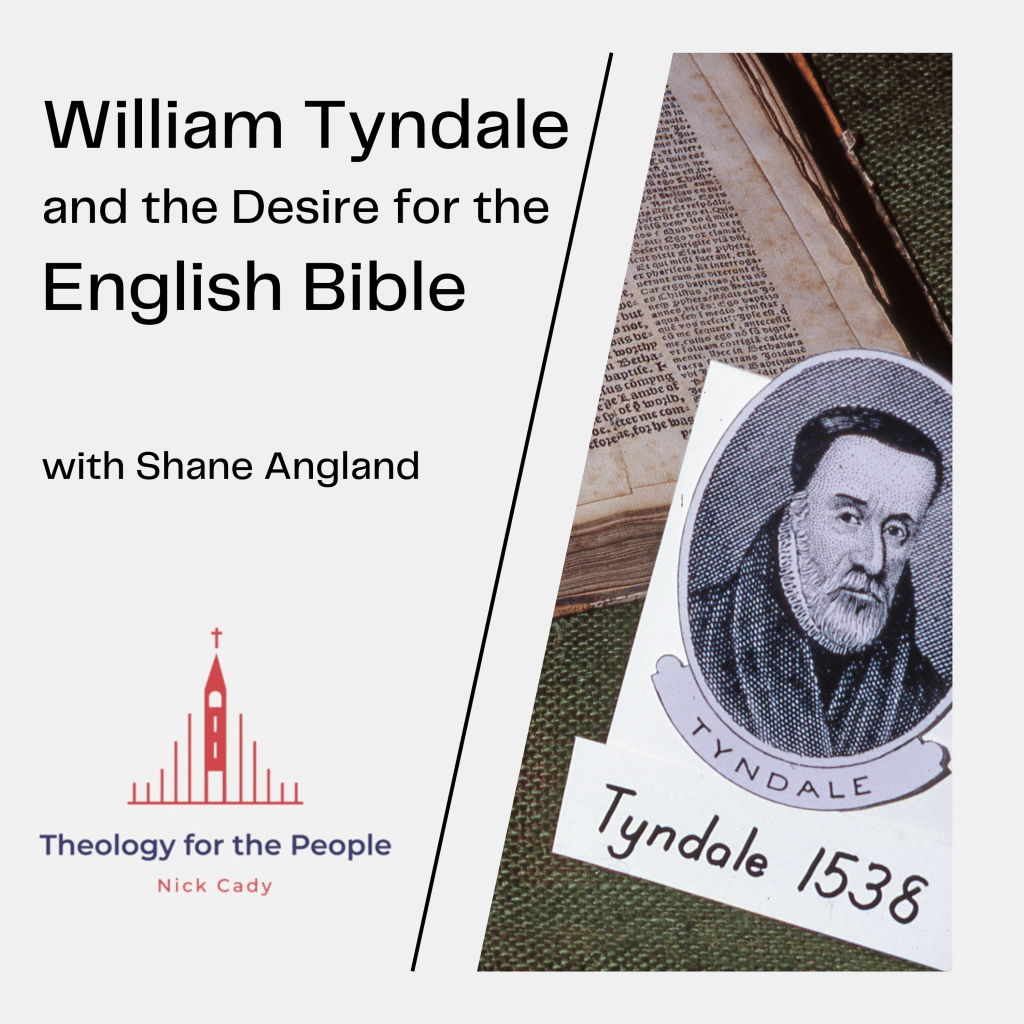
William Tyndale and the Desire for the English Bible – with Shane Angland

If you read the Bible in English, you may not realize all of the drama and sacrifices that went into getting the Bible translated into the English language. 

In this episode of the Theology for the People Podcast, I speak with Shane Angland of Ennis Evangelical Church in County Clare, Ireland. Shane holds a Master of Divinity degree from Dallas Theological Seminary, and specializes in historical theology.

Shane and I speak about William Tyndale: an English biblical scholar and linguist who became a leading figure in the Protestant Reformation, until he was executed for his beliefs. Tyndale created the first English translation of the New Testament from the original Greek text and was working on translating the Old Testament from Hebrew. Much of his work can still be seen in the way the Bible is translated into English to this day. 

Click here to listen to the episode, or listen in the embedded player below.

William Tyndale and the Desire for the English Bible – with Shane Angland Theology for the People

If you read the Bible in English, you may not realize all of the drama and sacrifices that went into getting the Bible translated into the English language.  William Tyndale was an English biblical scholar and linguist who became a leading figure in the Protestant Reformation, until he was executed for his beliefs. Tyndale created the first English translation of the New Testament from the original Greek text and was working on translating the Old Testament from Hebrew. Much of his work can still be seen in the way the Bible is translated into English to this day.  In this episode, my guest is Shane Angland of Ennis Evangelical Church in County Clare, Ireland. Shane holds a Masters of Divinity from Dallas Theological Seminary, and specializes in historical theology.

Understanding the Person and Work of the Holy Spirit – with Fred Sanders

Who is the Holy Spirit, and how does an understanding of the person and work of the Holy Spirit contribute to our life and faith as believers in Jesus?

In this episode of the Theology for the People podcast, I speak with Fred Sanders. Fred is professor of theology at the Torrey Honors College at Biola University. He is the author of a much sought-after series of theological comic books, as well as the recently published book, The Holy Spirit: An Introduction, which is part of the Short Studies in Systematic Theology series put out by Crossway Publishing.

Fred has focused much of his theological work on the topic of the Trinity, so when it comes to talking about the person and work of the Holy Spirit, he has a unique and helpful perspective.

In this episode we talk about what the Bible says and doesn’t say about the Holy Spirit, whether it’s okay to pray to the Holy Spirit, and more.

Click here to listen to the episode, or listen in the embedded player below.

Understanding the Person and Work of the Holy Spirit – with Fred Sanders Theology for the People

Who is the Holy Spirit, and how does an understanding of the person and work of the Holy Spirit contribute to our life and faith as believers in Jesus?  Fred Sanders is professor of theology at the Torrey Honors College at Biola University. He is the author of a much sought-after series of theological comic books, as well as the recently published book, The Holy Spirit: an Introduction, which is part of the Short Studies in Systematic Theology series put out by Crossway Publishing. Fred has focused much of his theological work on the topic of the Trinity, so when it comes to talking about the person and work of the Holy Spirit, he has a unique and helpful perspective.  In this episode we talk about what the Bible says and doesn’t say about the Holy Spirit, whether it’s okay to pray to the Holy Spirit, and more. Make sure to visit the Theology for the People website at nickcady.org

Mental Health & the Bible – with David Murray

How should we, as Christians think about mental health and mental illness? Are there ways in which the Bible gives us insights into treating mental illness, that go beyond what modern secular scholarship can provide?

In this episode of the Theology for the People Podcast, I speak with David Murray.  David Murray holds a PhD from Vrije Universiteit Amsterdam and has pastored churches in Scotland and the USA. He is also a counselor, and the author of several books, including the latest, which he co-authored, A Christian’s Guide to Mental Illness: Answers to 30 Common Questions.

In our discussion, David talks about his own struggles with mental illness, and about how the Bible gives us the best possible framework for dealing with issues that are often both spiritual and physical in nature.

Click here to listen to the episode, or listen in the embedded player below.

Mental Health & the Bible – with David Murray Theology for the People

How should we, as Christians think about mental health and mental illness? Are there ways in which the Bible gives us insights into treating mental illness, that go beyond what modern secular scholarship can provide? In this episode, I speak with David Murray.  David Murray holds a PhD from Vrije Universiteit Amsterdam and has pastored churches in Scotland and the USA. He is also a counselor, and the author of several books, including the latest, which he co-authored, A Christian’s Guide to Mental Illness: Answers to 30 Common Questions. In our discussion, David talks about his own struggles with mental, and about how the Bible gives us the best possible framework for dealing with issues that are often both spiritual and physical in nature.

Explaining the Three Main Views on Eschatology

For many people, the study of the “End Times” can feel mysterious and disorienting. But, upon examination, what you find is that there are really only three main lenses through which people interpret the eschatological texts in the Bible.

In this episode of the Theology for the People Podcast, my friend Aaron Salvato from the Good Lion Podcast, interviews me about the end times passages in the Bible and I lay out the three different ways these passages have been interpreted, and why. 

I outline the futurist, preterist, and idealist positions, and explain how they correspond to premillennialism, postmillennialism, and amillennialism. I also weigh the strengths and weaknesses underlying these different interpretations.

Click here to listen to the episode, or listen in the embedded player below.

Explaining the Three Main Views on Eschatology Theology for the People

For many people, the study of the “end times” can feel mysterious and disorienting. But, upon examination, what you find is that there are really only three main lenses through which people interpret the eschatological texts in the Bible. In this episode, my friend Aaron Salvato from the Good Lion Podcast, interviews me about the end times passages in the Bible and I lay out the three different ways these passages have been interpreted, and why.  I outline the futurist, preterist, and idealist positions, and explain how they correspond to premillennialism, postmillennialism, and amillennialism. I also weigh the strengths and weaknesses underlying these different interpretations. Make sure to visit the Theology for the People website at nickcady.org

How Psalm 23 is a Microcosm of the Bible – with David Gibson

Psalm 23 is one of the most well-known and beloved passages in the Bible. It is often read at funerals, or at times when people are in need of comfort. And yet, there is more to this Psalm than many people realize.

In this episode of the Theology for the People podcast, I speak with David Gibson, the Minister of Trinity Church in Aberdeen, Scotland, and the author of several books, including his latest, The Lord of Psalm 23: Jesus Our Shepherd, Companion, and Host.

According to David, Psalm 23 echoes the major themes of the Bible and foreshadows God’s saving work through Jesus – in a way that is wonderful, edifying, and encouraging. Rather than being a Psalm for death – he wants to show us how this is a passage about life, for those who follow Jesus!

Click here to listen to the episode, or listen in the embedded player below.

Why Psalm 23 is a Microcosm of the Bible – with David Gibson Theology for the People

Psalm 23 is one of the most well-known and beloved passages in the Bible. It is often read at funerals, or at times when people are in need of comfort.  And yet, there is more to this Psalm than many people realize. According to my guest, David Gibson, Psalm 23 echoes the major themes of the Bible and foreshadows God’s saving work through Jesus – in a way that is wonderful, edifying, and encouraging.  Rather than being a Psalm for death – he wants to show us how this is a passage about life, for those who follow Jesus! David Gibson is the minister of Trinity Church in Aberdeen, Scotland, and the author of several books, including his latest: The Lord of Psalm 23: Jesus Our Shepherd, Companion, and Host. Make sure to check out the Theology for the People website at nickcady.org