A bill that would have decriminalized sex work among consenting adults in Colorado was abandoned just hours before it was set to come up for a first vote in the state Capitol this week.
State Sen. Lisa Cutter, a Democrat who represents Jefferson County and one of the bill’s co-sponsors, told Denver7 Tuesday Senate Bill 97 was being pulled from the Senate Judiciary Agenda scheduled for Wednesday because it failed to garner enough votes to make it out of committee.
Why the Bill Failed
According to news sources, the withdrawal comes after weeks of intense pushback from law enforcement, religious leaders, and advocates for trafficking survivors. While proponents framed the bill as a way to increase safety for sex workers, the reality was much darker. As we discussed in our previous post, decriminalization without regulation—essentially a “hands-off” approach by the state, threatened to turn Colorado into a magnet for traffickers by dramatically increasing the demand for prostitution.
As discussed in that post, prostitution is not a victimless crime; it tends to prey upon the vulnerabilities of the hurting and those in desperate situations, and almost always involves abuse and exploitation. For those who believe in the inherent dignity of human beings due to us being created in the image of God, this is an answer to prayer and a testament to the power of people in the community making their voices heard.
Still Much to Be Done
While we celebrate this result, the withdrawal (for now) of this bill does not mean the end of the sex trade or the suffering of those trapped within it. Our church will continue to support organizations like the Anonymous Ways Foundation and other efforts to provide a “way out” for those on the streets.
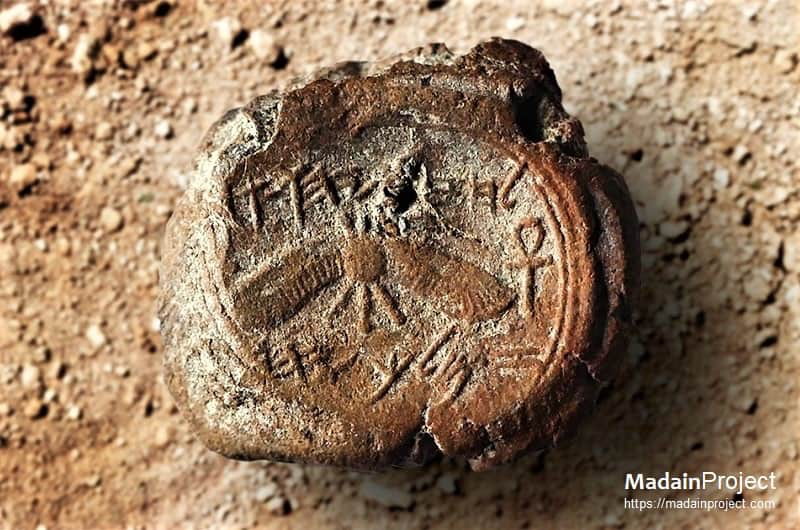
As I looked at this picture, I saw on it a familiar symbol: it looks like a cross, but it has an oval on the top.
At first glance it might appear to be a version of a cross. However, King Hezekiah lived long before Jesus was born.
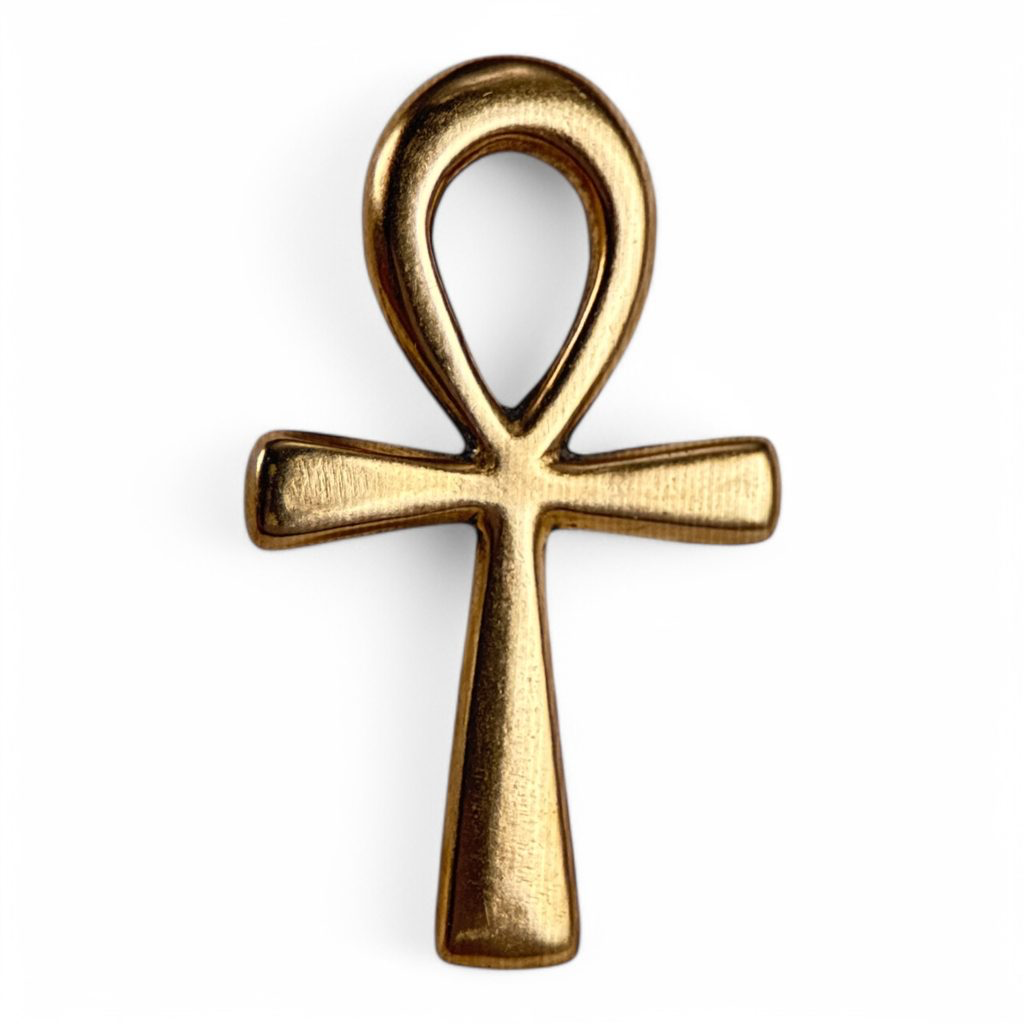
That symbol is not a cross, it is an ancient Egyptian hieroglyph called an “Ankh,” and it represents “life.”
So, you might wonder (as I did): “What is an Egyptian symbol doing on Hezekiah’s seal?”
The Discovery of Hezekiah’s Seal
King Hezekiah’s royal seal, or bulla, was discovered in 2015 near the foot of the Temple Mount in Jerusalem. It bears the inscription, “Belonging to Hezekiah [son of] Ahaz king of Judah,” and features a two-winged sun disk, flanked by an ankh. It is just one more in the long line of archaeological evidence which verifies the historicity of the biblical account.
Hezekiah (2 Kings 18-20, 2 Chronicles 29-32) reigned from about 715–686 BC, and he was one of Judah’s most righteous kings. He is praised for his unwavering devotion to the God of Israel and his radical reforms. He famously tore down the high places, smashed sacred stones, and cut down Asherah poles, all of which were associated with idolatrous worship that had become ingrained in Jewish society. He broke into pieces the bronze snake called “Nehushtan,” which Moses had made, because the people had started worshiping it (2 Kings 18:4).
In light of this, it seems confusing and even perplexing to see an Egyptian symbol, from a pagan culture, on King Hezekiah’s royal seal. How could a king so committed to removing pagan idolatry use an Egyptian emblem to identify himself?
The Ankh: The Egyptian Symbol of Life
The Ankh is one of the most recognizable symbols from ancient Egypt. It is a hieroglyph that translates to “life” and it served as a representation of both physical life on Earth and eternal life in the afterlife.
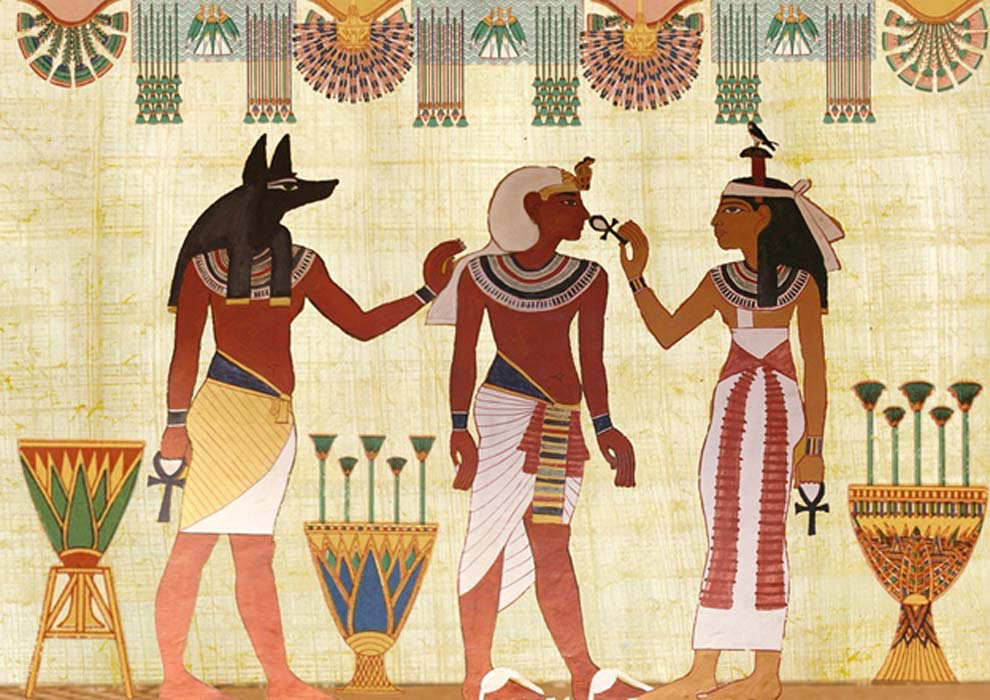
In Egyptian art, gods and goddesses, like Isis, Osiris, and Ra, were frequently depicted holding the ankh, often offering it to pharaohs as a “breath of life” or a bestowal of divine vitality and immortality. It was carved into temple walls, etched onto sarcophagi, and fashioned into amulets worn for protection and longevity.
Why Is There an Ankh on Hezekiah’s Seal?
We can’t be completely sure why Hezekiah chose to use this symbol on his royal seal, but there are three possible explanations:
1. Maybe the Ankh had changed into a cross-cultural symbol by Hezekiah’s time
By the 8th century BC, when Hezekiah was alive, some scholars say that the ankh had transcended its Egyptian religious context and become a more generalized, “loan-word” symbol for “life” or “good fortune” across the ancient Near East.
There are several examples we can think of today for reference, such as the “heart” symbol, used as a symbol for love. Furthermore, the swastika is an example of a symbol which had its origin in Hinduism, but now is seen as symbolizing the Nazi party and white supremacy. The Star of David is now universally acknowledged as representing the Jewish nation, but prior to its use in that way, it was used as a symbol in Buddhism. [1]
So, the meaning of symbols can change over time, and perhaps by the time of Hezekiah, the ankh may have become a secularized shorthand universally understood to represent vitality, prosperity, and longevity. On Hezekiah’s seal, this might have simply meant something like: “Long live the King.”
2. Maybe It Symbolized Hezekiah’s Miraculous Recovery
One theory suggests that the specific design on Hezekiah’s seal represents the pivotal event that took place towards the end of his life, when he fell mortally ill, but was then healed by God.
It is thought that perhaps the downturned wings of the sun disk and the ankh represent his fatal illness, and then his divine healing and the prolonging of his life. This seal, in that case, would have been used at the end of Hezekiah’s life, after his healing took place.
The story of Hezekiah’s illness and subsequent healing are found in 2 Kings 20 and Isaiah 38. After falling deathly ill, Hezekiah was told by the prophet Isaiah to set his house in order, because he was going to die. Hezekiah prayed, and God heard his plea, and gave him another 15 years of life. Sadly, those extra years were marked by lapses in judgment; during this time, he fathered Manasseh, who would grow up to be the most wicked king in Judah’s history, undoing nearly every godly reform his father had established. Also, when a Babylonian envoy visited, Hezekiah showed them all the all the treasures of the Temple and his kingdom, which led to a prophecy from Isaiah that all those riches, along with Hezekiah’s descendants, would one day be carried off into captivity in Babylon.
Some scholars believe that the two-winged sun disk is a symbol of divine protection, and may have been interpreted as a symbol of “the ‘Sun of Righteousness’ as in Malachi 4:2, which says “But for you who fear my name, the sun of righteousness shall rise with healing in its wings.”
If this is the case, then the ankh would be a symbol of life, as in: a memorial or statement that Hezekiah’s life was prolonged by God’s healing grace.
3. Maybe It Was an Attempt at Political Diplomacy
Other scholars suggest that since the Kingdom of Judah was a small state caught between the mighty empires of Assyria to the north and Egypt to the south, Hezekiah used the ankh symbol as a way to “fit in” on the world stage, or perhaps as a symbol of his alliance with Egypt – and being against Assyria.
Alas, one final option, related to this, is that perhaps Hezekiah’s use of this symbol was indeed a form of religious syncretism, either in a desire to win the favor of the Egyptians, or because he himself had begun to let pagan symbols, practices, or even beliefs creep into his heart.
Conclusion
The truth is, we don’t really know why the ankh was featured on Hezekiah’s seal, but considering the possible reasons for it leads you on a journey through the life of a man who was used greatly by God in his younger years, and who experienced incredible grace in the form of miraculous healing, but whose life ended tragically in unwise decisions that lacked faith in God.
Hezekiah could have heeded the words of the Prophet Isaiah warning him not to do those things and to repent. Hezekiah could have made continuing in and passing on the God-loving values of his younger years for the next generation. May God keep us from syncretism, and from the mistakes and failures of Hezekiah!
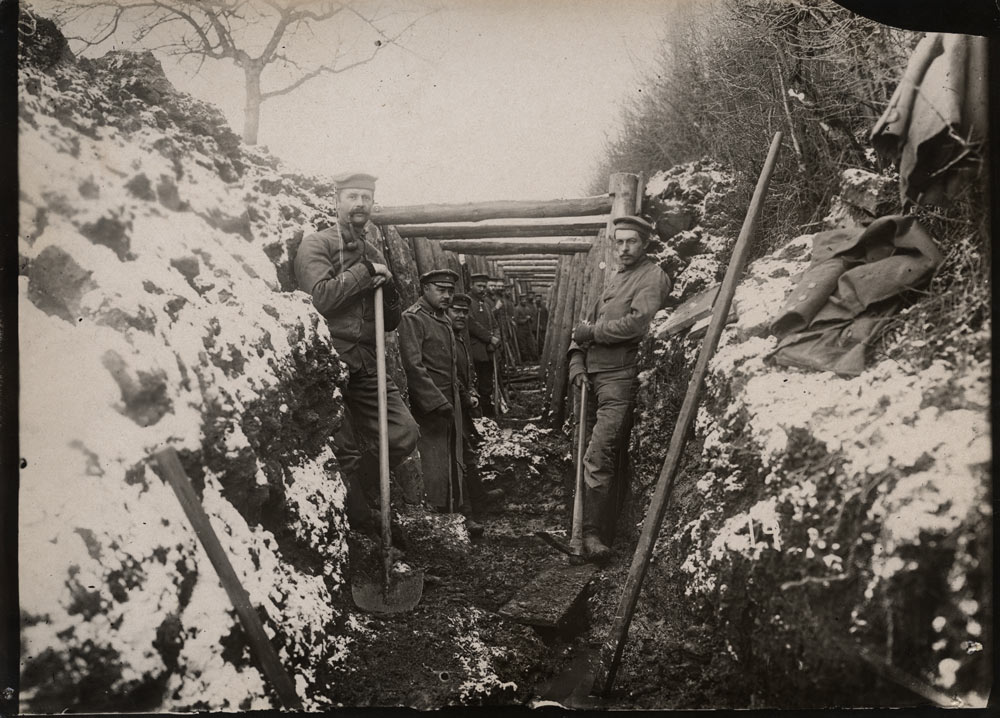
This recent Christmas Eve, I shared the story of the 1914 Christmas Eve Truce on the Western Front during World War 1.
After the second service, a woman came up to tell me that her great-grandfather had been one of the men in those trenches, and that a German soldier had secretly crossed no-man’s land on Christmas Eve to give him a Bible in Old Slavonic. This German soldier was a Baptist, and this woman’s great-grandfather became a Christian, joined a Baptist church in his hometown in Ukraine, and it has led to a legacy of faith lasting generations, all the way to her and her children today.
It was an incredible story. This woman, named Diana, is the wife of one of our pastors at White Fields. This week, I sat down with her for our “Sermon Extra” video, to discuss her great-grandfather’s experience, and to talk about what it was like for her, growing up in a Christian family in the Soviet Union, and then in independent Ukraine.
Below are two videos: first, the Christmas Eve sermon, where I tell the story of the 1914 Christmas Eve Truce, and what it reflects about the meaning of Christmas, and then the second video below is my discussion with Diana. Enjoy!
As a young Christian, by God’s providence, I ended up in a church which had been founded as a result of the “Jesus Movement” of the 1960’s and 70’s, which many people have said was the last great revival of our recent times.
My pastor, Tom Stipe, was a big part of the Jesus Movement and the famous stories of “the tent” at Calvary Chapel in Costa Mesa, CA – which was the temporary sanctuary the church used while their new building was being built. During those times, Tom oversaw the Saturday night outreaches with Christian bands, and then he would share the gospel with those who had gathered to hear the bands. Tom went on to found Maranatha! Music before moving to Colorado to plant a church in Boulder, which later moved to Denver – and which I joined early in early 2000.
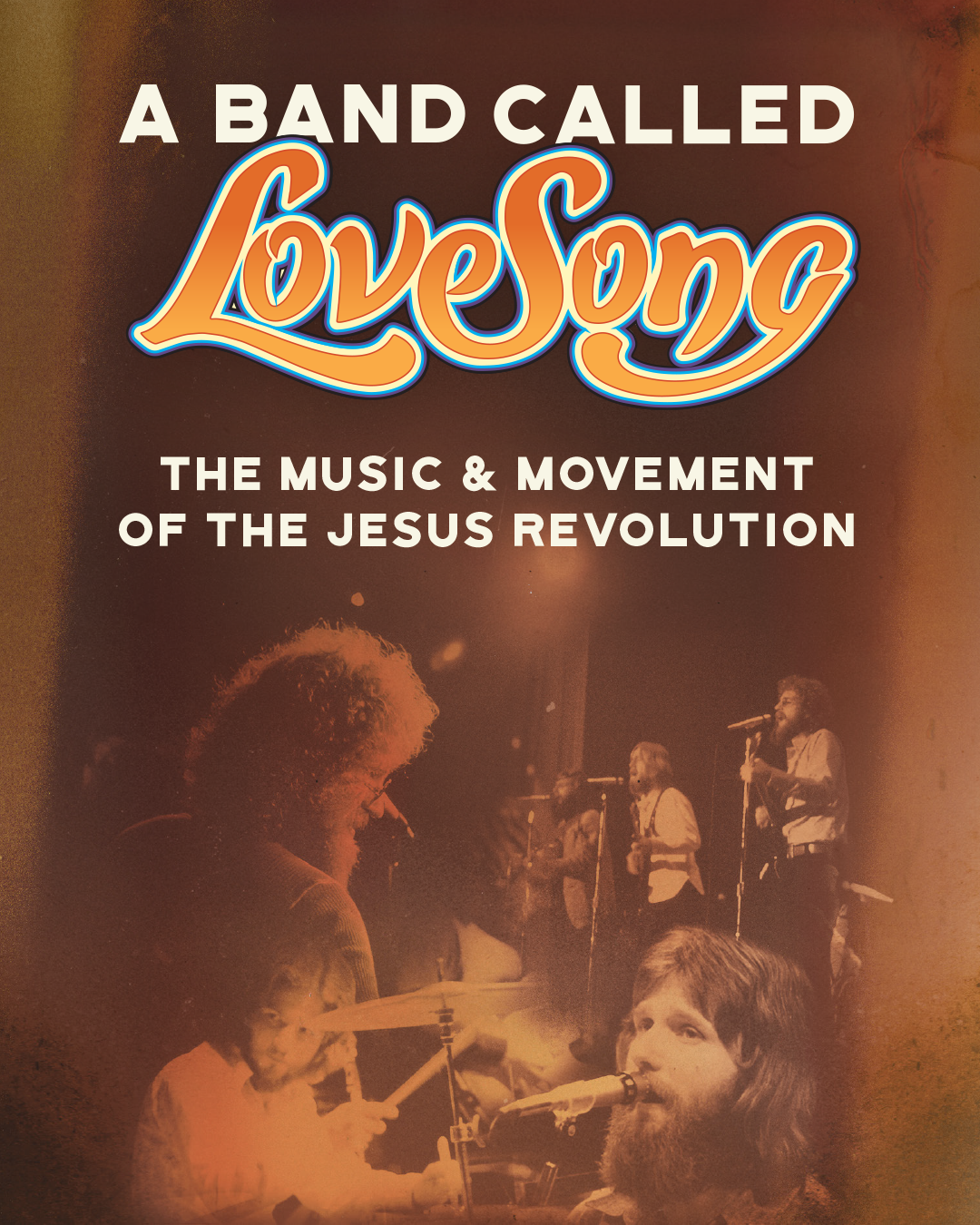
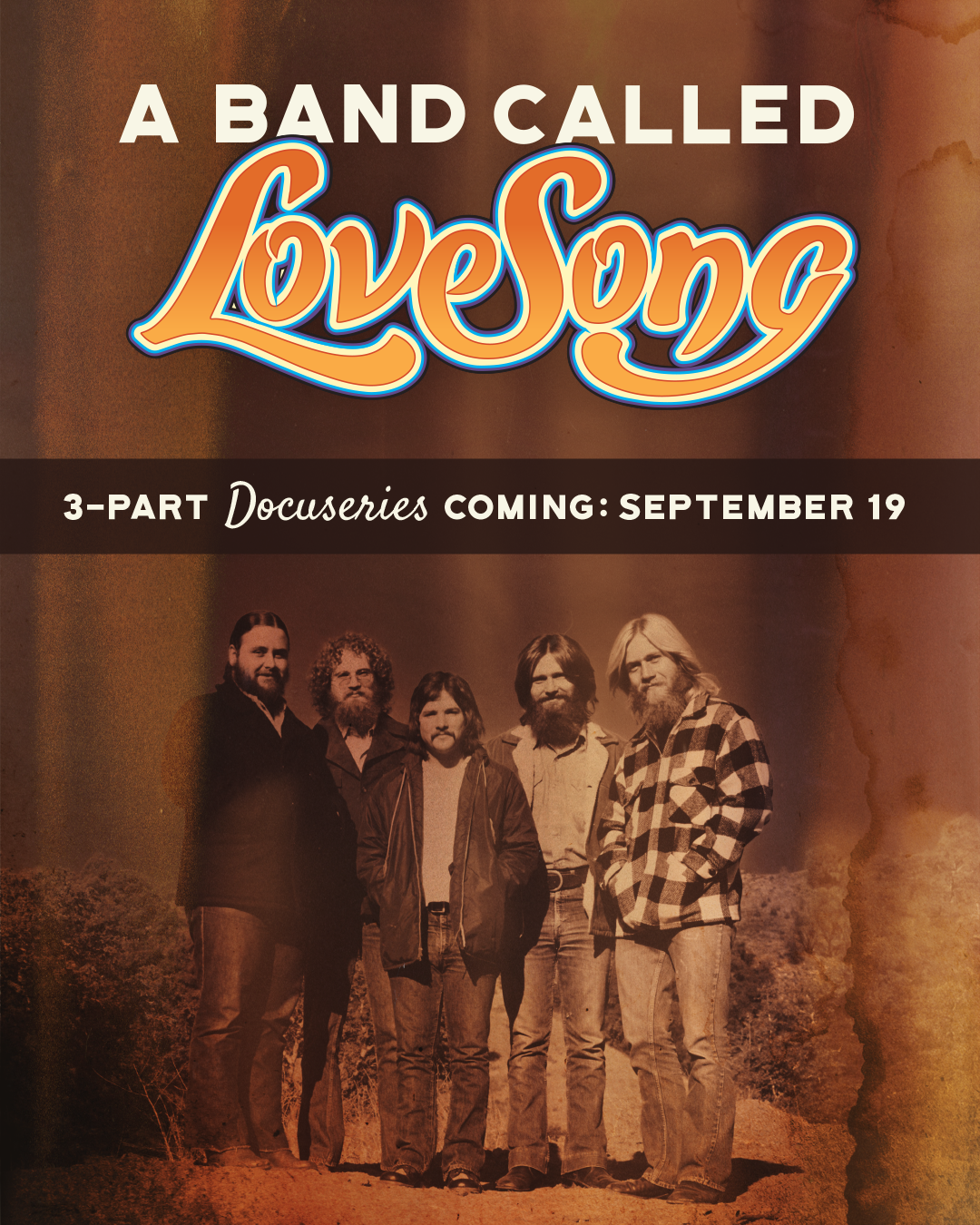
Recently a new documentary series came out about the music of the Jesus Movement, focused on one of the great bands from the era called LoveSong. The docuseries is out now on Amazon Prime Video and on SalemNOW. You can also find more information about it by visiting the aBandCalledLoveSong.com.
This documentary tells the story of the Jesus Movement through the eyes of the band, including their famous audition with Pastor Chuck Smith, and the birth of Contemporary Christian Music.
This docuseries reflects the essence and identity of the Calvary Chapel movement and the ongoing legacy of its ministry. I recommend that you check it out!
After my sermon on Matthew 28:1-15, someone asked a great question:
“How does Mary Magdalene weeping at the tomb in John 20:11-18 fit with Matthew’s account of the women meeting Jesus on the way in Matthew 28:8-10?”
After looking into it, there’s a simple and satisfying explanation. But also, this question touches on a larger issue, of how the different Gospel accounts fit together. The different Gospel writers give different perspectives which ultimately complement, rather than contradict each other.
The Women Who Went to the Tomb
Mary Magdalene (Matthew 28:1, Mark 16:1, Luke 24:10, John 20:1)
The other Mary (Matthew 28:1; Mark 15:40; Luke 24:10) — most likely Mary the mother of James and Joseph (also called Joses; cf. Matthew 27:56)
This seems to be the same person Mark calls “Mary the mother of James” (Mark 16:1)
Some people believe this is Mary the Mother of Jesus, while others believe it’s a separate person.
Salome (mother of James and John, the sons of Zebedee) (Mark 16:1)
Joanna (wife of Chuza, a steward in Herod’s household) (Luke 24:10, cf. Luke 8:3)
Other unnamed women who had followed Jesus from Galilee (Luke 23:55; 24:10)
All four Gospel accounts mention Mary Magdalene. John’s Gospel only mentions Mary Magdalene, not to the exclusion of the other women, but only to focus on her previously undocumented encounter with Jesus at the tomb. The fact that Mary Magdalene was not alone is alluded to by John 20:2, “They have taken the Lord out of the tomb, and we do not know where they have laid him.” The plural “we” indicates she wasn’t alone.
The Women Arrive at the Tomb, but Mary Leaves Immediately
As this group of women arrived at the tomb with spices to anoint Jesus’ body, they saw that the stone had been rolled away. At this point, Mary Magdalene appears to separate from the group and run ahead. Having seen the open tomb, she assumes the worst: that someone has taken the Lord’s body (John 20:2). She runs to tell Peter and John, while the other women remain at the tomb.
The Women Encounter the Angel
Matthew 28:2–7; Mark 16:5–7; Luke 24:4–8: While Mary Magdalene is gone, the other women encounter angels at the tomb. Matthew focuses on one angel, who is sitting on the stone, while Mark and Luke mention two inside the tomb.
The angels proclaim the good news: Jesus has risen, just as He said. The women are told to go and tell the disciples that Jesus is alive and will meet them in Galilee. Shaken by what they had seen, and filled with joy, they rush off from the tomb to share the message with the disciples.
Peter and John Run to the Tomb
John 20:2-10; Luke 24:12: Meanwhile, Mary Magdalene reaches Peter and John with the news that, “They have taken the Lord out of the tomb, and we don’t know where they have laid Him.”
Peter and John sprint to the tomb. John arrives first, looks in, and sees the linen clothes. Peter then arrives; he goes in and notices the face-cloth folded up in a place by itself. This detail indicates that whatever happened in the tomb took place in an orderly manner, rather than a chaotic hurry.
Peter and John realize that something significant has happened, but they don’t yet understand that Jesus has risen. They then head back home (to the place where the disciples were staying in Jerusalem).
Mary Magdalene Weeping at the Tomb
John 20:11-18: Once Peter and John have left, Mary is alone at the tomb. She stands outside the tomb weeping. As she weeps, she stops to look inside the tomb. In the tomb, she sees two angels seated where Jesus’ body had lain. She speaks with the angels, but then turns around and sees Jesus standing there, but does not recognize that it is Him (possibly because of back-lighting, or possibly due to the difference in appearance of Jesus’ resurrection body).
Jesus asks Mary why she is weeping. Mary assumes that he is the gardener, but then Jesus speaks her name: “Mary.” Mary then recognizes that the person speaking to her is Jesus.
Mary embraces Jesus, but He tells her not to cling to Him, but to go and tell his “brothers” (disciples) that He is soon going to ascend to the Father.
It seems that Mary is the first eyewitness of the risen Jesus, and she tells the others that she has seen the Lord.
Jesus Appears to the Other Women
Matthew 28:8-10: As the other women are on the way from the tomb, sent by the angels to tell the disciples, Jesus meets them. The women fall at his feet and worship Him – grasping onto Him.
This likely happened shortly after Mary’s encounter. Jesus tells these women to go and tell the disciples to go to Galilee, promising that they will see Him there.
The Women Report to the Other Disciples
Luke 24:9-11; Mark 16:8-11: The women tell the disciples what they have seen, but their words seem like “an idle tale,” and the disciples are reluctant to believe it.
The Road to Emmaus
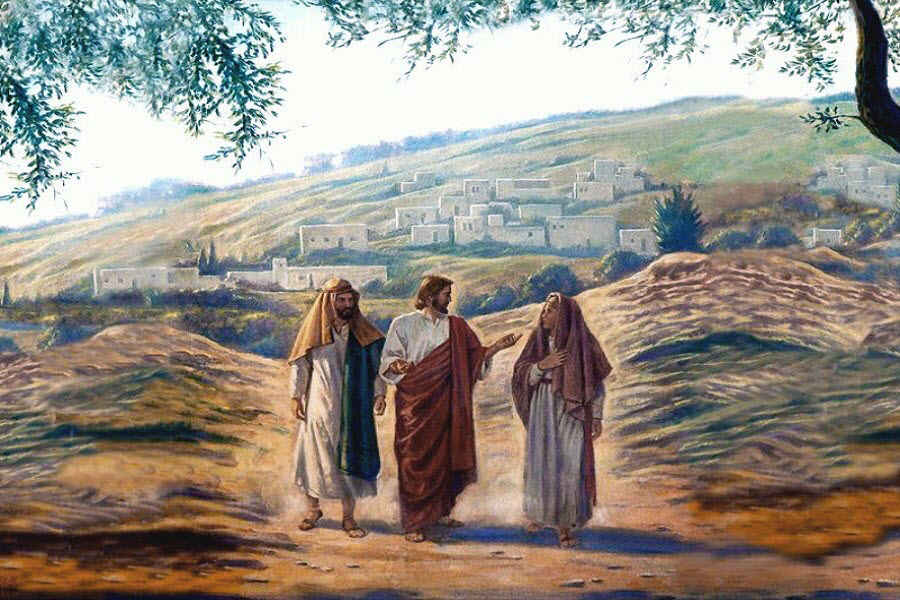
Luke 24:13-35: Later that day, two disciples are walking toward the village of Emmaus, talking about what happened to Jesus and trying to make sense of it. We don’t know who these disciples were, or if they belonged to “the eleven” or were part of the larger group of Jesus’ followers.
Jesus joins them as they walk and engages them in conversation. They explain their confusion: they had thought that Jesus was the Messiah, but when He was captured and killed, they began to doubt. They also mention the report of the women who had been to the tomb, and that they are struggling to know whether to believe it, because despite the women claiming to have seen the angels and Jesus, when the disciples (including Peter and John) went to check it out for themselves, they saw neither Jesus nor angels at the tomb.
Jesus then said to them, 25“O foolish ones, and slow of heart to believe all that the prophets have spoken! 26Was it not necessary that the Christ should suffer these things and enter into his glory?” 27And beginning with Moses and all the Prophets, he interpreted to them in all the Scriptures the things concerning himself.
When the disciples arrive to their destination, Jesus acts as if He will go on further down the road, but they press Him to eat with them. 30When he was at table with them, he took the bread and blessed and broke it and gave it to them. 31And their eyes were opened, and they recognized him. And he vanished from their sight.
They then rush back to Jerusalem to tell the others.
Jesus Appears to the Disciples Behind Locked Doors in Jerusalem
Luke 24:36–43; John 20:19–23: On the evening of that same day, as the disciples were gathered together behind locked doors, Jesus appeared in the room with them.
Jesus showed them His hands and side. He ate with them. He then breathed on them, imparting the Holy Spirit to them (as promised in John 14:17), and conveyed His mission to them. Despite imparting the Spirit, He also tells them to wait in Jerusalem until they are clothed with power from on high – speaking of the empowerment they would receive on Pentecost (cf. Acts 1:8). Even though the disciples have been called to meet with Jesus in Galilee, they will return to Jerusalem for Jesus’ ascension (40 days after the resurrection) and to wait for this empowerment (received 50 days after the resurrection).
During this meeting, Jesus opened their minds to understand the Scriptures, and explained to them everything written about Him in the Law of Moses, the Prophets, and the Psalms (i.e. the entire Hebrew Bible, AKA “Old Testament”). By doing this, Jesus showed them the hermeneutical key to understanding the Bible; that it is a book about Him.
Thomas was not present on this occasion.
Jesus Appears to the Disciples with Thomas Present
John 20:26-29: Eight days later, apparently in the same location in Jerusalem, Jesus appears to the disciples again, this time with Thomas present.
Jesus calls Thomas to not disbelieve, but believe. Having seen Jesus’ wounds and heard His call to believe, Thomas exclaims a confession of faith in Jesus as “My Lord and my God!”
In Galilee
Matthew 28:16-20: Assumedly after the meeting in Jerusalem where Thomas was present, Jesus’ disciples meet Him on a mountain in Galilee, where the disciples worship Him, and Jesus commissions them to go and make disciples of all nations, baptizing them in the name of the Father, the Son, and Holy Spirit.
John 21:1-23: Jesus meets with the disciples on the shore of the Sea of Galilee, where they share breakfast and Jesus restores Peter to a leadership role after Peter’s denial of Jesus on the night of His arrest.
Other Appearances
In 1 Corinthians 15:5-7 Paul the Apostle lists some other appearances of Jesus, but we aren’t quite sure when or where they took place:
A private meeting with Peter (1 Corinthians 15:5)
A large group of over 500 people at one time (1 Corinthians 15:6)
A meeting with James — likely the half-brother of Jesus, who later became the leader of the Jerusalem church and the author of the Epistle of James – (1 Corinthians 15:7)
An appearance to “all the apostles” (apparently a broader group than just “the twelve” (cf. 1 Cor. 15:5)
Conclusion
By harmonizing the Gospel accounts, we get a three-dimensional picture of Jesus’ post-resurrection appearances.
For further study, check out the series of messages I taught a few years ago called “The Resurrected Life” – in which I preached about some of the post-resurrection passages: The Risen Life (2021)
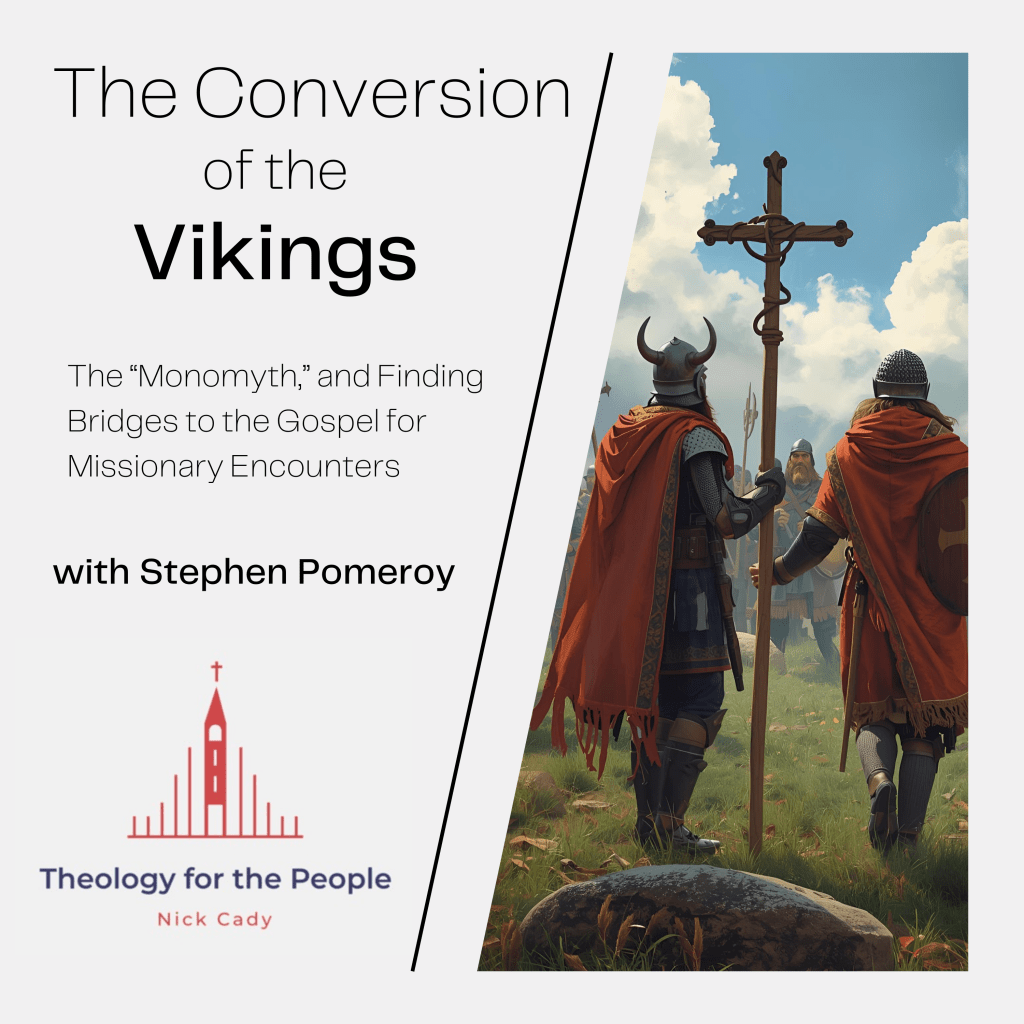
Together, we explore the fascinating story of the conversion of the Vikings to Christianity. Stephen shares how his personal heritage sparked an interest in Viking history and mythology, and how he approaches it from a Christian perspective.
Together we discuss: • What the Viking Age was and how it ended • The political and spiritual dynamics behind Viking conversion to Christianity • The concept of the monomyth and how stories across cultures point to the true story of Jesus • Parallels between Norse mythology and biblical truth • Lessons for engaging neo-paganism and modern spiritual seekers
This conversation blends history, theology, and mission — showing how God’s truth reaches across cultures and centuries.
📌 Subscribe for more episodes of Theology for the People where we bring theological conversations down to earth in a way that is understandable, practical, and engaging.
Click here to listen to the episode, or listen in the embedded player below.
The Conversion of the Vikings: Finding Bridges to the Gospel for Missionary Encounters –
Theology for the People
In this episode of Theology for the People, Pastor Nick Cady is joined by Pastor Stephen Pomeroy from White Fields Community Church to explore the fascinating story of the conversion of the Vikings.Stephen, who also hosts the Viking Legacy and Lore podcast, shares how his personal heritage sparked an interest in Viking history and mythology, and how he approaches it from a Christian perspective. Together we discuss:What the Viking Age was and how it endedThe political and spiritual dynamics behind Viking conversion to ChristianityThe concept of the monomyth and how stories across cultures point to the true story of JesusParallels between Norse mythology and biblical truthLessons for engaging neo-paganism and modern spiritual seekersThis conversation blends history, theology, and mission — showing how God’s truth reaches across cultures and centuries.📌 Subscribe for more episodes of Theology for the People where we bring theological conversations down to earth in a way that is understandable, practical, and engaging.Visit TheologyforthePeople.com for more helpful articles and many topics related to Theology.
I have recently started posting more on the Theology for the People YouTube channel. You can watch this interview on video here:
What is the enduring legacy of the early church councils, and what role should they play in the lives of Bible-believing Christians today?
In this episode of the Theology for the People Podcast, I am joined once again by Matt Pursely, Executive Pastor at Park Hill Church in San Diego, California and graduate of Westminster Theological Seminary with a focus on Historical Theology, to discuss what happened after the Council of Chalcedon (451 AD), and why it matters for believers today.
We also discuss the views of William Lane Craig, who holds to a Neo-Apolinarian Christology which many see as being in conflict with Chalcedon. We explain his view, and how other early councils, such as Constantinople III, speak to it.
We also explain the importance of the debate over monothylitism and dyathelitism and the question of impeccability vs. peccability and whether Jesus was truly tempted internally or if his temptations were merely external.
Click here to listen to the episode, or listen in the embedded player below.
After Chalcedon: The Role of the Early Church Councils for Evangelicals Today – with Matt Pursely –
Theology for the People
What is the enduring legacy of the early church councils, and what role should they play in the lives of Bible-believing Christians today?In this episode, host Nick Cady is joined again by Matt Pursely, Executive Pastor at Park Hill Church in San Diego, California and graduate of Westminster Theological Seminary with a focus on Historical Theology, to discuss what happened after Chalcedon, and why it matters for believers today.We also discuss the views of William Lane Craig, who holds to a Neo-Apolinarian Christology which some see as being in conflict with Chalcedon. We explain what this view is, and how other early councils, such as Constantinople III speak to it. We also explain the importance of the debate over monothylitism and dyathelitism and the question of impeccability vs. peccability and whether Jesus was truly tempted internally or if his temptations were merely external. Subscribe to the Theology for the People YouTube Channel here.Visit the Theology for the People website here.
I have also started posting more on the Theology for the People YouTube channel. You can watch this interview on video here:
In this episode of the Theology for the People Podcast, I speak with Shane Angland about the question of how we got the Bible in its current form.
Shane has been a recurring guest on the podcast, and he has a keen mind and knowledge of historical theology. Shane lives in Ennis, Ireland where he serves at Ennis Evangelical Church. He holds a Masters of Divinity from Dallas Theological Seminary, and has served as a missionary in Ukraine.
From the formation of the Old and New Testaments to the question of the Apocrypha, to the impact of the Council of Trent, this conversation offers clarity on why the Bible is trusted as God’s inspired Word.
Key Topics Discussed
What is the Canon?
Definition: The canon is the list of inspired, authoritative Scriptures distinguished from other valuable writings.
Theological foundation: Scripture is “breathed forth” by God, carrying unique authority for the church (2 Timothy 3:16).
Old Testament Canon Formation
Begins with God’s redemptive acts, particularly after the Exodus and Sinai covenant (Exodus 24, Deuteronomy 31).
Jewish recognition of inspired texts from Moses to Malachi, with a prophetic silence post-Persian era.
Josephus and first-century Jewish consensus on 22 books (equivalent to the 39 books in modern Old Testaments).
No explicit criteria articulated, but guided by the Holy Spirit and covenantal context.
The Apocrypha and Deuterocanonical Books
Includes books like Tobit, Judith, Wisdom, Sirach, 1 & 2 Maccabees, Baruch, and additions to Esther and Daniel.
Historical debate: Some early Christians (e.g., Augustine) accepted these books, while others (e.g., Jerome) did not, aligning with Jewish tradition.
Council of Trent (1546): Roman Catholic Church dogmatically defined these books as canonical, partly in response to Reformation emphasis on scriptural authority (e.g., for doctrines like purgatory).
Eastern Orthodox churches maintain an open canon, avoiding infallible rulings.
New Testament Canon Formation
Tied to the new covenant and apostolic authority, with writings by or connected to apostles (e.g., Mark linked to Peter, Luke to Paul).
Criteria: Apostolic origin, Christ-centered message, and widespread church use in worship.
Early recognition: By the late first century, apostolic writings were distinguished (e.g., Clement’s letters vs. Paul’s epistles).
By the second century, 22–23 of the 27 books were widely accepted, with minor debates on smaller texts (e.g., 2 Peter, 3 John).
Misconceptions Addressed
Myth: The Council of Nicaea (325 CE) decided the canon. Reality: Nicaea focused on church governance, not canon selection.
Myth: Early Christians chose from hundreds of gospels. Reality: The four canonical gospels were the earliest, apostolic, and widely used.
Gnostic “gospels” (e.g., Gospel of Judas) lack historical or apostolic credibility and were not serious contenders.
Why the Delay in Formal Canon Lists of the New Testament?
The early church was decentralized, persecuted, and lacked centralized authority to compile lists.
Canonical texts were illegal, and possession could lead to martyrdom (e.g., 180 CE Carthage trial).
Earliest clear list: Athanasius’ Easter Letter (367 CE), reflecting existing church consensus.
Confidence in Scripture
The Bible’s unity across 66 books, three languages, and 1,500 years testifies to its divine inspiration.
The early church’s careful discernment reflects wisdom, not uncertainty.
Romans 3:2 affirms the Jewish role in preserving the Old Testament oracles, reinforcing trust in the canon’s reliability.
Resources Mentioned
Michael Kruger’s work on the canon (e.g., Canon Revisited).
Josephus’ Against Apion for first-century Jewish canon insights.
Augustine’s On Christian Doctrine.
Quotable Moments
“The canon begins with God’s work of redemption, not human decisions.” – Shane
“The church doesn’t establish the canon; it recognizes it through the Holy Spirit.” – Shane
“The Bible’s coherent message across 1,500 years is a miracle of God’s inspiration.” – Shane
How Did We Get the Bible? Exploring the Formation of the Biblical Canon – with Shane Angland Th.M –
Theology for the People
In this episode, Nick Cady and Shane Angland tackle the critical question: How did the Bible come to be? They explore the formation of the biblical canon, addressing misconceptions, historical processes, and the theological significance of Scripture. From the Old Testament’s roots in God’s redemptive work to the New Testament’s apostolic authority, this conversation offers clarity on why the Bible is trusted as God’s inspired Word. They also discuss the Apocrypha, the Council of Trent’s impact, and how early Jewish and Christian communities recognized canonical texts.Connect with Theology for the PeopleWebsite: theologyforthepeople.comFollow on X: @nickcady
In this episode of the Theology for the People Podcast, I speak with Zhenya Chekushkin: a pastor from Western Ukraine and a longtime friend. Zhenya shares about his experience of growing up in a communist military family in the Soviet Union, coming to faith at age 13, and now leading a church through the ongoing war in Ukraine.
From the fall of the Soviet Union to the rise of evangelicalism and the current conflict, Zhenya offers a firsthand perspective on how God is moving amid chaos—and how listeners can join in.
How You Can be Involved and Support: ◦ Financially: Donate to the Ukraine Relief Fund at whitefieldschurch.com under the giving tab. ◦ In Person: Short-term mission trips (conferences, camps, building projects) or longer-term ministry—contact Jenia via White Fields or social media. ◦ Church Planting: Opportunities available with Calvary Chapel Ukraine’s support. See: cultivatechurchplanting.com • Stay Updated: Email calvarychapelukraine@gmail.com to join Zhenya’s newsletter list (every 2-3 months).
Film Mention: The Book of Eli – A post-apocalyptic tale of a man preserving the Bible, reflecting on morality without God (not sponsored, just Zhenya’s pick!)
Zhenya Chekushkin is a pastor from Western Ukraine and a longtime friend. Zhenya shares his unique story: growing up in a communist military family, coming to faith at 13, and now leading a church through the ongoing war in Ukraine. From the fall of the Soviet Union to the rise of evangelicalism and the current conflict, Zhenya offers a firsthand perspective on how God is moving amid chaos—and how listeners can join in.Support Options:Financially: Donate to the Ukraine Relief Fund at whitefieldschurch.com under the giving tab.In Person: Short-term mission trips (conferences, camps, building projects) or longer-term ministry—contact Jenia via White Fields or social media.Church Planting: Opportunities available with Calvary Chapel Ukraine’s support—reach out for details.Stay Updated: Email calvarychapelukraine@gmail.com to join Zhenya's newsletter list (every 2-3 months).Film Mention: The Book of Eli – A post-apocalyptic tale of a man preserving the Bible, reflecting on morality without God (not sponsored, just Zhenya's pick!).Connect with Us:Subscribe to Theology for the People podcastVisit the Theology for the People website at theologyforthepeople.com
In this episode of the Theology for the People Podcast, I sit down with returning guest Shane to explore the Council of Chalcedon (AD 451), the fourth ecumenical council of the early church.
Recorded live in Colorado during an Expositors Collective training weekend, this conversation traces the events leading up to Chalcedon, its theological breakthroughs, and its messy aftermath.
From the fallout of the Council of Ephesus, to the clash between the Alexandrian and Antiochian schools of Christology, and the mess of Ephesus II, Shane breaks down the stakes: how do we understand the two natures of Christ—human and divine—in one person?
The episode also tackles the political power plays, the deposition of bishops, and the schisms that followed, including the rise of the Oriental Orthodox churches. Plus, hear why Shane sees Chalcedon as both a triumph and a tragedy—and what it still teaches us today.
Resources Mentioned:
The Definition of Chalcedon (available online for further reading).
In this episode, Nick sits down in person with returning guest Shane to explore the Council of Chalcedon (AD 451), the fourth ecumenical council of the early church. Recorded live in Colorado during an Expositors Collective training weekend, this conversation traces the events leading up to Chalcedon, its theological breakthroughs, and its messy aftermath. From the fallout of the Council of Ephesus to the clash between the Alexandrian and Antiochian schools of Christology, Shane breaks down the stakes: how do we understand the two natures of Christ—human and divine—in one person? The episode also tackles the political power plays, the deposition of bishops, and the schisms that followed, including the rise of the Oriental Orthodox churches. Plus, hear why Shane sees Chalcedon as both a triumph and a tragedy—and what it still teaches us today.Resources Mentioned:The Definition of Chalcedon (available online for further reading).Bruce Shelley’s Church History in Plain Language (Fifth Edition).Augustine’s The Unity of the Church on the role and limits of councils.Visit TheologyforthePeople.com



 Theology for the People