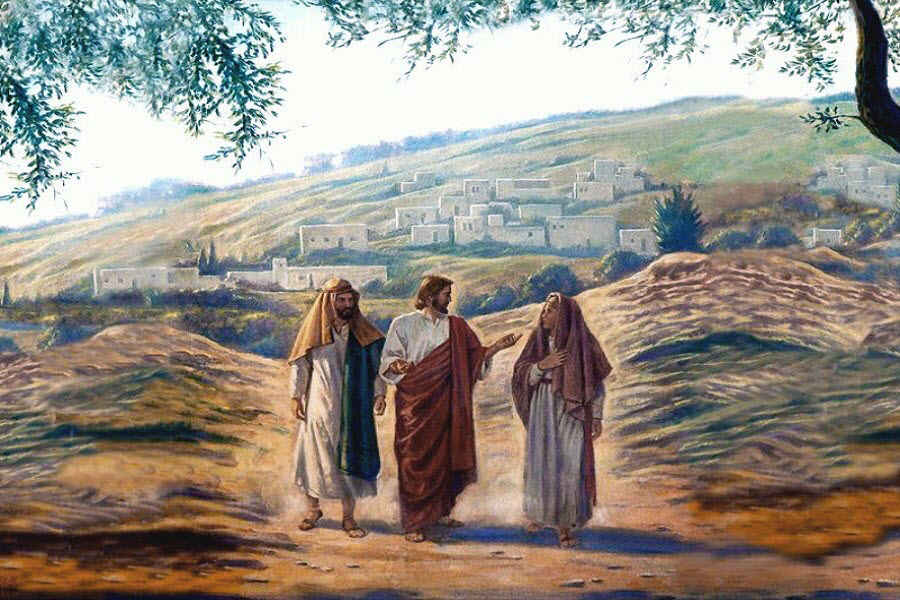
A Timeline of Jesus’ Post-Resurrection Appearances

At White Fields Church, I have been teaching through the Gospel of Matthew [listen to the series here] for almost two years, and this past Sunday we reached the final chapter.

After my sermon on Matthew 28:1-15, someone asked a great question:

“How does Mary Magdalene weeping at the tomb in John 20:11-18 fit with Matthew’s account of the women meeting Jesus on the way in Matthew 28:8-10?”

After looking into it, there’s a simple and satisfying explanation. But also, this question touches on a larger issue, of how the different Gospel accounts fit together. The different Gospel writers give different perspectives which ultimately complement, rather than contradict each other.

The Women Who Went to the Tomb

  • Mary Magdalene (Matthew 28:1, Mark 16:1, Luke 24:10, John 20:1)
  • The other Mary (Matthew 28:1; Mark 15:40; Luke 24:10) — most likely Mary the mother of James and Joseph (also called Joses; cf. Matthew 27:56)
    • This seems to be the same person Mark calls “Mary the mother of James” (Mark 16:1)
    • Some people believe this is Mary the Mother of Jesus, while others believe it’s a separate person.
  • Salome (mother of James and John, the sons of Zebedee) (Mark 16:1)
  • Joanna (wife of Chuza, a steward in Herod’s household) (Luke 24:10, cf. Luke 8:3)
  • Other unnamed women who had followed Jesus from Galilee (Luke 23:55; 24:10)

All four Gospel accounts mention Mary Magdalene. John’s Gospel only mentions Mary Magdalene, not to the exclusion of the other women, but only to focus on her previously undocumented encounter with Jesus at the tomb. The fact that Mary Magdalene was not alone is alluded to by John 20:2, “They have taken the Lord out of the tomb, and we do not know where they have laid him.” The plural “we” indicates she wasn’t alone.

The Women Arrive at the Tomb, but Mary Leaves Immediately

As this group of women arrived at the tomb with spices to anoint Jesus’ body, they saw that the stone had been rolled away. At this point, Mary Magdalene appears to separate from the group and run ahead. Having seen the open tomb, she assumes the worst: that someone has taken the Lord’s body (John 20:2). She runs to tell Peter and John, while the other women remain at the tomb.

The Women Encounter the Angel

Matthew 28:2–7; Mark 16:5–7; Luke 24:4–8: While Mary Magdalene is gone, the other women encounter angels at the tomb. Matthew focuses on one angel, who is sitting on the stone, while Mark and Luke mention two inside the tomb.

The angels proclaim the good news: Jesus has risen, just as He said. The women are told to go and tell the disciples that Jesus is alive and will meet them in Galilee. Shaken by what they had seen, and filled with joy, they rush off from the tomb to share the message with the disciples.

Peter and John Run to the Tomb

John 20:2-10; Luke 24:12: Meanwhile, Mary Magdalene reaches Peter and John with the news that, “They have taken the Lord out of the tomb, and we don’t know where they have laid Him.”

Peter and John sprint to the tomb. John arrives first, looks in, and sees the linen clothes. Peter then arrives; he goes in and notices the face-cloth folded up in a place by itself. This detail indicates that whatever happened in the tomb took place in an orderly manner, rather than a chaotic hurry.

Peter and John realize that something significant has happened, but they don’t yet understand that Jesus has risen. They then head back home (to the place where the disciples were staying in Jerusalem).

Mary Magdalene Weeping at the Tomb

John 20:11-18: Once Peter and John have left, Mary is alone at the tomb. She stands outside the tomb weeping. As she weeps, she stops to look inside the tomb. In the tomb, she sees two angels seated where Jesus’ body had lain. She speaks with the angels, but then turns around and sees Jesus standing there, but does not recognize that it is Him (possibly because of back-lighting, or possibly due to the difference in appearance of Jesus’ resurrection body).

Jesus asks Mary why she is weeping. Mary assumes that he is the gardener, but then Jesus speaks her name: “Mary.” Mary then recognizes that the person speaking to her is Jesus.

Mary embraces Jesus, but He tells her not to cling to Him, but to go and tell his “brothers” (disciples) that He is soon going to ascend to the Father.

It seems that Mary is the first eyewitness of the risen Jesus, and she tells the others that she has seen the Lord.

Jesus Appears to the Other Women

Matthew 28:8-10: As the other women are on the way from the tomb, sent by the angels to tell the disciples, Jesus meets them. The women fall at his feet and worship Him – grasping onto Him.

This likely happened shortly after Mary’s encounter. Jesus tells these women to go and tell the disciples to go to Galilee, promising that they will see Him there.

The Women Report to the Other Disciples

Luke 24:9-11; Mark 16:8-11: The women tell the disciples what they have seen, but their words seem like “an idle tale,” and the disciples are reluctant to believe it.

The Road to Emmaus

Luke 24:13-35: Later that day, two disciples are walking toward the village of Emmaus, talking about what happened to Jesus and trying to make sense of it. We don’t know who these disciples were, or if they belonged to “the eleven” or were part of the larger group of Jesus’ followers.

Jesus joins them as they walk and engages them in conversation. They explain their confusion: they had thought that Jesus was the Messiah, but when He was captured and killed, they began to doubt. They also mention the report of the women who had been to the tomb, and that they are struggling to know whether to believe it, because despite the women claiming to have seen the angels and Jesus, when the disciples (including Peter and John) went to check it out for themselves, they saw neither Jesus nor angels at the tomb.

Jesus then said to them, 25“O foolish ones, and slow of heart to believe all that the prophets have spoken! 26Was it not necessary that the Christ should suffer these things and enter into his glory?” 27And beginning with Moses and all the Prophets, he interpreted to them in all the Scriptures the things concerning himself. 

When the disciples arrive to their destination, Jesus acts as if He will go on further down the road, but they press Him to eat with them. 30When he was at table with them, he took the bread and blessed and broke it and gave it to them. 31And their eyes were opened, and they recognized him. And he vanished from their sight.

They then rush back to Jerusalem to tell the others.

Jesus Appears to the Disciples Behind Locked Doors in Jerusalem

Luke 24:36–43; John 20:19–23: On the evening of that same day, as the disciples were gathered together behind locked doors, Jesus appeared in the room with them.

Jesus showed them His hands and side. He ate with them. He then breathed on them, imparting the Holy Spirit to them (as promised in John 14:17), and conveyed His mission to them. Despite imparting the Spirit, He also tells them to wait in Jerusalem until they are clothed with power from on high – speaking of the empowerment they would receive on Pentecost (cf. Acts 1:8). Even though the disciples have been called to meet with Jesus in Galilee, they will return to Jerusalem for Jesus’ ascension (40 days after the resurrection) and to wait for this empowerment (received 50 days after the resurrection).

During this meeting, Jesus opened their minds to understand the Scriptures, and explained to them everything written about Him in the Law of Moses, the Prophets, and the Psalms (i.e. the entire Hebrew Bible, AKA “Old Testament”). By doing this, Jesus showed them the hermeneutical key to understanding the Bible; that it is a book about Him.

Thomas was not present on this occasion.

Jesus Appears to the Disciples with Thomas Present

John 20:26-29: Eight days later, apparently in the same location in Jerusalem, Jesus appears to the disciples again, this time with Thomas present.

Jesus calls Thomas to not disbelieve, but believe. Having seen Jesus’ wounds and heard His call to believe, Thomas exclaims a confession of faith in Jesus as “My Lord and my God!”

In Galilee

Matthew 28:16-20: Assumedly after the meeting in Jerusalem where Thomas was present, Jesus’ disciples meet Him on a mountain in Galilee, where the disciples worship Him, and Jesus commissions them to go and make disciples of all nations, baptizing them in the name of the Father, the Son, and Holy Spirit.

John 21:1-23: Jesus meets with the disciples on the shore of the Sea of Galilee, where they share breakfast and Jesus restores Peter to a leadership role after Peter’s denial of Jesus on the night of His arrest.

Other Appearances

In 1 Corinthians 15:5-7 Paul the Apostle lists some other appearances of Jesus, but we aren’t quite sure when or where they took place:

  • A private meeting with Peter (1 Corinthians 15:5)
  • A large group of over 500 people at one time (1 Corinthians 15:6)
  • A meeting with James — likely the half-brother of Jesus, who later became the leader of the Jerusalem church and the author of the Epistle of James – (1 Corinthians 15:7)
  • An appearance to “all the apostles” (apparently a broader group than just “the twelve” (cf. 1 Cor. 15:5)

Conclusion

By harmonizing the Gospel accounts, we get a three-dimensional picture of Jesus’ post-resurrection appearances.

For further study, check out the series of messages I taught a few years ago called “The Resurrected Life” – in which I preached about some of the post-resurrection passages: The Risen Life (2021)
Why Apprenticeship is the Truest Form of Discipleship – with Heath Hardesty

What does it really mean to be an apprentice of Jesus in a fragmented world?

In this episode of the Theology for the People Podcast, Pastor Heath Hardesty shares how his years as an apprentice plumber shaped his vision for discipleship and following Jesus.

Heath is originally from Longmont, Colorado, where I pastor, and he now serves as Lead Pastor of Valley Community Church (VCC) in Pleasanton, California.

Prior to moving to California, when Heath lived in Longmont, he worked as a plumber, training as an apprentice under his father, a master plumber. From his time as a plumbing apprentice, Heath has seen many parallels between apprenticeship and being a disciple of Jesus.

Heath is the author of a new book, which releases October 14, 2025, titled, All Things Together: How Apprenticeship to Jesus Is the Way of Flourishing in a Fragmented World.

In this episode, we discuss:
• Why apprenticeship is a better paradigm for following Jesus than “just” discipleship classes
• The four pillars of apprenticeship: union, abiding, obeying, and imaging
• How sin fragments our lives and how Jesus reintegrates us
• Practical spiritual practices for ordinary Tuesdays
• Why following Jesus is a fully embodied way of life—not just information in our heads

Whether you are feeling spiritually stagnant or longing for a more integrated faith, this conversation will challenge and encourage you.

Follow Theology for the People on YouTube⁠https://www.youtube.com/@theologyforthepeople

Click here to listen to the episode, or listen in the embedded player below.

Why Apprenticeship is the Truest Form of Discipleship – with Heath Hardesty Theology for the People

What does it really mean to be an apprentice of Jesus in a fragmented world? In this episode of Theology for the People, Pastor Heath Hardesty shares how his years as an apprentice plumber shaped his vision for discipleship and following Jesus.Heath is the Lead Pastor of Valley Community Church (VCC) in Pleasanton, California, and the author of the recent book, All Things Together: How Apprenticeship to Jesus Is the Way of Flourishing in a Fragmented World.In this episode, we discuss:Why apprenticeship is a better paradigm for following Jesus than “just” discipleship classesThe four pillars of apprenticeship: union, abiding, obeying, and imagingHow sin fragments our lives and how Jesus reintegrates usPractical spiritual practices for ordinary TuesdaysWhy following Jesus is a fully embodied way of life—not just information in our headsWhether you’re feeling spiritually stagnant or longing for a more integrated faith, this conversation will challenge and encourage you.📖 All Things Together releases October 14 and is available wherever books are sold.

I have recently started posting more on the Theology for the People YouTube channel. You can watch this interview on video here:

Shayne Smith, the Problems with Progressivism, & the Quiet Revival

As a preacher, I’ve often been impressed with stand-up comedians, especially those who are master communicators. I think that preachers can learn a lot from comedians when it comes to timing, surprise, story telling, and understanding your audience.

A few years ago, I stumbled upon Shayne Smith, when he did his first special for Dry Bar Comedy – an Utah-based clean comedy company. I enjoyed his cadence and style, so I searched for other videos of his comedy, and looked him up on social media.

What I found wasn’t great. His comedy outside of Dry Bar was raunchy, and from his social media I realized that he lived a very hedonistic bisexual lifestyle. As a result, I unfollowed him online.

However, a few months later, a new Shayne Smith special came out on Dry Bar (“Alligator Boys”), which I knew would be clean, and I really enjoyed it. I shared with my friend Mike, who leads Expositors Collective, a group that trains preachers, that these specials were masterclasses in communication that preachers could glean from – but, I also warned him that I didn’t recommend any of Shayne’s stuff outside of Dry Bar.

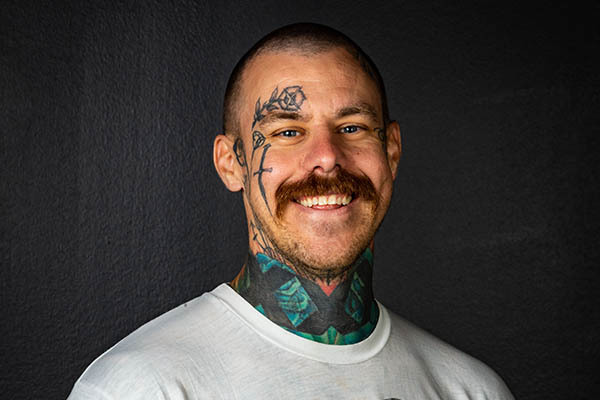
A few years later, much to my surprise, Mike sent me a podcast episode, in which Shayne was the guest, and he was talking about how he had converted to Roman Catholicism. In that episode, he shared that he was a singer in a hardcore band, talked about his love of punk rock, and about his newfound faith in Jesus.

Since that time, Shayne has been talking more and more about his faith in Jesus, which is particularly remarkable considering his previous lifestyle.

Last week, my wife and I went to see Shayne live here in Denver; the tickets a gift from Mike. Prior to the show, I came across this video, which I watched, and then shared with several friends. In it, Shayne tells the story of his journey into progressive ideology and lifestyle, and what it was that cause him to see the cracks in its foundations, and how he came to believe in Jesus. I highly recommend the video; it’s incredible!

I’m not Catholic, and I disagree with Shayne’s broad-brushing of “non-denominational” Christians. He strikes me as a young Christian, who isn’t yet overly familiar with Roman Catholicism, nor robust theology, or conservative Protestantism. I do appreciate the charitable work of the Roman Catholic Church, and the fact that they have refused to budge on issues such as marriage and sexuality, and abortion and the sanctity of life. It also strikes me that the way Shayne talks about Jesus as his “Lord and Savior” sounds very evangelical! Personally, I hope he will make that step! And yet, I rejoice to see Shayne believing in and seeking Jesus, and that he has clearly repented of his sins. At the show we went to, he mentioned three times that he had converted to “Christianity.”

One part of Shayne’s testimony that sticks out to me the most is how he realized that Christians are the people who actually do things like loving their neighbors and forgiving those who sin, and that those who follow Jesus tend to be happier and more content.

A Broader Trend

Much has been said in recent months about the changing trends in church attendance, with young men (Gen Z in particular) coming to church in large numbers. We have seen some of this trend in our church, especially in our online offerings, which are consumed mostly by young men. We’ve also seen many coming in person and seeking the Lord.

Anecdotally, friends of mine who are pastors, have reported similar trends. I have also seen it amongst my teenage son’s friends. It seems that many young people, particularly young men, have become fed up with, and seen the hypocrisy and flaws of the progressive policies which have been pushed on them from schools and public institutions for years, and they are pushing back and seeking for something that tells the truth, is based in really, and calls and challenges them to transform and become better.

Recently, I got to interview Justin Brierley of Premiere Christian Radio in the United Kingdom for the CGN Podcast, about his new book, The Surprising Rebirth of Belief in God: Why New Atheism Grew Old and Secular Thinkers are Considering Christianity Again, and the anecdotes and research behind it. You can listen to that episode here:

From Doubt to Faith: The Quiet Revival – with Justin Brierley The CGN Podcast

In this episode, hosts Nick Cady and Brian Brodersen talk with Justin Brierley — author, broadcaster, and longtime host of the Unbelievable? show and podcast from Premier Christian Radio in the UK. Justin shares about how, after decades of hosting debates between Christians and skeptics, he sees signs that belief in God is growing — especially among young people. We talk about the decline of the New Atheist movement, stories of unexpected conversions, and the surprising hunger for faith in today’s culture.📚Discover Justin’s books: The Surprising Rebirth of Belief in God and Why I’m Still a Christian🎧 Listen to his podcast: The Surprising Rebirth of Belief in GodLearn more about CGN: cgn.org

This trend has been dubbed by some as “The Quiet Revival,” based on a report from the UK Bible Society.

Justin Brierley recently stepped down from hosting the “Unbelievable?” show, which he hosted for 17 years, to start this new project, which also involves a podcast and social media videos. Check out The Surprising Rebirth Podcast to hear more discussions and stories about this phenomenon.

How about you – are you seeing this trend where you are?

Let’s pray that God draws many young people to himself! Just as we rejoice in the current surge, we also desire to see a prolonged revival! May the Lord bring more people into churches, and may churches be prepared to make disciples!

The Gospel in the Midst of Grief: Lessons from Widowhood – with Susan VandePol

What does faithful, biblical care for widows look like, and why does the Bible say that it is at the heart of “pure religion”?

In this episode of the Theology for the People Podcast, I speak with Susan VandePol. Susan became a widow when her husband—a Los Angeles City firefighter—died following a line-of-duty exposure. Out of her own grief the Lord led her to create practical protocols for fire departments and churches, and to host deeply healing widows’ retreats.

In this conversation we cover:

  • Why you don’t “stop” being a widow—even after remarriage
  • How Scripture frames widowhood (the “quartet of the vulnerable,” James 1:27, Luke 18)
  • “Pruning” grief: letting God move grief toward health and fruit
  • Presence over platitudes: what helps, what harms
  • A simple, sustainable church protocol (care that intentionally extends to two years)
  • How ministering to widows purifies the whole church

Resources mentioned:

About Susan VandePol:

Widow, author, and founder of Matters of Life and Breath, Susan equips churches and first-responder communities to care wisely and biblically for widows. She and her husband (a trauma specialist) also serve internationally with grief and trauma care.

Follow Theology for the People on YouTube⁠https://www.youtube.com/@theologyforthepeople

Click here to listen to the episode, or listen in the embedded player below.

The Gospel in the Midst of Grief: Lessons from Widowhood – with Susan VandePol Theology for the People

What does faithful, biblical care for widows look like, and why does the Bible say that it is at the heart of "pure religion"?Susan VandePol became a widow when her husband—a Los Angeles City firefighter—died following a line-of-duty exposure. Out of her own grief the Lord led her to create practical protocols for fire departments and churches, and to host deeply healing widows’ retreats.In this conversation we cover:• Why you don’t “stop” being a widow—even after remarriage• How Scripture frames widowhood (the “quartet of the vulnerable,” James 1:27, Luke 18)• “Pruning” grief: letting God move grief toward health and fruit• Presence over platitudes: what helps, what harms• A simple, sustainable church protocol (care that intentionally extends to two years)• How ministering to widows purifies the whole churchResources mentioned:• Church Protocol for Widow Care – Matters of Life and Breath (download free)• Fire Department Widow Protocol – Matters of Life and Breath (free)• Widows’ Retreat (West Michigan, Oct 17–19) – registration details via the Matters of Life and Breath websiteAbout Susan VandePolWidow, author, and founder of Matters of Life and Breath, Susan equips churches and first-responder communities to care wisely and biblically for widows. She and her husband (a trauma specialist) also serve internationally with grief and trauma care.⏩ If this helped you, please share it with a friend and subscribe for more conversations that bring theology to the people!

I have recently started posting more on the Theology for the People YouTube channel. You can watch this interview on video here:

The Conversion of the Vikings: The “Monomyth” and Finding Bridges to the Gospel for Missionary Encounters

In this episode of the Theology for the People Podcast, I speak with Pastor Stephen Pomeroy. Stephen is a pastor at White Fields Community Church, and he is the host of the Viking Legacy and Lore podcast.

Together, we explore the fascinating story of the conversion of the Vikings to Christianity. Stephen shares how his personal heritage sparked an interest in Viking history and mythology, and how he approaches it from a Christian perspective.

Together we discuss:
• What the Viking Age was and how it ended
• The political and spiritual dynamics behind Viking conversion to Christianity
• The concept of the monomyth and how stories across cultures point to the true story of Jesus
• Parallels between Norse mythology and biblical truth
• Lessons for engaging neo-paganism and modern spiritual seekers

This conversation blends history, theology, and mission — showing how God’s truth reaches across cultures and centuries.

📌 Subscribe for more episodes of Theology for the People where we bring theological conversations down to earth in a way that is understandable, practical, and engaging.

Books mentioned in this episode:

For more on the “monomyth,” and the conversion of C.S. Lewis, check out these articles:

Follow Theology for the People on YouTube⁠https://www.youtube.com/@theologyforthepeople

Click here to listen to the episode, or listen in the embedded player below.

The Conversion of the Vikings: Finding Bridges to the Gospel for Missionary Encounters Theology for the People

In this episode of Theology for the People, Pastor Nick Cady is joined by Pastor Stephen Pomeroy from White Fields Community Church to explore the fascinating story of the conversion of the Vikings.Stephen, who also hosts the Viking Legacy and Lore podcast, shares how his personal heritage sparked an interest in Viking history and mythology, and how he approaches it from a Christian perspective. Together we discuss:What the Viking Age was and how it endedThe political and spiritual dynamics behind Viking conversion to ChristianityThe concept of the monomyth and how stories across cultures point to the true story of JesusParallels between Norse mythology and biblical truthLessons for engaging neo-paganism and modern spiritual seekersThis conversation blends history, theology, and mission — showing how God’s truth reaches across cultures and centuries.📌 Subscribe for more episodes of Theology for the People where we bring theological conversations down to earth in a way that is understandable, practical, and engaging.Visit TheologyforthePeople.com for more helpful articles and many topics related to Theology.

I have recently started posting more on the Theology for the People YouTube channel. You can watch this interview on video here:

When War Scatters the Church: Lessons from Ukraine – with Sharon Markey

In this episode of the Theology for the People Podcast, I speak with Sharon Markey — missionary, pastor’s wife, and author of the forthcoming book Finding Home Again.

Sharon shares her family’s story of serving in Ukraine for nearly two decades, planting churches in Kyiv, and how the war suddenly uprooted their lives.

We discuss:
• What it means to be a refugee and how displacement affects faith and identity
• The church’s role in caring for hurting and displaced people
• How Ukrainians are bringing gospel light into post-Christian Europe
• The reality of life in Ukraine today and how Christians can pray and help
• Sharon’s hope for her new book and how it can inspire compassion and faith

👉 Learn more about Sharon’s book at sharontmarkey.com
👉 Support their ministry: bridgeua.org

Follow Theology for the People on YouTube⁠https://www.youtube.com/@theologyforthepeople

Click here to listen to the episode, or listen in the embedded player below.

When War Scatters the Church: Lessons from Ukraine – with Sharon Markey Theology for the People

In this episode of Theology for the People, Nick Cady talks with Sharon Markey — missionary, pastor’s wife, and author of the forthcoming book Finding Home Again. Sharon shares her family’s story of serving in Ukraine for nearly two decades, planting churches in Kyiv, and how the war suddenly uprooted their lives.We discuss:What it means to be a refugee and how displacement affects faith and identityThe church’s role in caring for hurting and displaced peopleHow Ukrainians are bringing gospel light into post-Christian EuropeThe reality of life in Ukraine today and how Christians can pray and helpSharon’s hope for her new book and how it can inspire compassion and faith👉 Learn more about Sharon’s book at sharontmarkey.com👉 Support their ministry: bridgeua.orgNew episodes release every Monday. Subscribe so you don’t miss future conversations!

I have recently started posting more on the Theology for the People YouTube channel. You can watch this interview on video here:

Why We Need to Think About Heaven More (Not Less) – with Matt McCollough

In this episode of the Theology for the People Podcast, I speak with pastor and author Matt McCullough to discuss his new book Remember Heaven: Meditations on the World to Come for Life in the Meantime.

Building on the themes of his previous book, Remember Death, Matt explores how the biblical vision of heaven is meant to shape our lives here and now—not just as a future hope, but as a present motivation for rest, urgency, and faithful discipleship.

We talk about:

  • How our cultural views of heaven often miss the God-centered reality the Bible presents
  • Why remembering heaven matters in a distracted and comfort-driven world
  • How heaven gives us peace in anxiety, urgency in mission, and love in community
  • What the Bible actually says (and doesn’t say) about the afterlife
  • How the local church functions as a “colony of heaven” in the country of death

This is a hopeful, practical conversation that will encourage you to set your mind on things above and live today in light of eternity.

Follow Theology for the People on YouTube⁠https://www.youtube.com/@theologyforthepeople

Click here to listen to the episode, or listen in the embedded player below.

Why We Need to Think About Heaven More (Not Less) – with Matt McCollough Theology for the People

In this episode of Theology for the People, Nick Cady sits down with pastor and author Matt McCullough to discuss his new book Remember Heaven. Building on the themes of his previous book Remember Death, Matt explores how the biblical vision of heaven is meant to shape our lives here and now—not just as a future hope, but as a present motivation for rest, urgency, and faithful discipleship.Together they talk about:How our cultural views of heaven often miss the God-centered reality the Bible presentsWhy remembering heaven matters in a distracted and comfort-driven worldHow heaven gives us peace in anxiety, urgency in mission, and love in communityWhat the Bible actually says (and doesn’t say) about the afterlifeHow the local church functions as a “colony of heaven” in the country of deathThis is a hopeful, practical conversation that will encourage you to set your mind on things above and live today in light of eternity.📘 Remember Heaven is available now wherever books are sold.🔗 Learn more about Matt and his ministry at edgefieldnashville.org🔗 Visit TheologyforthePeople.com for articles and content

I have recently started posting more on the Theology for the People YouTube channel. You can watch this interview on video here:

Is Physical Fitness a Spiritual Discipline? – A Theology of Exercise: with David Mathis

In this episode of the Theology for the People Podcast, I speak with David Mathis, author of A Little Theology of Exercise: Enjoying Christ in Body and Soul, to explore the spiritual significance of physical health.

This conversation looks at the theology of the body, and how caring for our bodies can actually deepen our discipleship, improve our service to others, and shape how we glorify God with our entire being.

We also explore cultural trends around fitness, how to avoid idolatry of the body, and how anyone — regardless of age or ability — can engage in God-honoring movement.

Whether you’re a seasoned athlete or someone who avoids the gym at all costs, this episode is a helpful and grace-filled look at how physical exercise fits into the Christian life.

Follow Theology for the People on YouTube⁠https://www.youtube.com/@theologyforthepeople

Click here to listen to the episode, or listen in the embedded player below.

Is Physical Fitness a Spiritual Discipline? – A Theology of Exercise: with David Mathis Theology for the People

In this episode of Theology for the People, Nick Cady speaks with David Mathis, author of A Little Theology of Exercise: Enjoying Christ in Body and Soul, to explore the spiritual significance of physical health. This conversation looks at the theology of the body, and how caring for our bodies can actually deepen our discipleship, improve our service to others, and shape how we glorify God with our entire being.We also explore cultural trends around fitness, how to avoid idolatry of the body, and how anyone — regardless of age or ability — can engage in God-honoring movement. Whether you're a seasoned athlete or someone who avoids the gym at all costs, this episode is a helpful and grace-filled look at how physical exercise fits into the Christian life.Visit TheologyforthePeople.com for articles and more content and make sure to subscribe to the channel and share the episode with someone who would benefit from it!

I have recently started posting more on the Theology for the People YouTube channel. You can watch this interview on video here:

The Evangelistic Legacy of Tim Keller – with Matt Smethurst

What is the lasting legacy of the late Tim Keller? What enduring contributions did he make to the church and to theological discuss?

In this episode of the Theology for the People Podcast, I am joined by Pastor Matt Smethurst to talk about his new book, Tim Keller on the Christian Life.

Matt shares about his ministry journey, why Tim Keller’s legacy is still so valuable for the church today, and what he discovered while sifting through Keller’s sermons, books, and endnotes. They discuss Keller’s approach to contextualization, evangelism, friendship, and what it means to taste and see that the Lord is good.

Whether you’re a long-time fan of Keller’s work or just curious about his influence, this conversation will deepen your appreciation for how the gospel changes everything.

Show Notes:

  • Matt’s background in missions and church planting
  • Responding to recent critiques of Keller’s ministry
  • How Keller’s focus on gospel clarity shaped his preaching
  • What surprised Matt most in Keller’s work
  • Lessons for pastors, leaders, and everyday believers

📚 Check out Matt’s books:

Follow Theology for the People on YouTube: ⁠https://www.youtube.com/@theologyforthepeople

Click here to listen to the episode, or listen in the embedded player below.

The Evangelistic Legacy of Tim Keller – with Matt Smethurst Theology for the People

In this episode host Nick Cady talks with Matt Smethurst about his new book Tim Keller on the Christian Life. Matt shares about his ministry journey, why Tim Keller’s legacy is still so valuable for the church today, and what he discovered while sifting through Keller’s sermons, books, and endnotes. They discuss Keller’s approach to contextualization, evangelism, friendship, and what it means to taste and see that the Lord is good. Whether you’re a long-time fan of Keller’s work or just curious about his influence, this conversation will deepen your appreciation for how the gospel changes everything.Show Notes:Matt’s background in missions and church plantingResponding to recent critiques of Keller’s ministryHow Keller’s focus on gospel clarity shaped his preachingWhat surprised Matt most in Keller’s workLessons for pastors, leaders, and everyday believers📚 Check out Matt’s books:Tim Keller on the Christian LifeBefore You Open Your BibleBefore You Share Your FaithDeacons: How They Serve and Strengthen the ChurchVisit theologyforthepeople.com for articles and more content.

I have recently started posting more on the Theology for the People YouTube channel. You can watch this interview on video here: