Drawing from the insights of Worship Matters by Bob Kauflin, they explore 9 essential tensions that every church must navigate when it comes to worship and music.
What does it look like to be:
Spirit-led and Scripture-rooted?
Emotionally expressive and doctrinally grounded?
Skilled and sincere?
Rather than choosing one side or the other, healthy worship holds these tensions together in a way that honors God and serves the church.
Whether you’re a pastor, worship leader, musician, or church member, this conversation will help you think more clearly about what worship is—and what it’s for.
👉 Topics include:
The purpose of music in gathered worship
Balancing excellence and authenticity
Choosing songs that shape theology
Leading people, not just performing for them
Why tension is not a problem—but a necessity
If you care about Christ-centered, congregational worship, this episode is for you.
In this episode of Theology for the People, host Nick Cady sits down with Michael Payne, Worship Pastor at White Fields Community Church, to talk about what makes worship in the church both biblical and healthy.Drawing from the insights of "Worship Matters" by Bob Kauflin, they explore 9 essential tensions that every church must navigate when it comes to worship and music.What does it look like to be:Spirit-led and Scripture-rooted?Emotionally expressive and doctrinally grounded?Skilled and sincere?Rather than choosing one side or the other, healthy worship holds these tensions together in a way that honors God and serves the church.Whether you're a pastor, worship leader, musician, or church member, this conversation will help you think more clearly about what worship is—and what it’s for.👉 Topics include:The purpose of music in gathered worshipBalancing excellence and authenticityChoosing songs that shape theologyLeading people, not just performing for themWhy tension is not a problem—but a necessityIf you care about Christ-centered, congregational worship, this episode is for you.
This episode is audio only for the safety of the people to whom Matt ministers, but the audio can be found on YouTube here:
What does persecution actually look like in the places where the gospel is least known? And how should Christians think about persecution in relation to missions?
In this episode of the Theology for the People Podcast, I speak with Matt Rhodes. Matt is a missionary and author, who has been serving for 15 years as a church planter in North Africa among a Muslim-majority tribals communities. Matt shares stories from the field and discusses the central thesis of his book Persecution and Missions: A Practical Theology.
One of Matt’s key insights is that persecution is not merely an occasional obstacle to mission—it is often a structural reality in places where the gospel is advancing. In many communities, the greatest barrier to faith in Christ isn’t intellectual objections but the social and familial cost of conversion. Whereas many people espouse the benefits that persecution has on the church, Matt points out that the threat of persecution does keep many from even considering the claims of Christ out of fear of reprisal.
In this episode Matt and I discuss:
Why persecution often prevents people from even exploring Christianity
The immense social cost faced by converts from Muslim backgrounds
Common mistakes Western missionaries make when discipling persecuted believers
The tension between contextualization and compromise in missions
How the New Testament frames persecution through the lens of the Exodus and the Promised Land
Why missionaries must be honest about the cost of following Jesus
The dangers of wealth, financial incentives, and dependency in missions
Matt also shares practical wisdom from his experience serving in a village context in North Africa and offers specific ways listeners can pray for believers who face intense pressure for their faith.
This conversation offers an important reminder: following Jesus has always come with a cost—but the hope of resurrection and eternal reward makes that cost worthwhile.
What does persecution actually look like in the places where the gospel is least known? And how should Christians think about persecution in relation to missions?In this episode of Theology for the People, Nick Cady speaks with missionary and author Matt Rhodes about his 15 years serving as a church planter in North Africa among a Muslim-majority tribal community. Matt shares stories from the field and discusses the central thesis of his book Persecution and Missions: A Practical Theology.One of Matt’s key insights is that persecution is not merely an occasional obstacle to mission—it is often a structural reality in places where the gospel is advancing. In many communities, the greatest barrier to faith in Christ isn’t intellectual objections but the social and familial cost of conversion.Nick and Matt discuss:Why persecution often prevents people from even exploring ChristianityThe immense social cost faced by converts from Muslim backgroundsCommon mistakes Western missionaries make when discipling persecuted believersThe tension between contextualization and compromise in missionsHow the New Testament frames persecution through the lens of the Exodus and the Promised LandWhy missionaries must be honest about the cost of following JesusThe dangers of wealth, financial incentives, and dependency in missionsMatt also shares practical wisdom from his experience serving in a village context in North Africa and offers specific ways listeners can pray for believers who face intense pressure for their faith.This conversation offers an important reminder: following Jesus has always come with a cost—but the hope of resurrection and eternal reward makes that cost worthwhile.📘 Matt’s book: Persecution and Missions: A Practical Theology
This episode is audio only for the safety of the people to whom Matt ministers, but the audio can be found on YouTube here:
In this episode of the Theology for the People Podcast, I speak with Shane Angland to explore a question that I have thought about for a long time: Did the early church fathers view Scripture the way Protestants do today—or is the Protestant view of the Bible a Reformation novelty?
Shane and I walk through patristic theology and discuss how figures like Irenaeus, Athanasius, Chrysostom, Jerome, and Augustine spoke about the inspiration, authority, sufficiency, and clarity of Scripture. We also examine the “rule of faith” and whether it functioned like a controlling magisterium—or more like a summary of Scripture’s core teaching that guided interpretation.
Along the way, we discuss:
What “patristics” are, and where the patristic era generally begins and ends
Whether the fathers believed Scripture could contain errors
How early Christians handled difficult passages (textual issues, translation, and humility)
The unity of Scripture and the Christ-centered reading of the whole Bible
The Reformation’s claims about Sola Scriptura and the perspicuity (clarity) of Scripture
Augustine’s On Christian Doctrine and why it’s really about how to interpret the Bible
Whether the church creates Scripture’s authority or recognizes it
How medieval developments changed the relationship between Scripture and tradition
If you’ve ever wondered whether the Reformation recovered an earlier Christian approach to the Bible—or introduced something new—this conversation is for you.
The Bible in Patristic Thought: Authority, Clarity, and the Rule of Faith – with Shane Angland –
Theology for the People
In this episode of Theology for the People, Nick Cady is joined by recurring guest Shane Angland to explore the question: Did the early church fathers view Scripture the way Protestants do today—or is the Protestant view of the Bible a Reformation novelty?Nick and Shane walk through patristic theology and discuss how figures like Irenaeus, Athanasius, Chrysostom, Jerome, and Augustine spoke about the inspiration, authority, sufficiency, and clarity of Scripture. They also examine the “rule of faith” and whether it functioned like a controlling magisterium—or more like a summary of Scripture’s core teaching that guided interpretation.Along the way, they discuss:What “patristics” are, and where the patristic era generally begins and endsWhether the fathers believed Scripture could contain errorsHow early Christians handled difficult passages (textual issues, translation, and humility)The unity of Scripture and the Christ-centered reading of the whole BibleThe Reformation’s claims about sola Scriptura and the perspicuity (clarity) of ScriptureAugustine’s On Christian Doctrine and why it’s really about how to interpret the BibleWhether the church creates Scripture’s authority or recognizes itHow medieval developments changed the relationship between Scripture and traditionIf you’ve ever wondered whether the Reformation recovered an earlier Christian approach to the Bible—or introduced something new—this conversation is for you.
I have recently started posting more on the Theology for the People YouTube channel. You can watch this interview on video here:
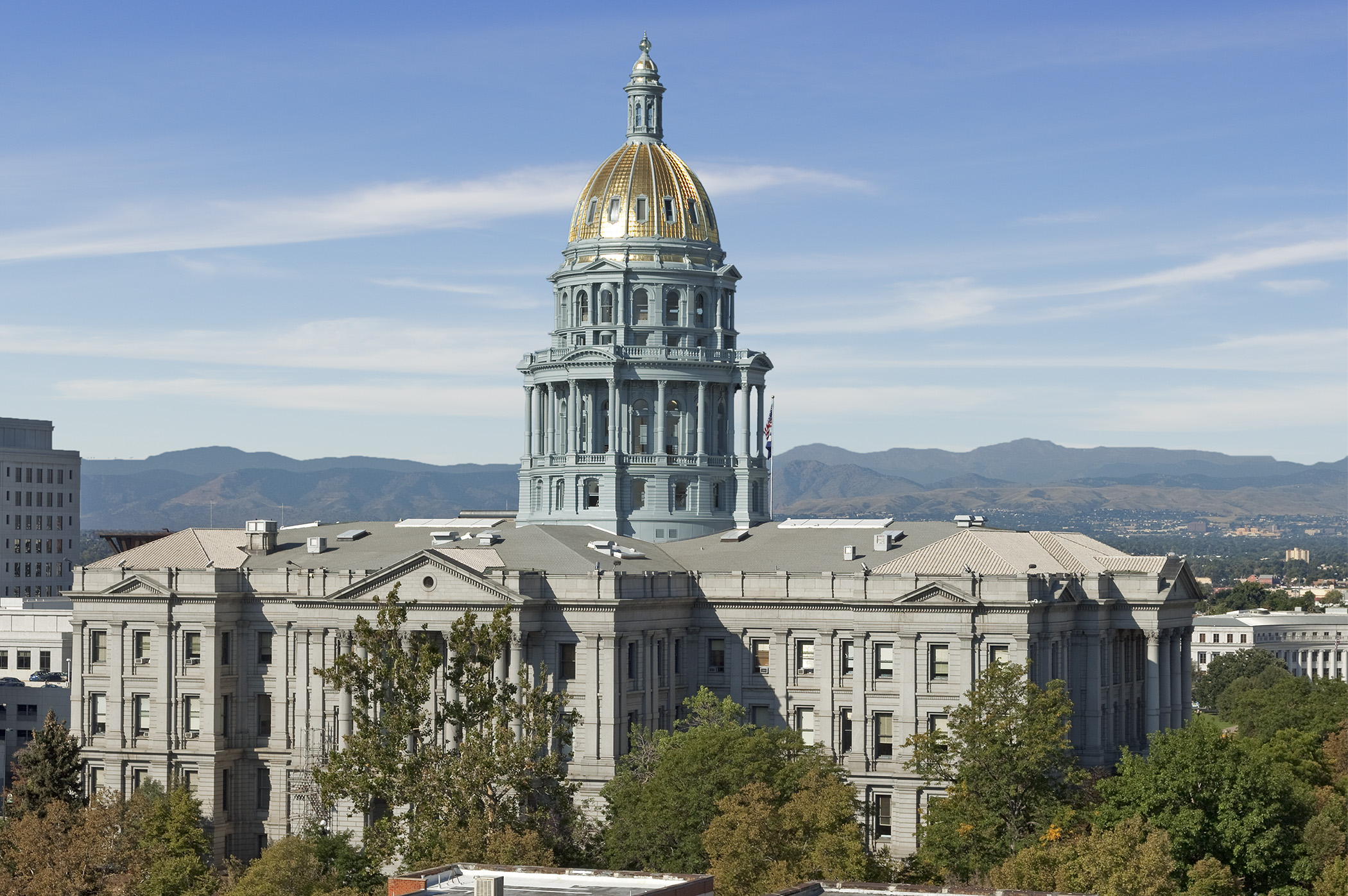
A bill that would have decriminalized sex work among consenting adults in Colorado was abandoned just hours before it was set to come up for a first vote in the state Capitol this week.
State Sen. Lisa Cutter, a Democrat who represents Jefferson County and one of the bill’s co-sponsors, told Denver7 Tuesday Senate Bill 97 was being pulled from the Senate Judiciary Agenda scheduled for Wednesday because it failed to garner enough votes to make it out of committee.
Why the Bill Failed
According to news sources, the withdrawal comes after weeks of intense pushback from law enforcement, religious leaders, and advocates for trafficking survivors. While proponents framed the bill as a way to increase safety for sex workers, the reality was much darker. As we discussed in our previous post, decriminalization without regulation—essentially a “hands-off” approach by the state, threatened to turn Colorado into a magnet for traffickers by dramatically increasing the demand for prostitution.
As discussed in that post, prostitution is not a victimless crime; it tends to prey upon the vulnerabilities of the hurting and those in desperate situations, and almost always involves abuse and exploitation. For those who believe in the inherent dignity of human beings due to us being created in the image of God, this is an answer to prayer and a testament to the power of people in the community making their voices heard.
Still Much to Be Done
While we celebrate this result, the withdrawal (for now) of this bill does not mean the end of the sex trade or the suffering of those trapped within it. Our church will continue to support organizations like the Anonymous Ways Foundation and other efforts to provide a “way out” for those on the streets.
In this episode of the Theology for the People Podcast, I speak with Bruce Zachary, founding and teaching pastor of Calvary Nexus in Camarillo, California, to explore the Passover Seder meal—what it is, why it matters, and how it points powerfully to Jesus the Messiah.
Bruce shares his story of growing up in an observant Jewish home and later coming to faith in Christ after visiting Calvary Chapel of Costa Mesa and encountering the Book of Hebrews.
From there, the conversation dives into the biblical foundation of Passover in Exodus 12, the symbolism of the Seder plate, the meaning of the afikomen, and the significance of the four cups from Exodus 6:6–7—especially the “cup of redemption” connected to Jesus’ words at the Last Supper.
We also discuss how Christians should approach the Seder respectfully, how it helps connect the Old and New Testaments, and why Passover is one of the richest pictures of God’s redemptive plan—from Exodus to the cross and beyond.
📍 Upcoming Event: Bruce will be leading a Passover Seder at White Fields Community Church in Longmont, Colorado on March 27, 2026. The event is open to the public. Register here.
More from Bruce: Messages and free resources, including several ebooks, are available at calvarynexus.org
Nick and Bruce help lead a global church planting network called Cultivate. Visit: cultivatechurchplanting.com
In this episode of Theology for the People, Nick Cady sits down with Bruce Zachary, founding and teaching pastor of Calvary Nexus (Camarillo, California), to explore the Passover Seder meal—what it is, why it matters, and how it points powerfully to Jesus the Messiah.Bruce shares his story of growing up in an observant Jewish home and later coming to faith in Christ after visiting Calvary Chapel of Costa Mesa and encountering the Book of Hebrews. From there, the conversation dives into the biblical foundation of Passover in Exodus 12, the symbolism of the Seder plate, the meaning of the afikomen, and the significance of the four cups from Exodus 6:6–7—especially the “cup of redemption” connected to Jesus’ words at the Last Supper.Nick and Bruce also discuss how Christians should approach the Seder respectfully, how it helps connect the Old and New Testaments, and why Passover is one of the richest pictures of God’s redemptive plan—from Exodus to the cross and beyond.📍 Upcoming Event: Bruce will be leading a Passover Seder at White Fields Community Church in Longmont, Colorado on March 27, 2026. The event is open to the public. Register here.More from Bruce: Messages and free resources, including several ebooks, are available at calvarynexus.orgNick and Bruce help lead a global church planting network called Cultivate. Visit: cultivatechurchplanting.com
I have recently started posting more on the Theology for the People YouTube channel. You can watch this interview on video here:
Colorado lawmakers recently introduced a bill to decriminalize prostitution in our state. Senate Bill 26-097, titled “Decriminalize Adult Commercial Sexual Activity,” is framed as a move toward personal liberty, but if it is passed, it will put people, especially women, at greater risk of sexual exploitation.
Those who are concerned with justice, compassion, and the protection of the vulnerable should be alarmed by this bill, and take steps to oppose it.
Last Sunday, at White Fields Church, we were joined by László (Laci) Németh, founder of the Anonymous Ways Foundation (Névtelen Utak Alapítvány) in Budapest, Hungary. Our church has supported their work for years, and when Laci heard about this bill, he was very concerned, because, as he stated in our service, wherever prostitution has been decriminalized, it has led to an increase in the sexual exploitation of women.
What This Bill Would Do
SB26-097 would effectively legalize the sex trade. However, SB26-097 is a decriminalization bill, which is even more reckless than actual legalization because it removes all penalties without adding any oversight or safety regulations. In addition to decriminalizing prostitution, this bill would:
Allow brothel operations. Permitting the establishment of businesses that profit from the sale of sexual acts.
Normalize exploitation. Treating the sex trade as just another sector of the economy, rather than a system built on the brokenness of the human condition.
Why This is a Problem
The proponents of this bill often frame it as a matter of “empowerment” or “safety” for sex workers. However, theology and history both tell a very different story.
In the book of Genesis, we are introduced to the profound truth that forms the bedrock of Christian ethics: every human being is created in the image of God (Imago Dei). This means that people are not products and bodies are not commodities, because human dignity is intrinsic. We are embodied souls, and therefore what we do with our bodies affects our souls.
The Myth of Increased Safety
The primary argument for decriminalization is that it brings the industry “out of the shadows,” supposedly making it safer for those involved. Yet, global data shows the opposite. In regions where prostitution has been decriminalized or legalized, we don’t see a decrease in violence or exploitation. Instead, we see an explosion in demand.
When legal barriers are removed, the market for that service grows. In the context of the sex trade, more buyers will lead to a need for more “supply.” But where does that supply come from? It doesn’t come from a sudden influx of empowered individuals choosing a career path. It comes from the vulnerable. It comes from women and children (boys and girls) trapped by poverty, addiction, and trauma. It comes immigrants and undocumented or trafficked individuals, in other words: from the very people whom God calls His people to protect. (see: “God’s Heart for the Vulnerable”)
By making it easier to buy sex, the state will be creating an infrastructure for human exploitation. You cannot expand the sex industry without expanding the recruitment of people into it—many of whom are not there by “choice” in any meaningful sense of the word.
The ministries and non-profits providing actual outreach to women and men on the streets (like the ones linked above), tell us that these people are not asking for the state to make their “workplace” more official, they are asking for a way out. They are looking for alternative employment, healing, and restoration of their dignity. By legalizing this industry, the state won’t be helping these women exit; it will be helping to keep them in it.
A Righteous Society
Additionally, God’s people are to be those, who like Jesus: love righteousness and hate wickedness (Hebrews 1:9). Sometimes people claim that “you can’t legislate morality,” but in reality, every law speaks to morality on some level, and criminalizes actions which are immoral or unethical.
If we really believe that God’s ways are best and lead to human flourishing, then we should want all people, created in the image of God, to experience that flourishing. If what the Bible says is true, and sin leads to heartbreak and destruction, then we should not allow laws which allow or encourage people to hurt themselves or others.
What You Can Do
As Christians, we are called to champion righteousness and “defend the rights of the poor and needy” (Proverbs 31:9). SB26-097 fails this biblical mandate because it ignores the link between the sex trade and human exploitation.
This bill is currently being considered by the Senate Judiciary Committee. It will not be put to a public vote, but will be decided by our state legislators.
Here’s what you can do:
Email Colorado State Representatives, to tell them that you oppose this bill, and ask them not to approve it.
Pray: Pray for our lawmakers, that they would have the wisdom to see the human cost of this legislation. Pray for the women, men, and children currently trapped in the sex trade.
In this episode of the Theology for the People Podcast, I speak with Murray Smith of Christ College in Sydney, Australia about one of Jesus’ most debated teachings: the Olivet Discourse (Mark 13, Matthew 24-25, Luke 21).
Murray gives us his take on the state of evangelical Christianity in Australia, and then we turn to discussing Murray’s recent book: Jesus’ Speech on the Mount of Olives: a 12-Week Study, which is designed to help Christians read this passage with clarity and hope.
Murray lays out the three major interpretive approaches(preterist / futurist / “both-and”), he explains why “full preterism” is outside of orthodox Christian confession, and then he walks us through why he believes Jesus speaks about both the destruction of Jerusalem and the final return of Christ.
Additionally, we discuss:
Why this passage is so debated—and yet so important
How Jesus’ cosmic “signs” function as accompanying realities of His coming
What it means to “be ready” according to the parables in Matthew 24-25
Why healthy eschatology produces hope, urgency, discipleship, and mission
Though Murray and I have differences in how we interpret this passage, we both hope that studying it will help believers recover a living, formative, and practical hope in the return of Jesus.
Passages referenced: Mark 13; Matthew 24–25; Luke 21; Daniel 7; 1 Thessalonians 4; 2 Peter 3; Revelation 21–22
Links to my recent messages on the Olivet Discourse:
The Olivet Discourse: Jesus’ Most Debated Sermon, and Why It Matters – with Murray Smith –
Theology for the People
In this episode of Theology for the People, Nick Cady speaks with Murray Smith (Christ College, Sydney) to talk about one of Jesus’ most debated teachings: the Olivet Discourse (Mark 13, Matthew 24–25, Luke 21).Murray gives a candid snapshot of the state of evangelical Christianity in Australia, and from there, the conversation turns to Murray’s book Jesus’ Speech on the Mount of Olives, a 12-week study designed to help Christians read this passage with clarity and hope. Murray lays out the three major interpretive approaches (preterist / futurist / “both-and”), he explains why “full preterism” is outside orthodox Christian confession, and then walks us through why he believes Jesus speaks about both the destruction of Jerusalem and the final return of Christ.Nick and Murray also discuss:Why this passage is so debated—and yet so importantHow Jesus’ cosmic “signs” function as accompanying realities of His comingWhat it means to “be ready" according to the parables in Matthew 24–25Why healthy eschatology produces hope, urgency, discipleship, and missionThough Nick and Murray have differences in how they view this passage, they both hope that studying it will help believers recover a living, formative, practical hope in the return of Jesus.Passages referenced: Mark 13; Matthew 24–25; Luke 21; Daniel 7; 1 Thessalonians 4; 2 Peter 3; Revelation 21–22Links to Nick's recent messages on the Olivet Discourse:The Great Tribulation & the King's ReturnLiving Ready for Jesus' ReturnHow to Prepare for the End of the WorldWhat to Expect on Judgment Day
I have recently started posting more on the Theology for the People YouTube channel. You can watch this interview on video here:
Psalm 82 is one of the most curious and potentially confusing passages in the Bible, because of this interesting statement: “I said, ‘You are gods, sons of the Most High, all of you’” (Psalm 82:6).
Who is this Psalm speaking to or about? If there is only one true and living God, then who are these “gods”? To make things even more interesting: Jesus quotes this passage from Psalm 82 in the Gospel of John, where he uses it in defense of His claim to be the Son of God!
In this post, we’ll explore the two main interpretive views of Psalm 82 and consider why Jesus referenced this passage in John 10.
What is Psalm 82 Describing?
Psalm 82 opens with these words:
“God has taken his place in the divine council; in the midst of the gods he holds judgment.” (Psalm 82:1 ESV)
This brings up some important questions: “Who is in this ‘divine council’?,” and “Who are these ‘gods’?” – not to mention: “Why is God judging them?”
The rest of the psalm gives some clues to help us answer these questions. First of all, God rebukes these “gods” for ruling unjustly, showing partiality to the wicked, and failing to defend the weak and the needy (verses 2–4). He then pronounces judgment:
“I said, ‘You are gods, sons of the Most High, all of you; nevertheless, like men you shall die, and fall like any prince.’” (Psalm 82:6–7)
The psalm concludes with a plea for God Himself to rise up and judge the earth, because all nations ultimately belong to Him (vs 8).
So the central question is: Who are these “gods” whom God rebukes and condemns?
View 1: The “gods” are Human Judges or Rulers
The most widely held view throughout Jewish and Christian history is that Psalm 82 refers to human rulers—especially judges—within Israel. But of course, this view leaves the question: “Why call human judges or rulers ‘gods’?”
The Rationale for this View:
“Elohim” Can Refer to Human Authorities While elohim is most often used for God, it can also be used in a representative or functional sense. In passages like Exodus 21:6 and Exodus 22:8–9, elohim appears to refer to human judges acting in God’s name.
The Context Is a Courtroom Psalm 82 is filled with courtroom language: judging, ruling unjustly, defending the poor, showing partiality. These are precisely the responsibilities assigned to human judges under the Mosaic Law.
The Moral Failure Fits Human Leaders The rebuke (failing to protect the weak and ruling unjustly) seems to apply to the actions of corrupt human rulers. Throughout the prophets, God consistently condemns Israel’s leaders for these exact sins (e.g., Isaiah 1, Micah 3).
“You Will Die Like Men” Emphasizes Their Mortality Verse 7 states that despite their lofty position, these “gods” will die like ordinary humans. This makes sense if the Psalm is addressing rulers who have forgotten that their authority is temporary and accountable to God.
Summary of View 1
In this reading, Psalm 82 teaches that human judges, entrusted with God’s authority, have abused their power and/or neglected their calling. God reminds them that even though they function as His representatives on Earth (cf. Romans 13:4,6), they are not divine—and they will face judgment for their transgressions.
View 2: The Divine Council (Heavenly Beings)
A second view, popularized in recent decades by scholars such as Michael Heiser and others who have studied the ancient Near East, argues that Psalm 82 refers to supernatural beings, who are members of a heavenly “divine council.”
The Rationale for this View:
The Language of a “Divine Council” Psalm 82:1 describes God standing “in the midst of the gods,” which some argue mirrors ancient Near Eastern imagery of a heavenly council of spiritual beings.
“Sons of the Most High” This phrase is sometimes associated with heavenly beings elsewhere in Scripture (e.g., Job 1–2).
Cosmic Scope of Judgment Some proponents argue that the Psalm envisions God judging spiritual rulers over the nations, not merely human officials in Israel.
Not Polytheism
It’s important to note that proponents of this view are not polytheists and do not believe in the existence of other gods. The True and Living God is not just onegod among equals; instead, God is judging other created spiritual beings who are called “gods” only in the sense that they are spiritual beings given power to rule, yet they are utterly subordinate to Him and are subject to death and judgment.
To support this view, Michael Heiser points to Deuteronomy 32:7-9 as an important corollary:
Remember the days of old; consider the years of many generations; ask your father, and he will show you, your elders, and they will tell you. When the Most High gave to the nations their inheritance, when he divided mankind, he fixed the borders of the peoples according to the number of the sons of God. But the LORD’S portion is his people, Jacob his allotted heritage. (Deuteronomy 32:7-9)
Heiser states that this verse is describing how God divided the nations of mankind into regions, over which He then appointed spiritual beings (i.e. angels) to govern over them, and God gave them authority to oversee those human populations in the regions determined for their habitation (cf. Acts 17:26). Finally, God declared that the nation of Israel would be under his own purview, since they were his own special people whom he had created for his purposes.
An explanation of this view can be found in this video:
Jesus and Psalm 82 in John 10:34–36
Rather than hiding from or avoiding this potentially controversial choice of words in Psalm 82, Jesus brings up this passage in John 10, in a conversation with the Jewish Religious Leaders. In John 10, Jesus had just said, “I and the Father are one” (John 10:30). The Jewish leaders responded to that by picking up stones to kill Jesus for committing blasphemy. Jesus responded by saying:
“Is it not written in your Law, ‘I said, you are gods’? If he called them gods to whom the word of God came—and Scripture cannot be broken—do you say of him whom the Father consecrated and sent into the world, ‘You are blaspheming,’ because I said, ‘I am the Son of God’?” (John 10:34–36)
What Jesus Was (and Was Not) Doing
Jesus was not saying, “I am just one god among many.” Nor was He saying, “Everyone is divine.”
Instead, Jesus was making a legal and rhetorical argument—known as a qal wahomer (“from the lesser to the greater”).
Here’s the logic:
If Scripture can refer to human (or otherwise created) authorities as “gods”—because they were entrusted with God’s word and authority—
Then how can it be blasphemy for the one whom the Father has sanctified and sent into the world to call Himself “the Son of God”?
His argument is that: If those created beings were called “sons of God,” and that was put in the Bible – then, how can it be wrong for Jesus to call himself the Son of God, since he (Jesus) is even greater than them?
If Psalm 82 is referring to human figures, then Jesus’ point is that fallible humans were called “gods” in the Bible when they were endowed with authority from God. If Psalm 82 is referring to spiritual beings, Jesus is claiming that created and fallible angels (literally: “messengers”) from God can be referred to as “gods” without it being blasphemy, and therefore since he has been sent by the Father as the ultimate messenger of His Word, then it is not blasphemy for him to call himself the “Son of God.”
Rather than undermining Jesus’ deity, this passage strengthens that claim. Jesus distinguishes Himself from those “gods” because:
They received the word of God, but He is the Word made flesh.
They were appointed temporarily, but He was consecrated and sent by the Father.
They would die like men, but He would lay down His life and take it up again.
Theological Implications
Psalm 82 reminds us that God takes justice seriously. Authority — whether religious, political, or spiritual — is always accountable to Him. Leaders who exploit power or ignore the vulnerable will be subject to divine judgment.
John 10 reminds us that Jesus is not merely a representative of God or a messenger from God; He is God the Son.
And what’s incredible about this, is that the One who judges unjust rulers is the same one who came to take the judgment for our sins, by being judged in our place on the cross.
The irony of Jesus’ crucifixion therefore, is that the religious leaders who accused Jesus of blasphemy were actually the exact kind of people Psalm 82 was referring to: leaders who misused their God-given authority. All the while, the true judge of Psalm 82 was allowing himself to be condemned, so that sinners like us could be saved.
Colossians 1:20 says that Jesus reconciled “all things“ to Himself — including things in heaven. What does that mean? Why would things in heaven need reconciliation?
According to John McRay in his commentary on Colossians in the Evangelical Commentary on the Bible, the majority of exegetes today consider Colossians 1:15–20 to be a pre-Pauline hymn that Paul reworked for his own special application. [1]
A Cosmic Savior for a Cosmic Problem
Colossians 1:16 stated that all things were created in, through and for Christ. However, the unity of and harmony of the cosmos was affected by “the fall” and the introduction of sin into the world.
Colossians 1:19–20 says:
“For in him all the fullness of God was pleased to dwell, and through him to reconcile to himself all things, whether on earth or in heaven, making peace by the blood of his cross.”
Paul’s point in this section is to show that Jesus is not only the Savior of human souls, He is the redeemer of all creation.
Genesis 3 describes how sin didn’t only affect individual hearts, it also disrupted the harmony of the entire created order: “Cursed is the ground because of you…thorns and thistles it shall bring forth for you” – Genesis 3:17-28).
Romans 8:19–22 describes how creation itself has been “groaning” and longing for restoration. The world itself is broken, and the scope of Jesus’ redeeming work is as wide as the scope of the damage caused by sin.
It was God’s good pleasure to reconcile all things through Christ.
The Greek word used here, apokatallassō, refers to the act of restoring a relationship to harmony. The purpose of Christ’s work was to bring all things created by Him and for Him into harmonious relationship.
Peter O’Brian explains it like this: “Heaven and earth have been brought back to the order for which God made them. The universe is under its Lord, and cosmic peace has been restored. Reconciliation and making peace (which includes the idea of pacification, i.e. over-throwing evil) are used synonymously to describe the mighty work which Christ achieved in history through his death on the cross as a sacrifice (Rom. 3:25; 1 Cor. 11:25; Eph. 1:7).” [2]
Why “Things in Heaven”?
We might think of heaven as a place untouched by sin. So why does it say that Jesus reconciled “things in heaven”?
Sin in the Heavenly Realm
The Bible tells us that rebellion against God predated sin on earth; sin started in the heavenly realm, with Satan and other fallen angels (cf. Revelation 12:7–9). There was a fracture in the spiritual realm before humanity ever sinned, which is why we see the deceiving serpent in the garden, tempting the first man and woman to follow him in the way of sin.
Hebrews 9:23 talks about “heavenly things” being purified by Christ’s sacrifice. The cosmic order was disrupted by angelic rebellion, and Christ’s victory defeats and expels evil.
Christ’s Work Restores the Order of the Universe
Colossians 1 talks about spiritual powers (“thrones, dominions, rulers, authorities”). Later in the letter, Paul says that Jesus disarmed and triumphed over them (Colossians 2:15). Part of His reconciling work is bringing all spiritual powers back into proper relation to God — whether by willing obedience or final subjugation.
Peter O’Brien explains:
The peace which Christ has brought may be ‘freely accepted, or … compulsorily imposed’ (F. F. Bruce). The principalities and powers over whom God has triumphed (Colossians 2:15) did not gladly surrender to God’s grace. They were ‘pacified’. They continue to exist, opposed to men and women (cf. Rom. 8:38–39), but they cannot finally harm the person who is in Christ and their overthrow in the future is assured (1 Cor. 15:24–28; see on 2:15). [3]
A Hebrew expression for totality
The phrase “in heaven or on earth” may also be seen as a Hebrew way of saying “everything that exists,” like how in Genesis 1:1 it says that “the heavens and the earth.”
What This Verse Does Not Mean
This verse is not teaching “universalism” – the idea that everyone will eventually be saved. Throughout the Bible, and by Jesus Himself, it is clearly stated that some will reject God and face eternal judgment (e.g. Revelation 20; Matthew 25:46).
Again, O’Brien explains:
Further, it cannot be assumed from this verse that all sinful men and women have freely accepted the peace achieved through Christ’s death. Although all things will finally unite to bow in the name of Jesus and to acknowledge him as Lord (Phil. 2:10–11), it is not to be supposed that this will be done gladly by all, and to suggest that v 20 points to a universal reconciliation in which every person will finally enjoy the blessings of salvation is unwarranted. [4]
So “reconciliation” here means the restoration of Christ’s lordship over all, not salvation for all. As it says in Philippians 2:10-11, one day, at the name of Jesus every knee will bow, in heaven and on earth and under the earth, and every tongue will confess that Jesus Christ is Lord, to the glory of God the Father. In other words, every creature will acknowledge Jesus as Lord — either joyfully as Redeemer or reluctantly as Judge.
In Summary
What this means for us is that the gospel has bigger implications than many people often imagine: Jesus didn’t only come to save individual souls — He came to renew the universe.
Through Jesus’ saving work:
People are reconciled to God
Creation will one day be made new
Evil forces are defeated and brought into submission to Jesus
Cosmic peace will be achieved under Jesus’ reign
This means that the death and resurrection of Jesus was the turning point for the entire universe.
We now live in the “dawn” (2 Peter 1:19), in which the light of the new day has broken the darkness, and it is only a matter of time until the darkness is dispelled completely.
And if you belong to Jesus through faith in Him, you are already part of the new creation that He is bringing about!
Footnotes
John McRay, “Colossians,” in Evangelical Commentary on the Bible, vol. 3, Baker Reference Library (Grand Rapids, MI: Baker Book House, 1995), 1053.
Peter T. O’Brien, “Colossians,” in New Bible Commentary: 21st Century Edition, ed. D. A. Carson et al., 4th ed. (Leicester, England; Downers Grove, IL: Inter-Varsity Press, 1994), 1267.
As a young Christian, by God’s providence, I ended up in a church which had been founded as a result of the “Jesus Movement” of the 1960’s and 70’s, which many people have said was the last great revival of our recent times.
My pastor, Tom Stipe, was a big part of the Jesus Movement and the famous stories of “the tent” at Calvary Chapel in Costa Mesa, CA – which was the temporary sanctuary the church used while their new building was being built. During those times, Tom oversaw the Saturday night outreaches with Christian bands, and then he would share the gospel with those who had gathered to hear the bands. Tom went on to found Maranatha! Music before moving to Colorado to plant a church in Boulder, which later moved to Denver – and which I joined early in early 2000.
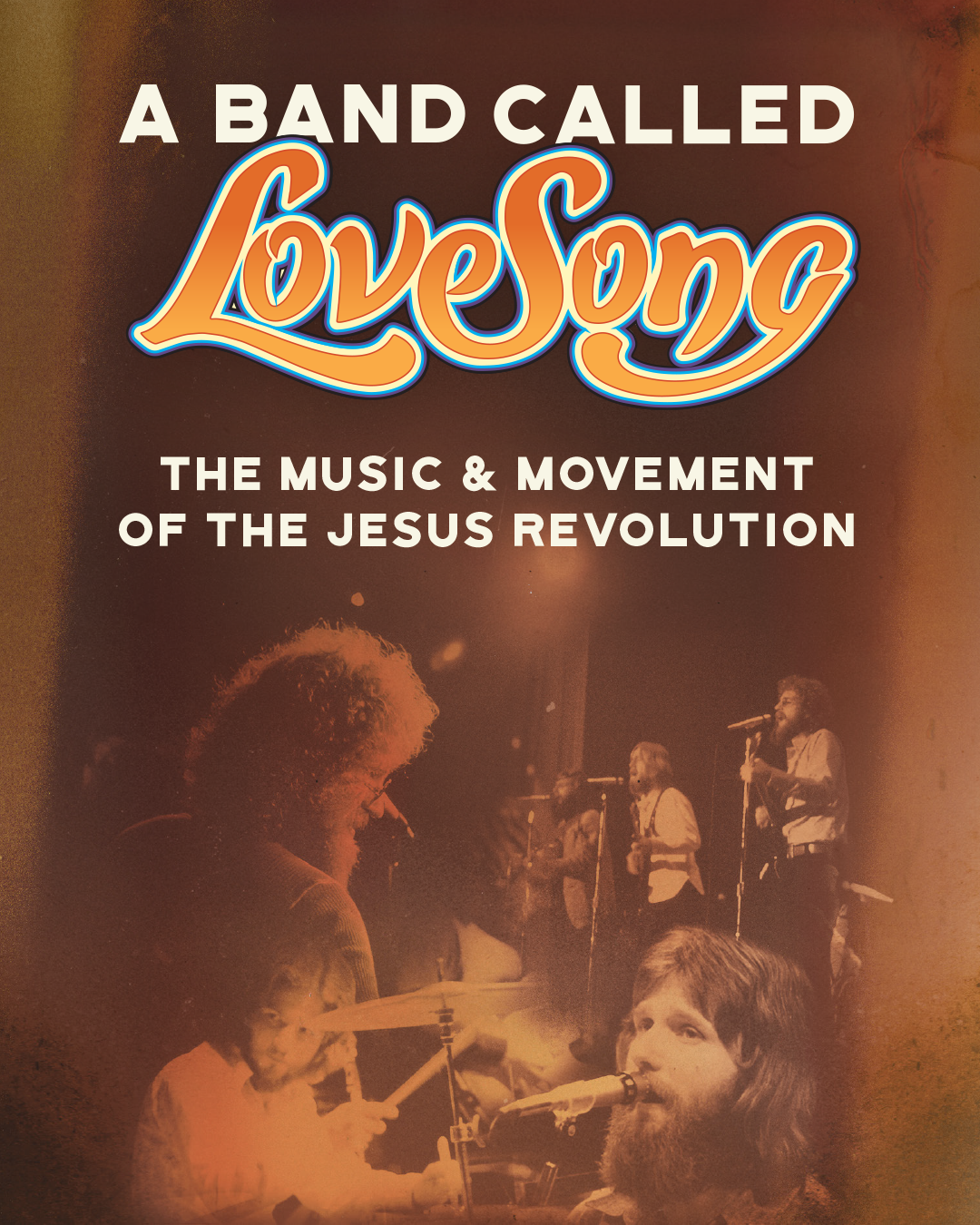
Recently a new documentary series came out about the music of the Jesus Movement, focused on one of the great bands from the era called LoveSong. The docuseries is out now on Amazon Prime Video and on SalemNOW. You can also find more information about it by visiting the aBandCalledLoveSong.com.
This documentary tells the story of the Jesus Movement through the eyes of the band, including their famous audition with Pastor Chuck Smith, and the birth of Contemporary Christian Music.
This docuseries reflects the essence and identity of the Calvary Chapel movement and the ongoing legacy of its ministry. I recommend that you check it out!





 Theology for the People