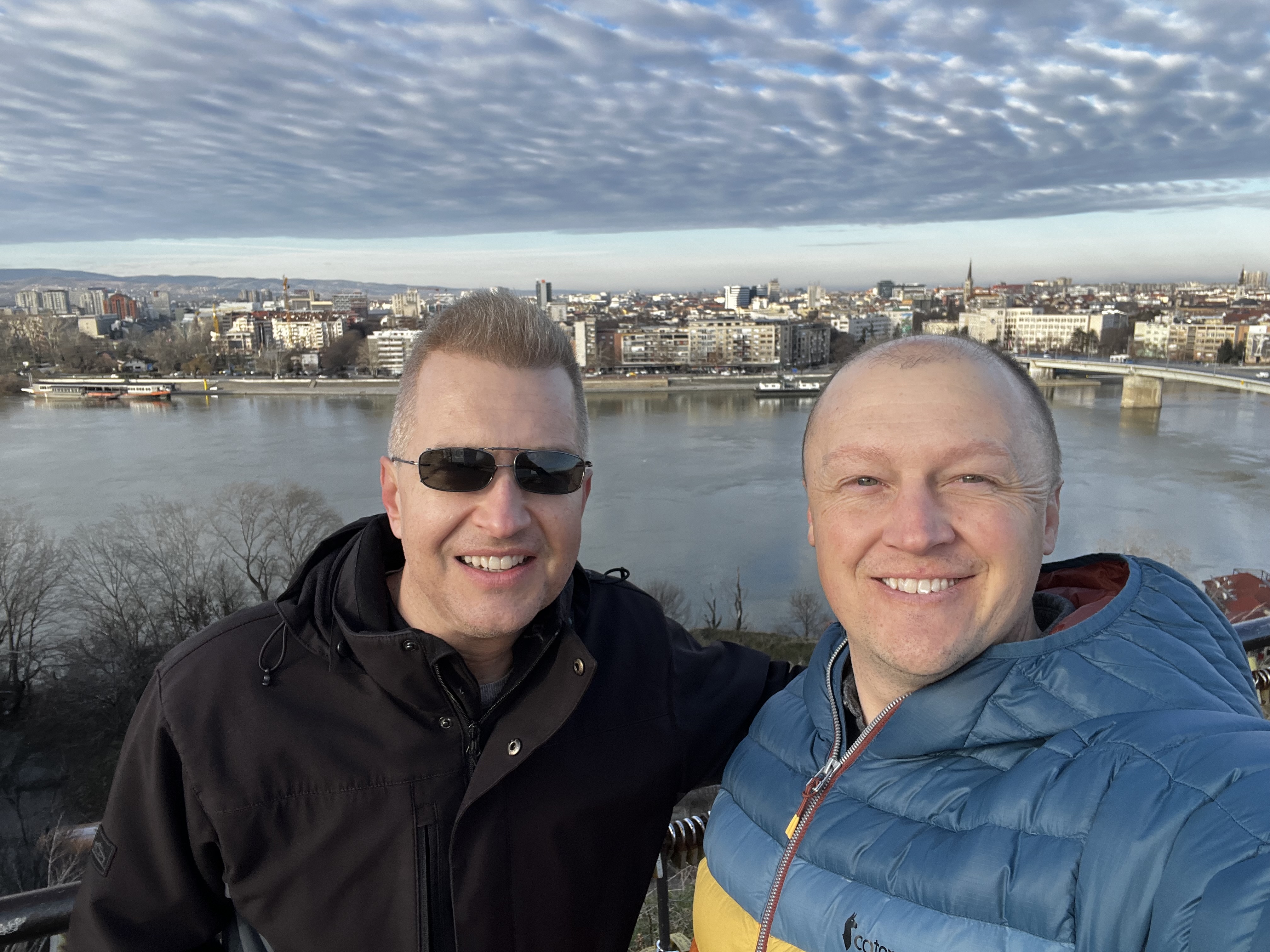
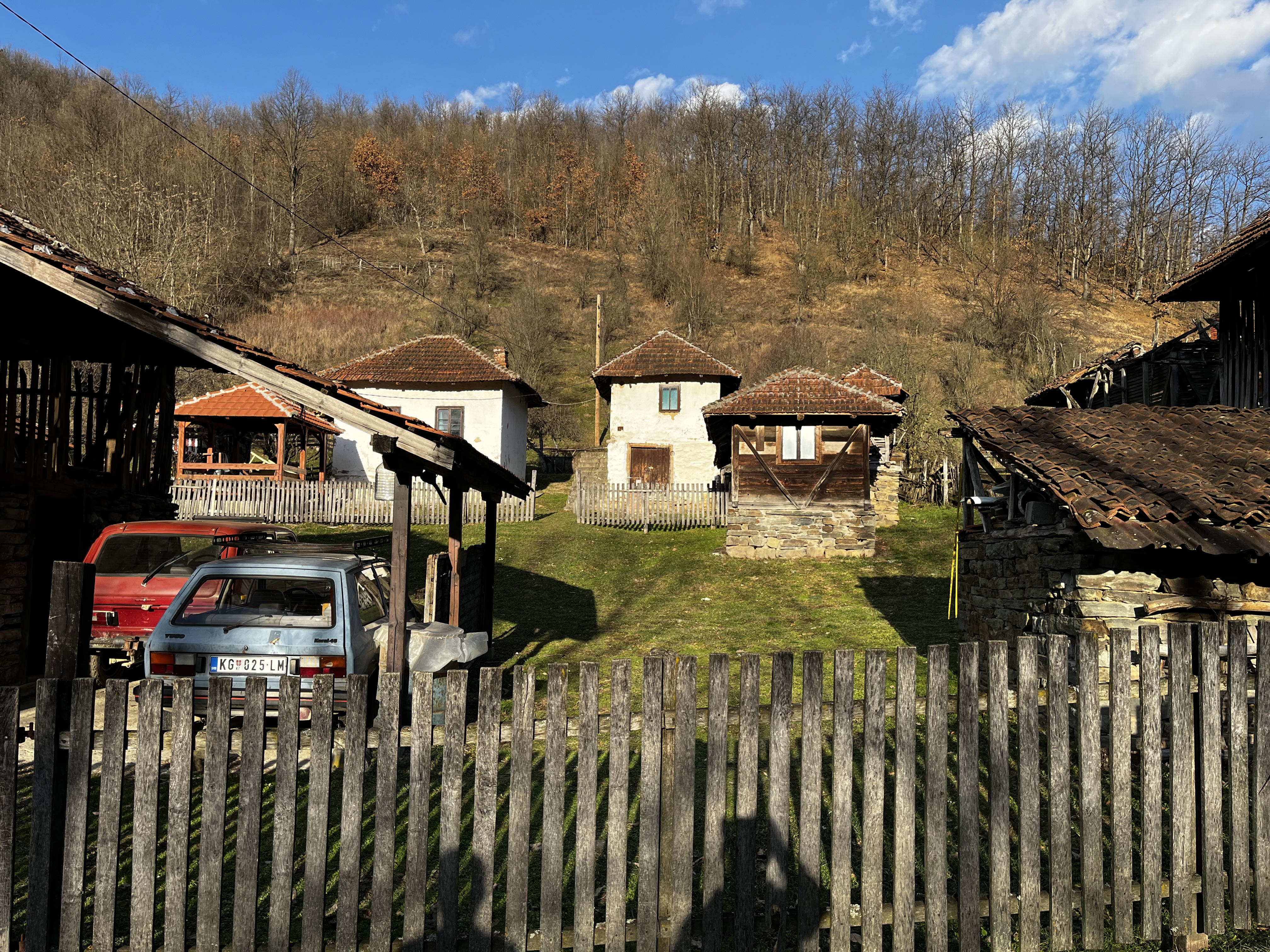
Earlier this week I came home from a 12-day trip to Ukraine and Serbia. I went with two other pastors from White Fields Church: Nate Medlong and Michael Payne, to speak at some conferences and visit pastors and ministry partners.
After I arrived home, I sat down with Nate Medlong to discuss what we did on the trip. In this video, we talk about where we went, what we did, and some important things we took away from the trip.
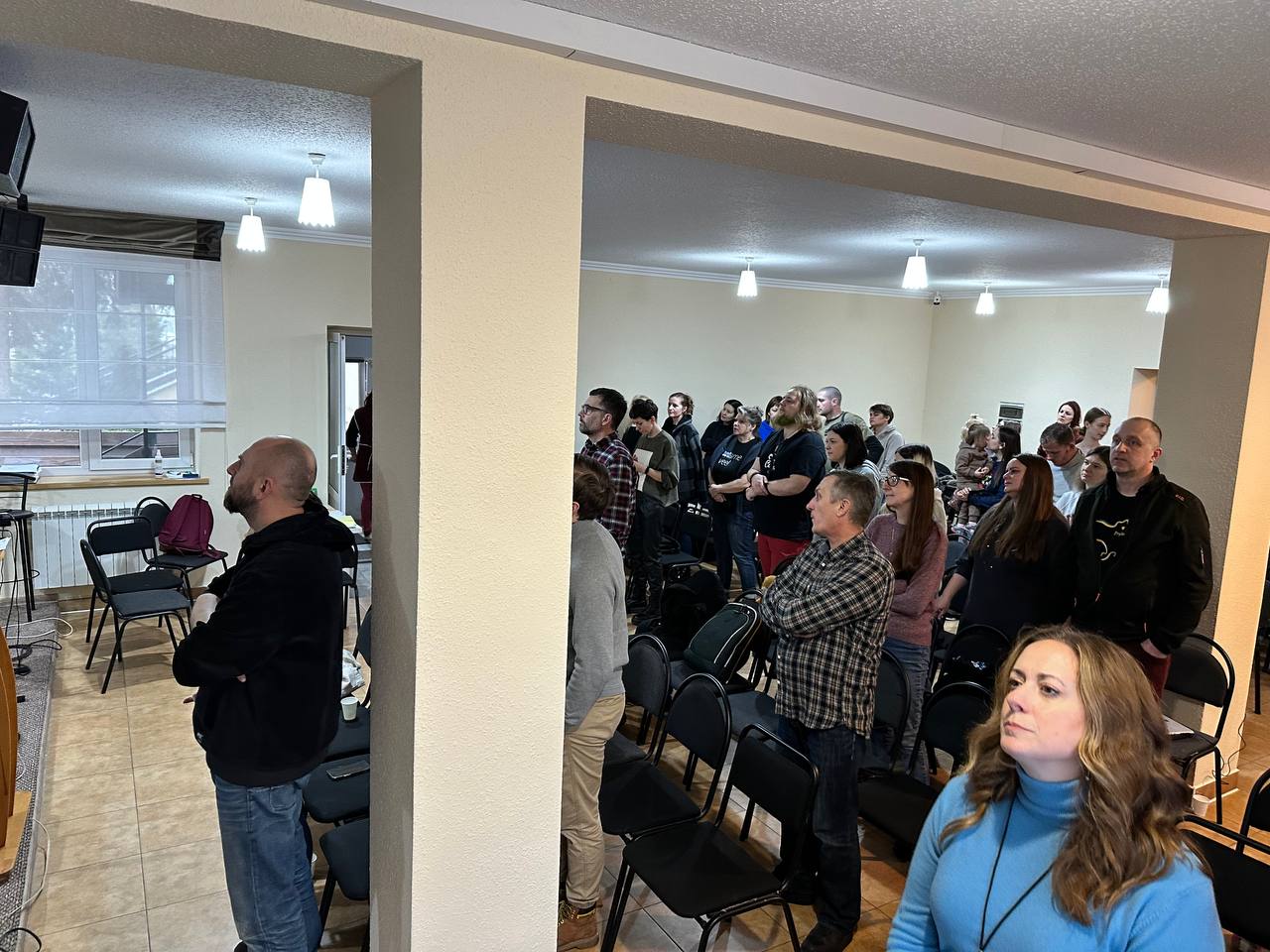
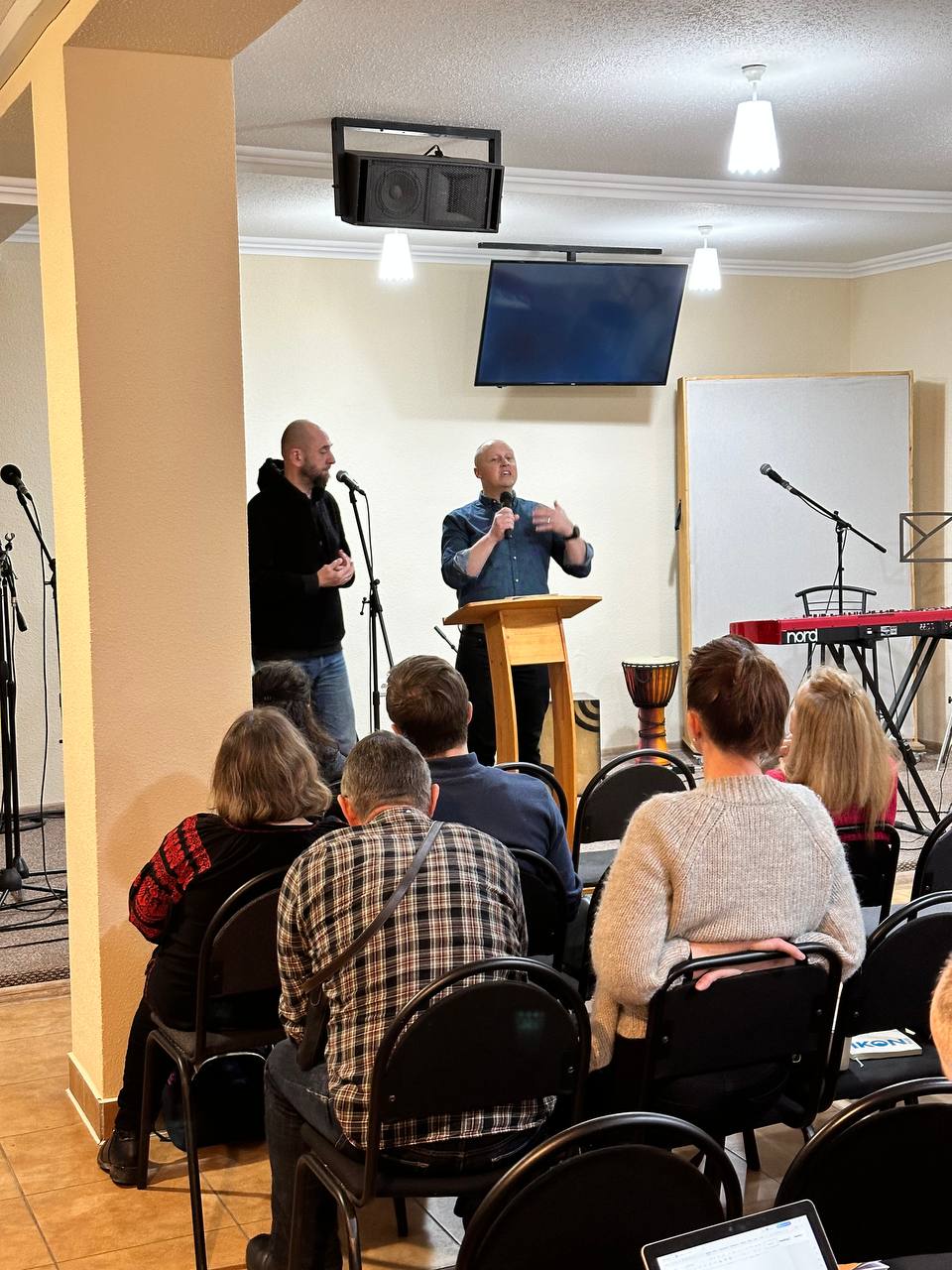
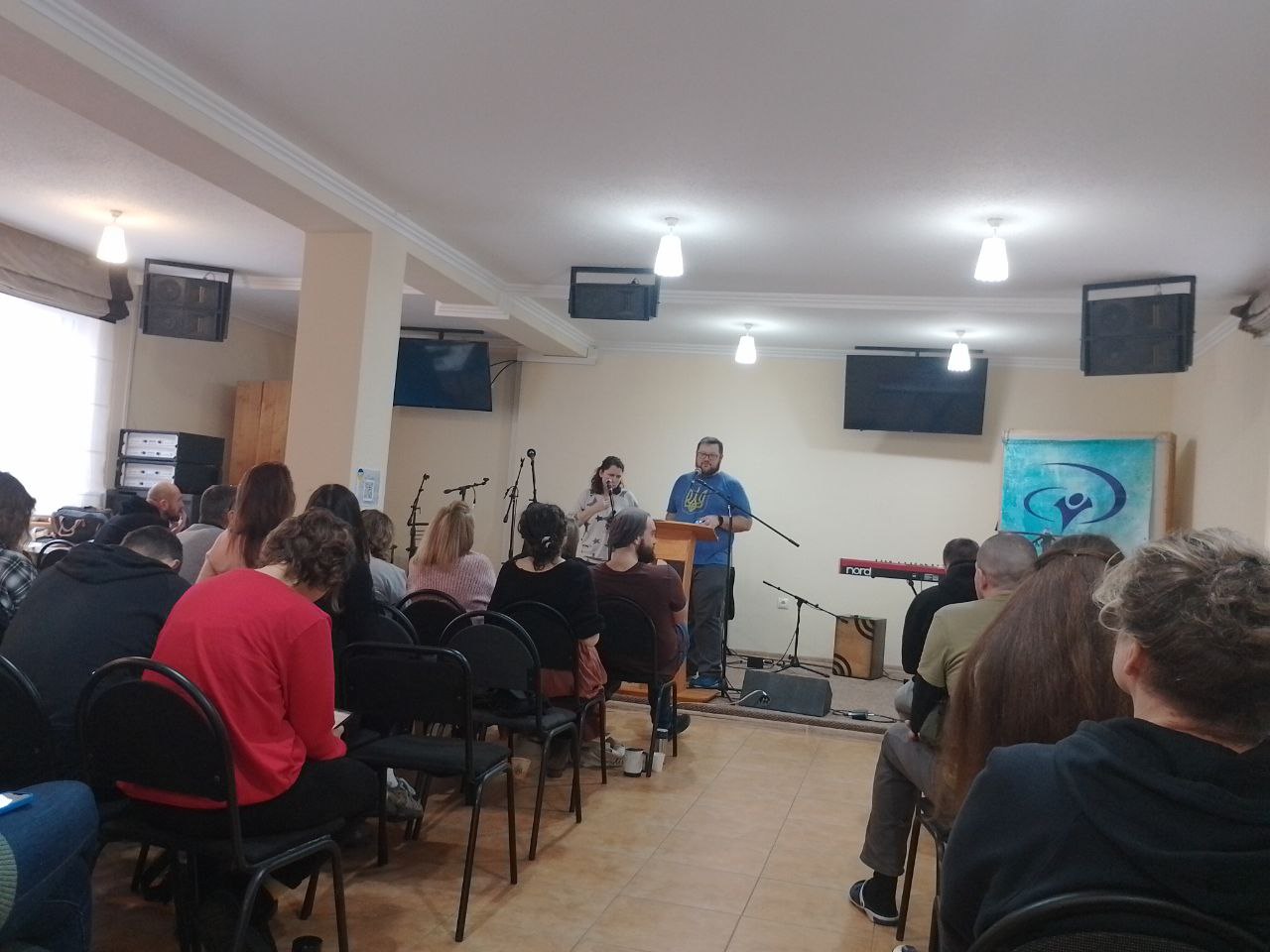
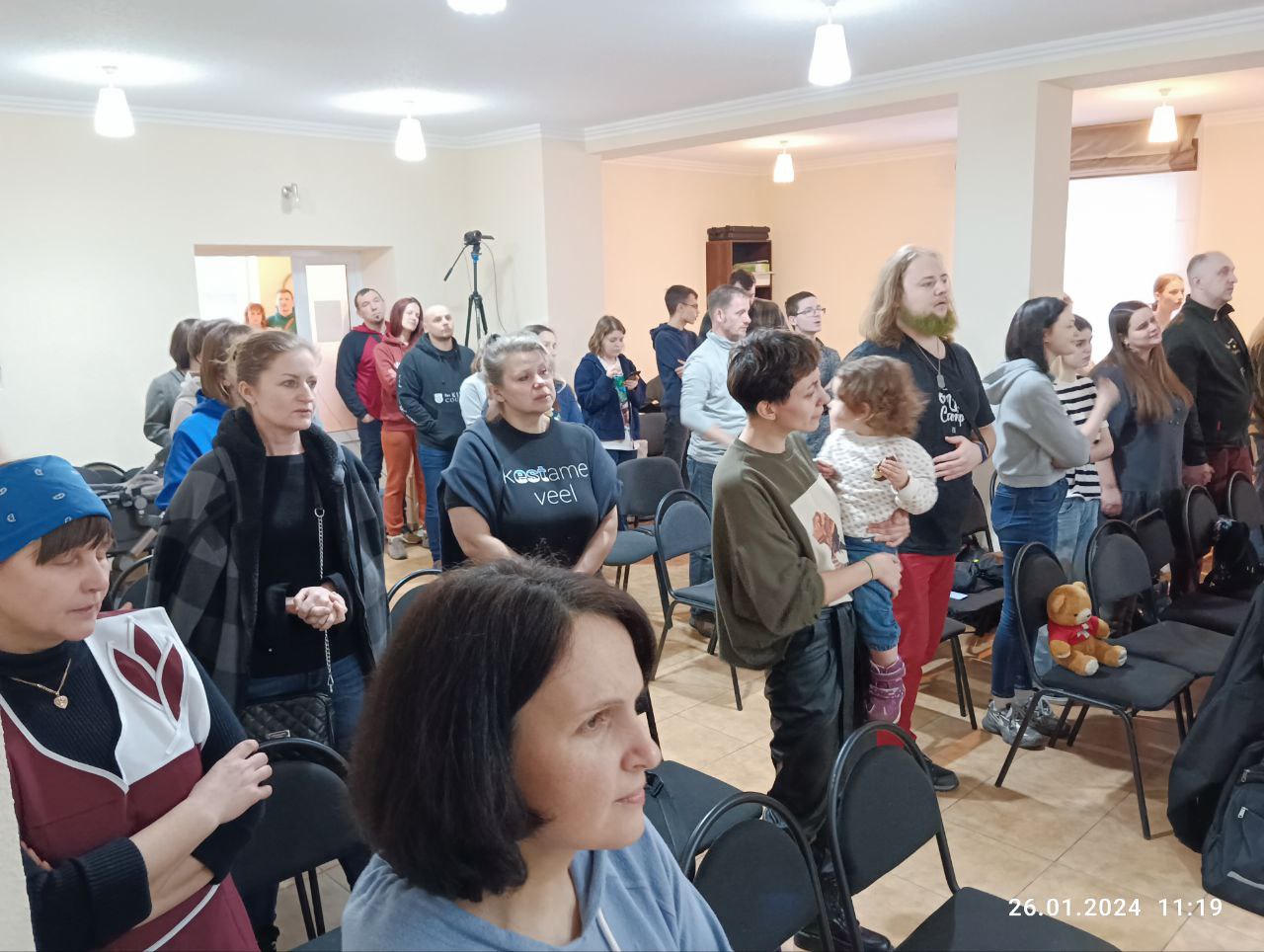
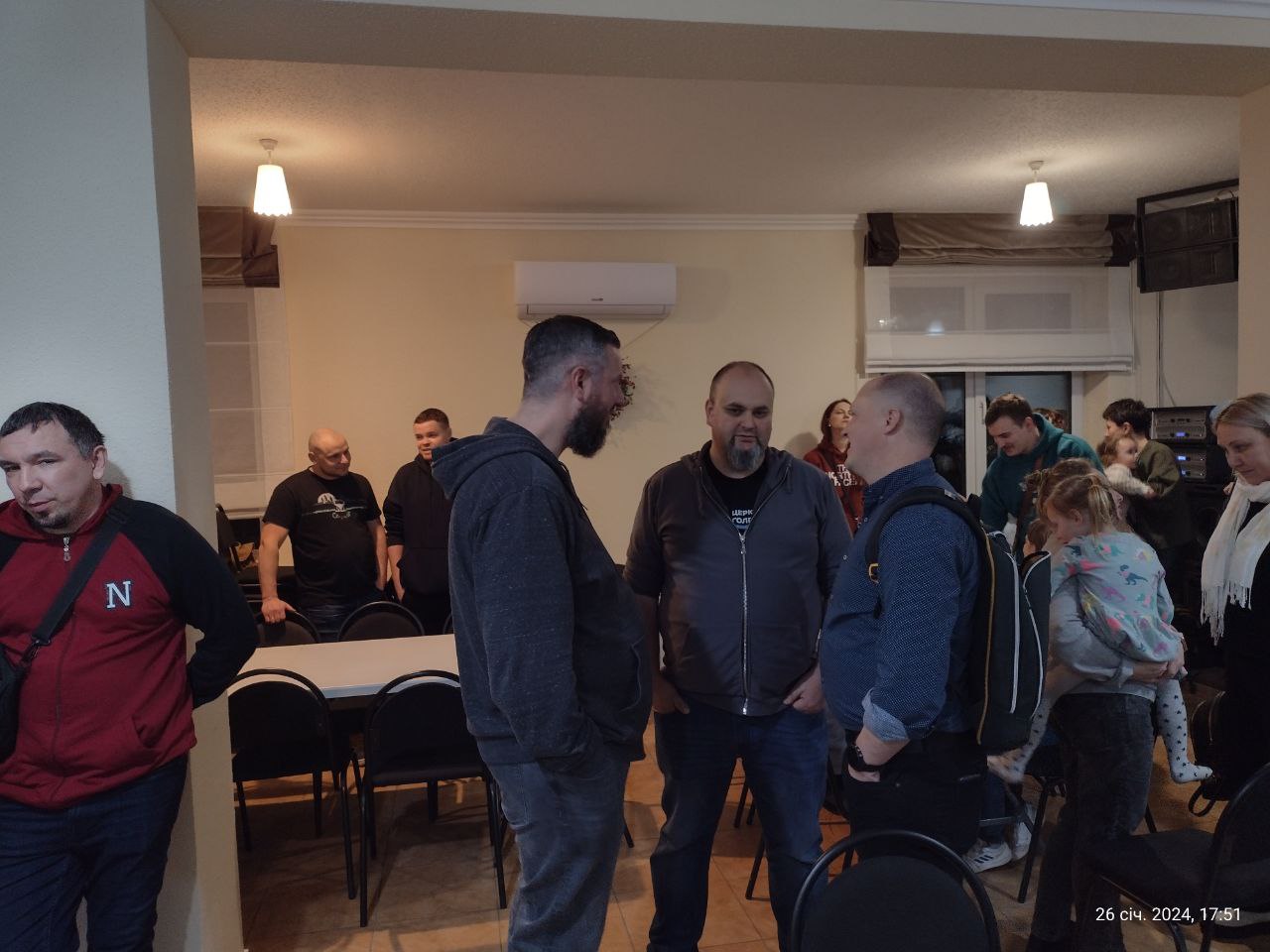
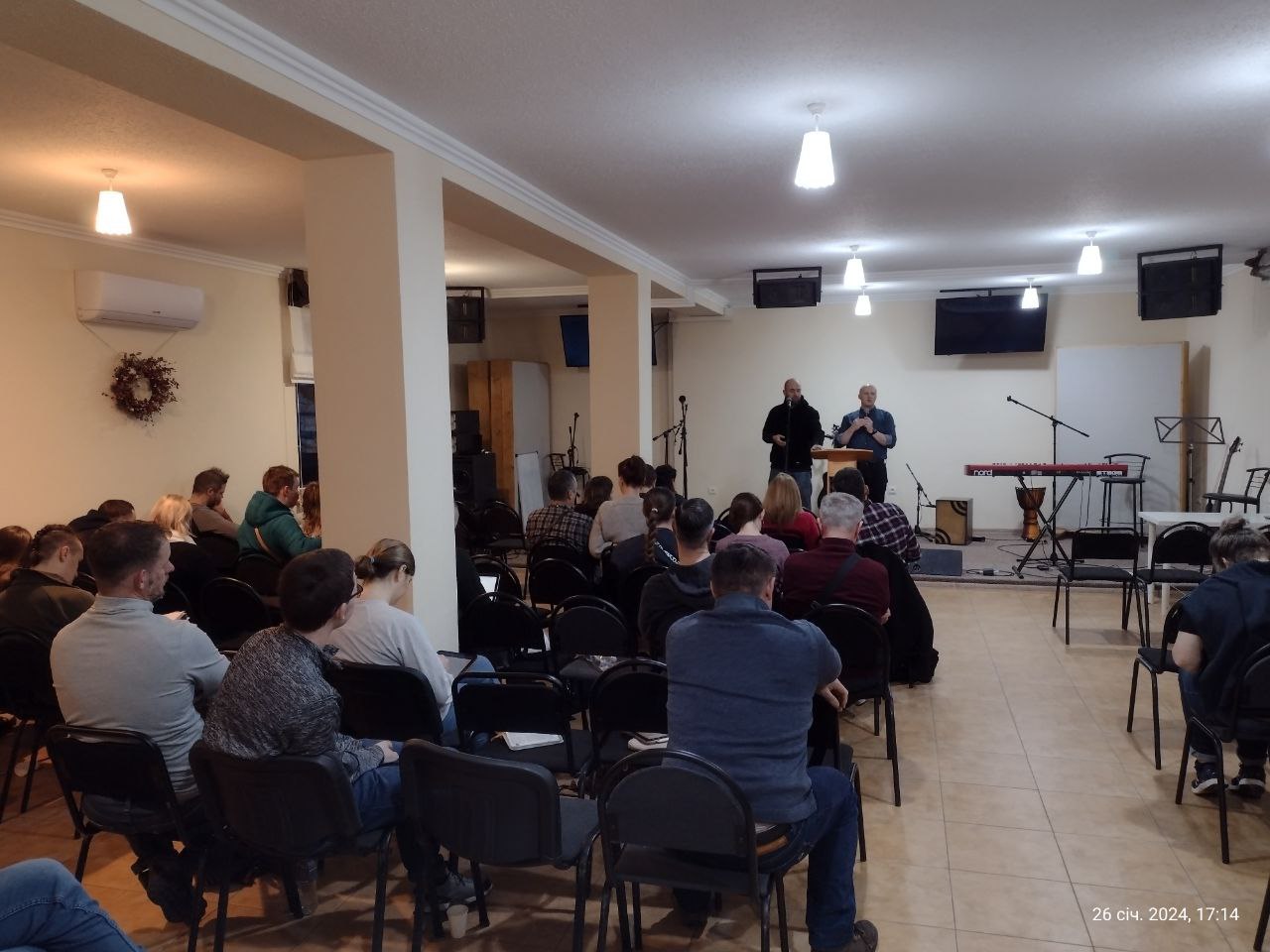
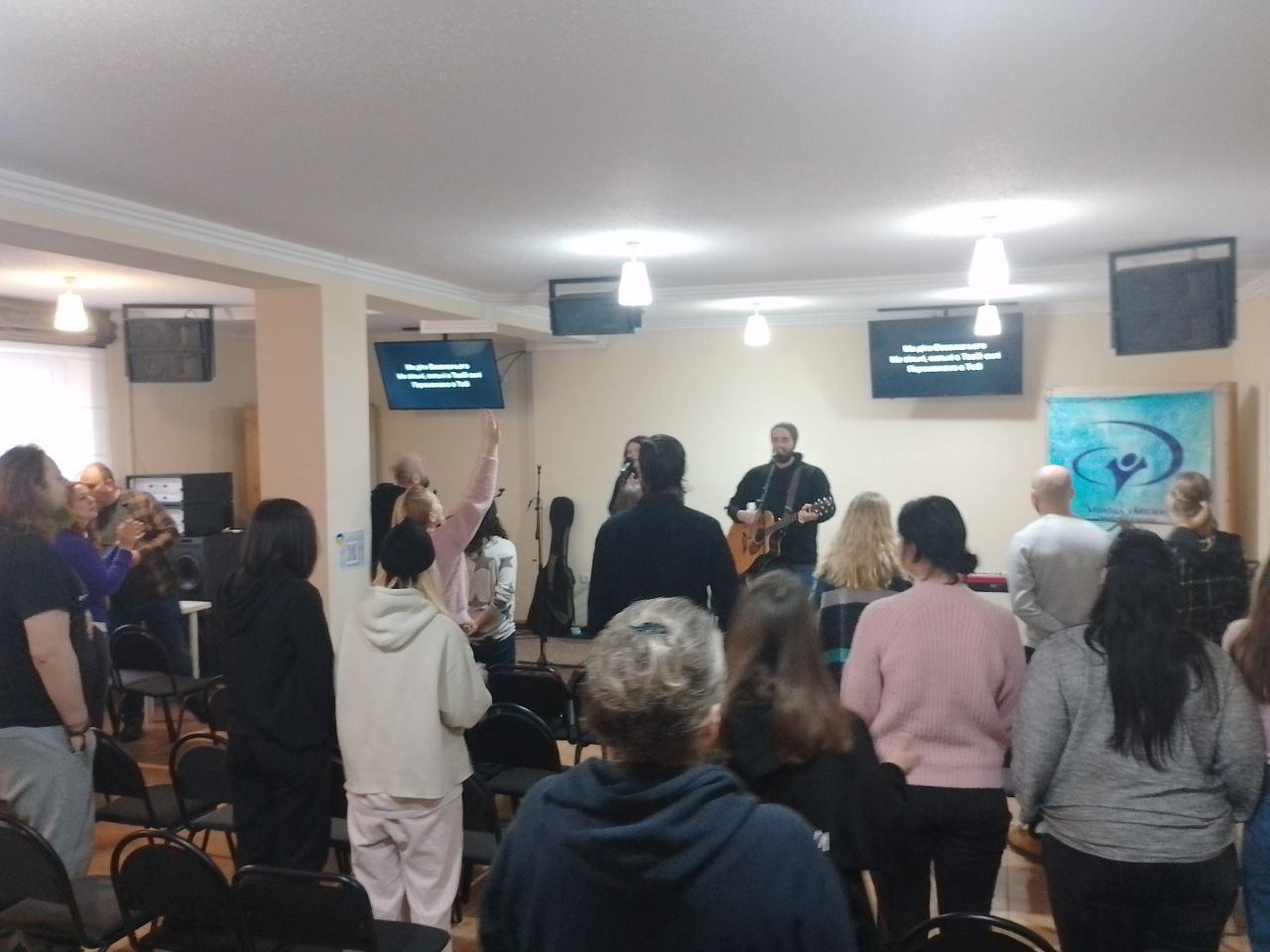
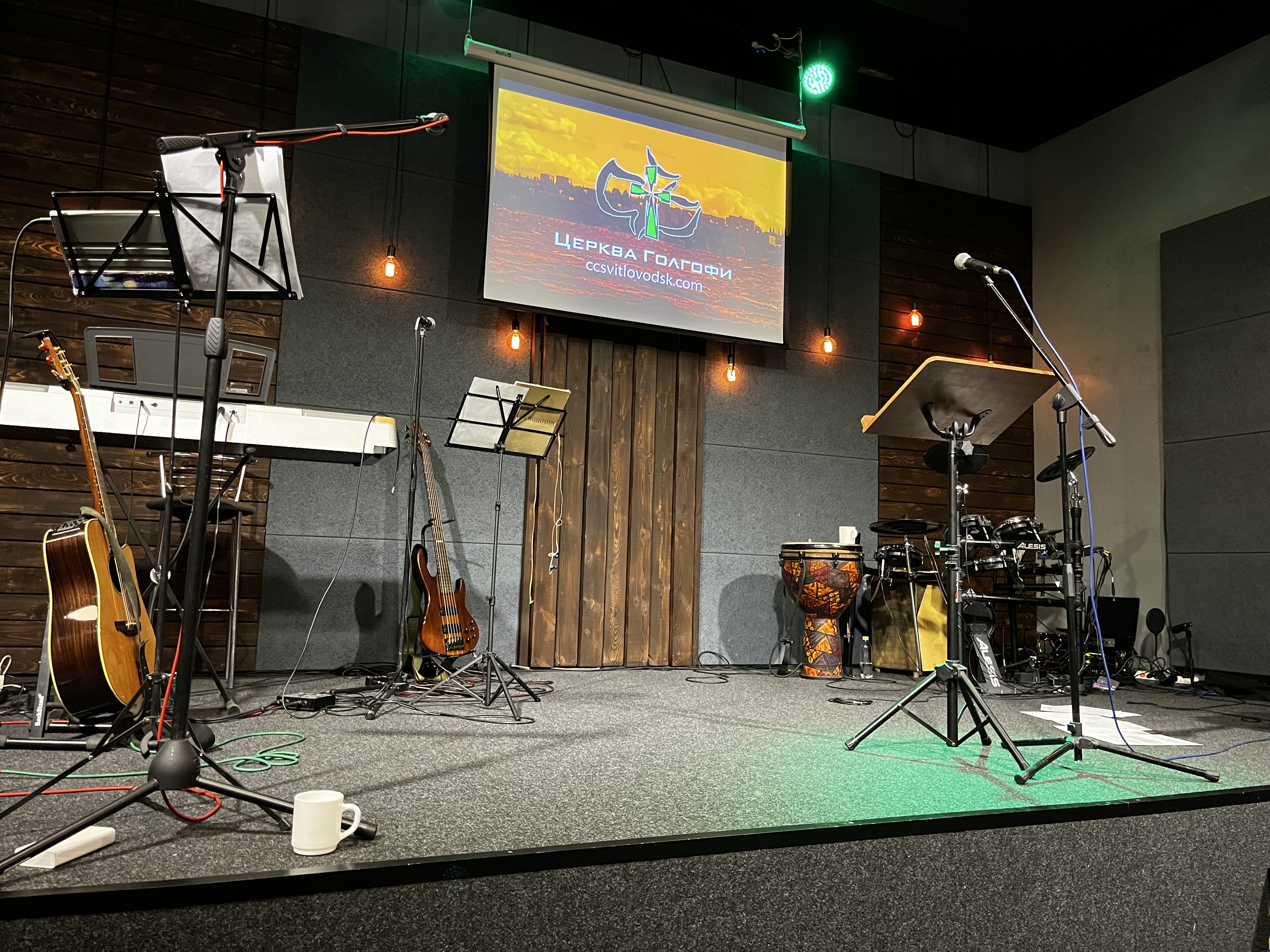
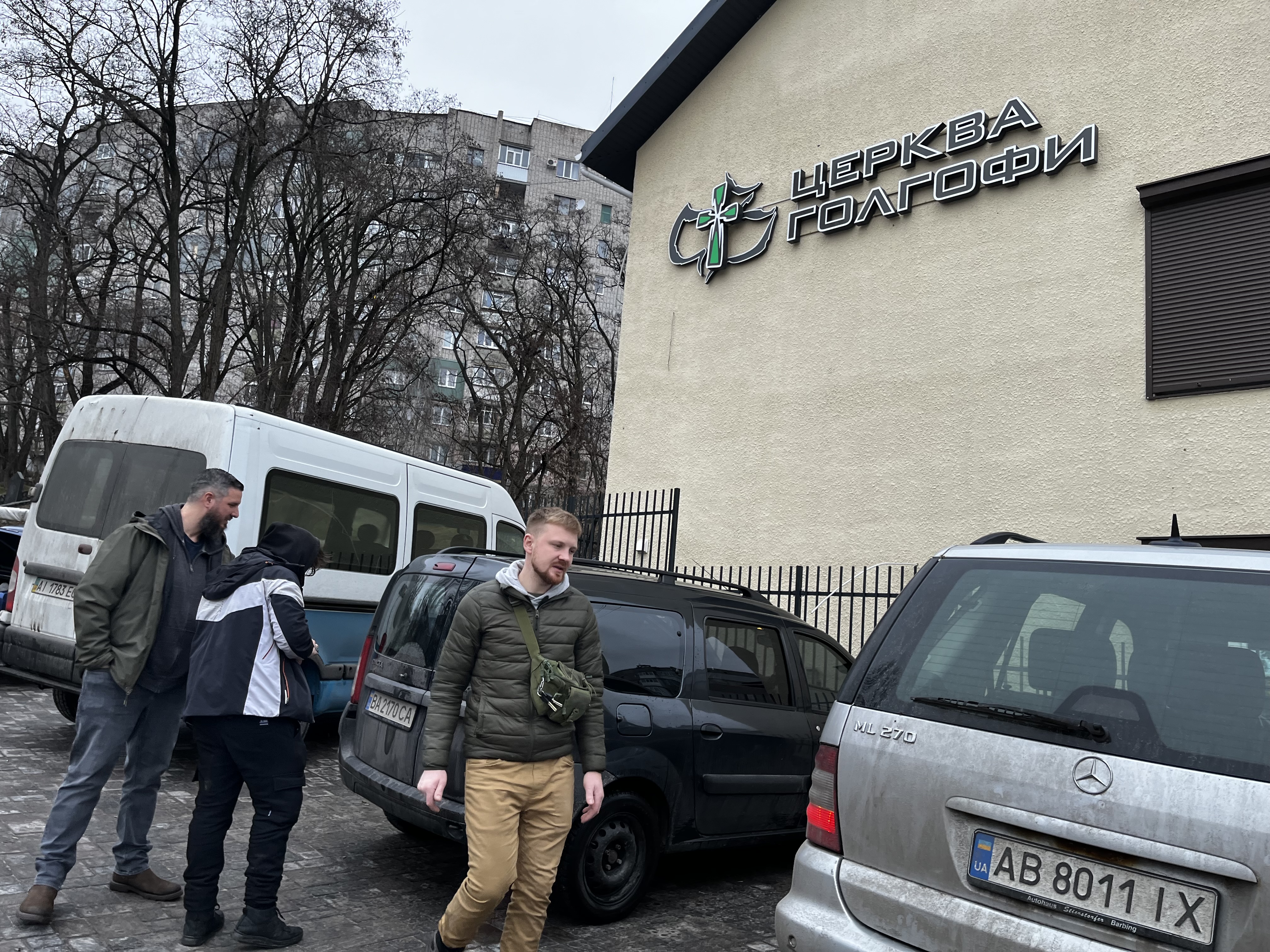
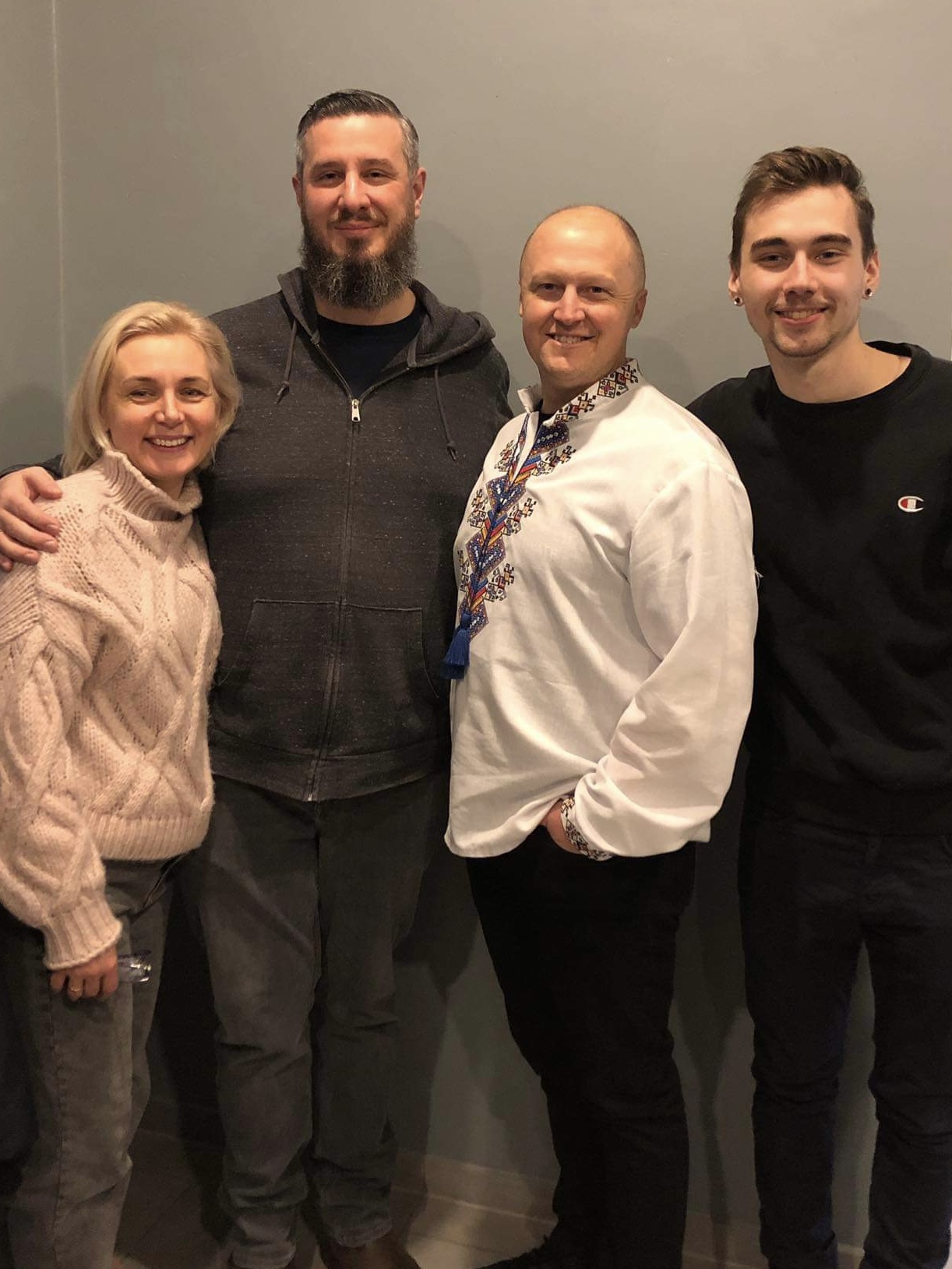
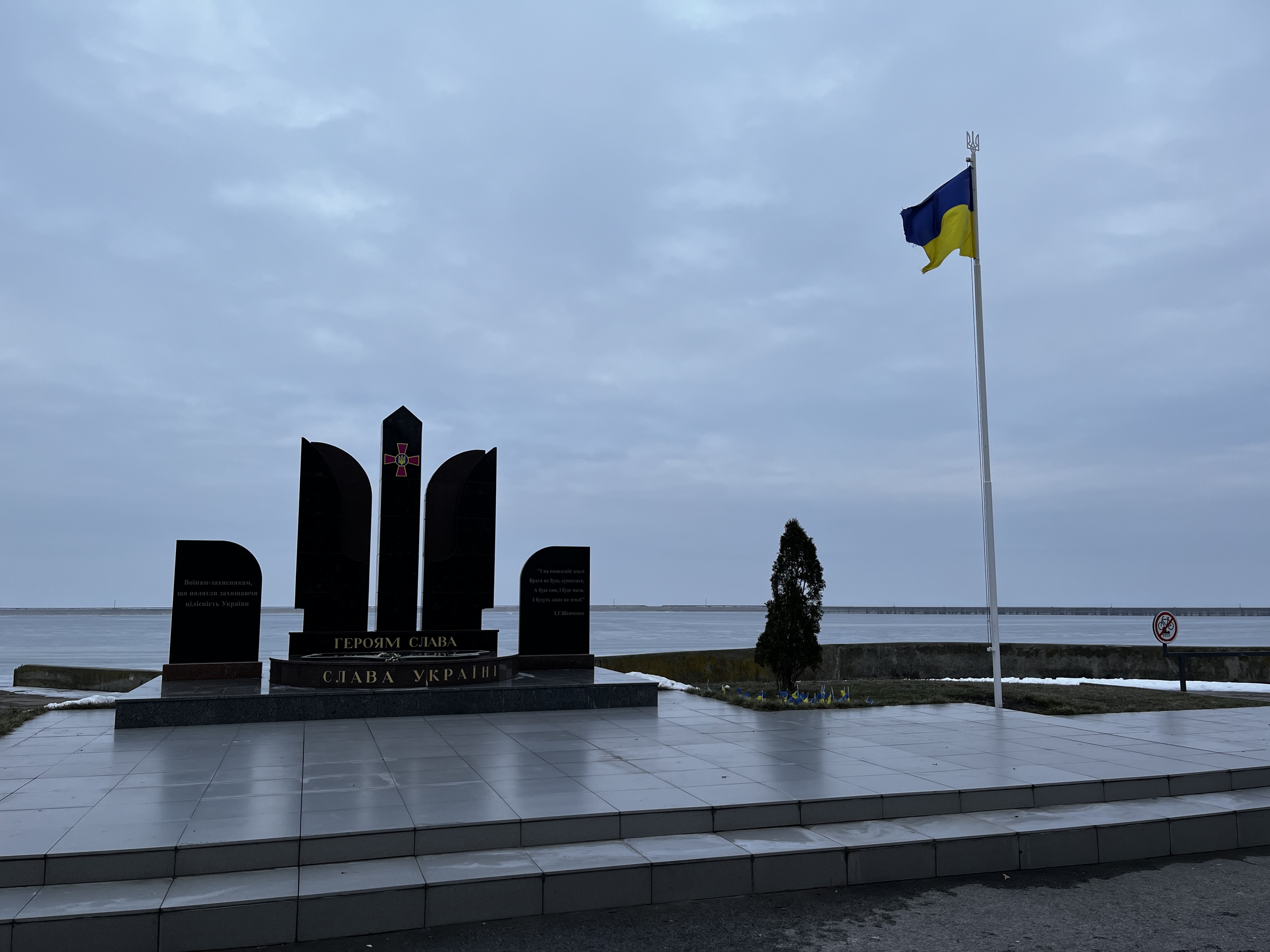
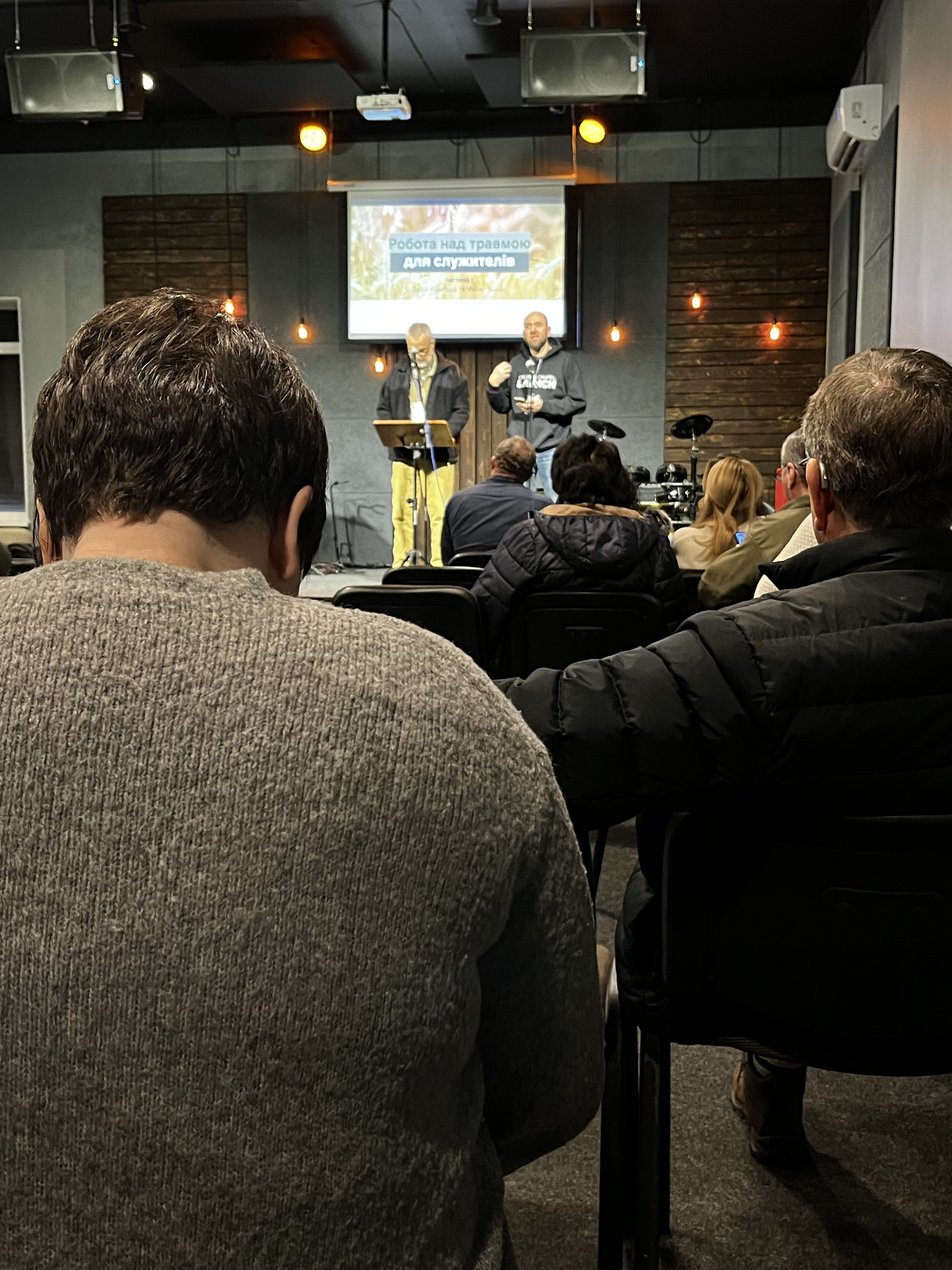
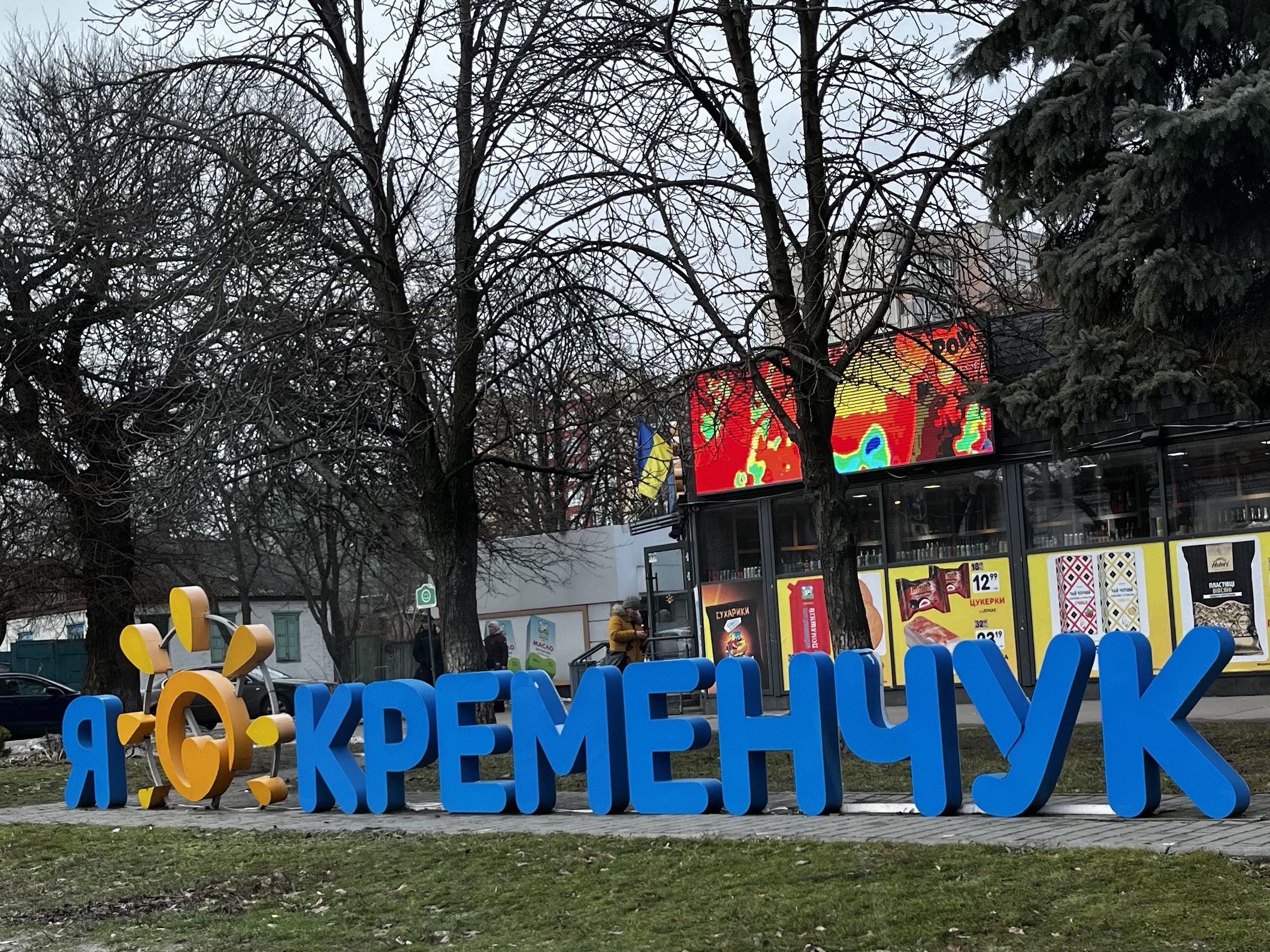
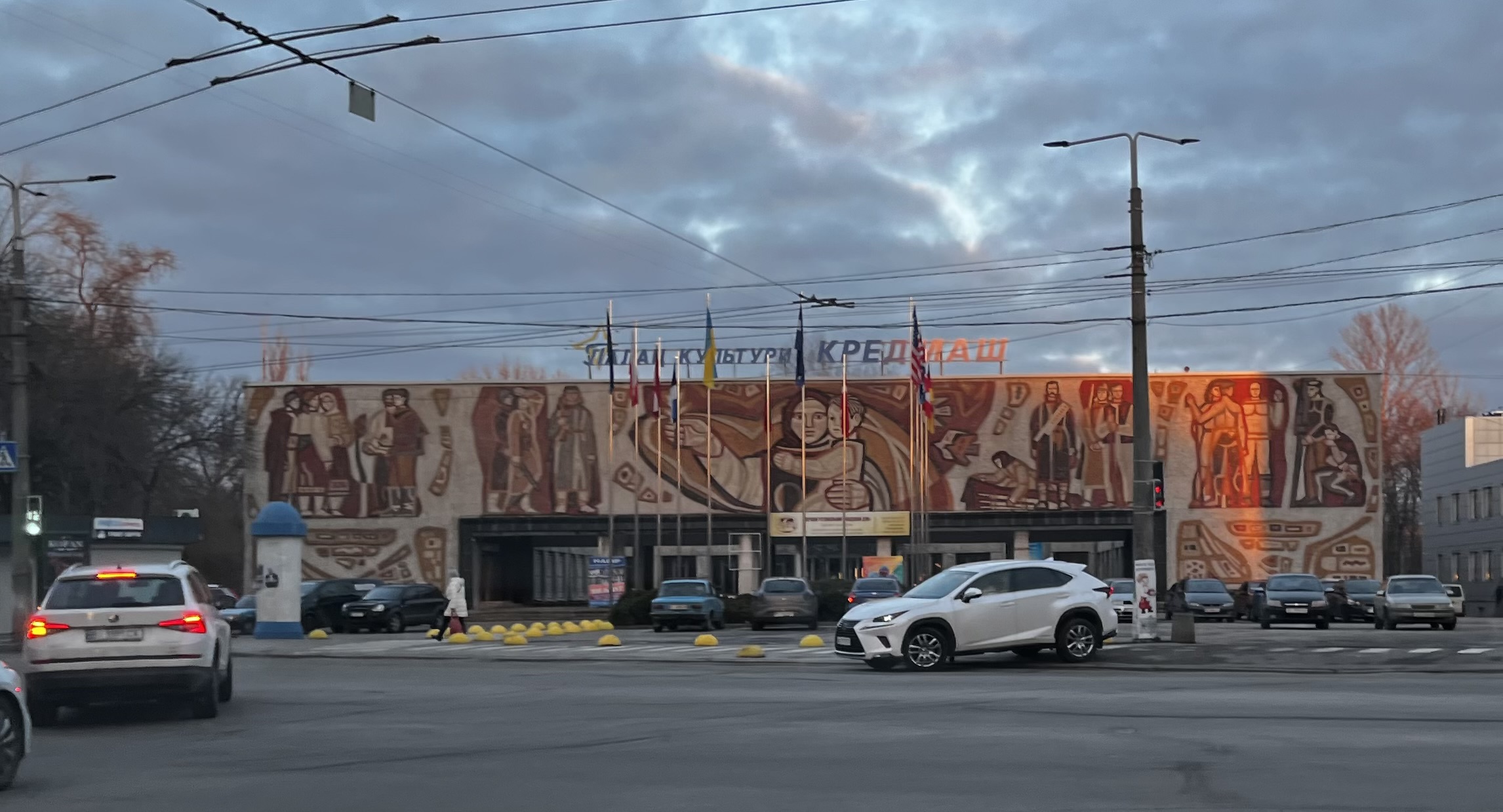
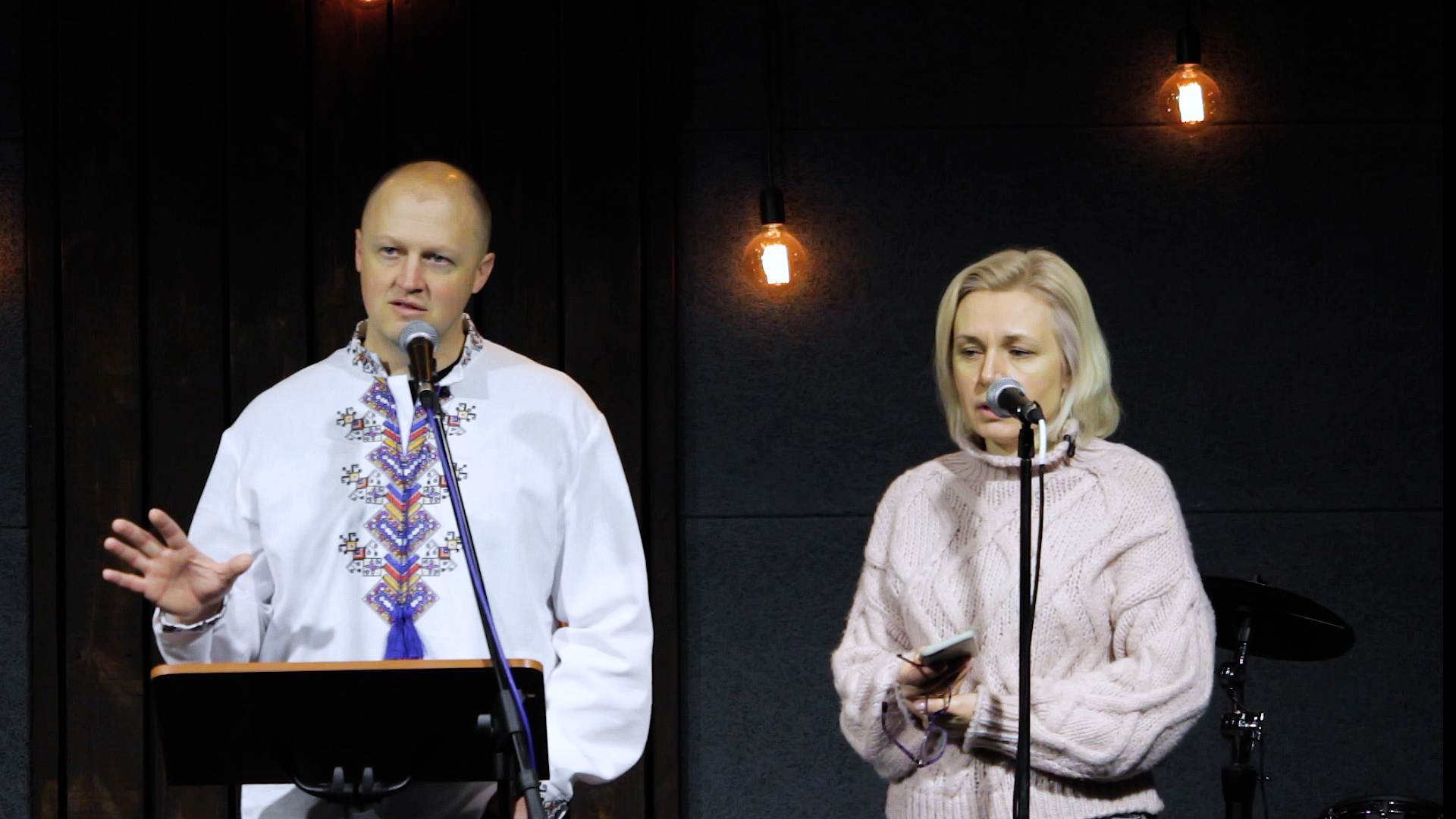
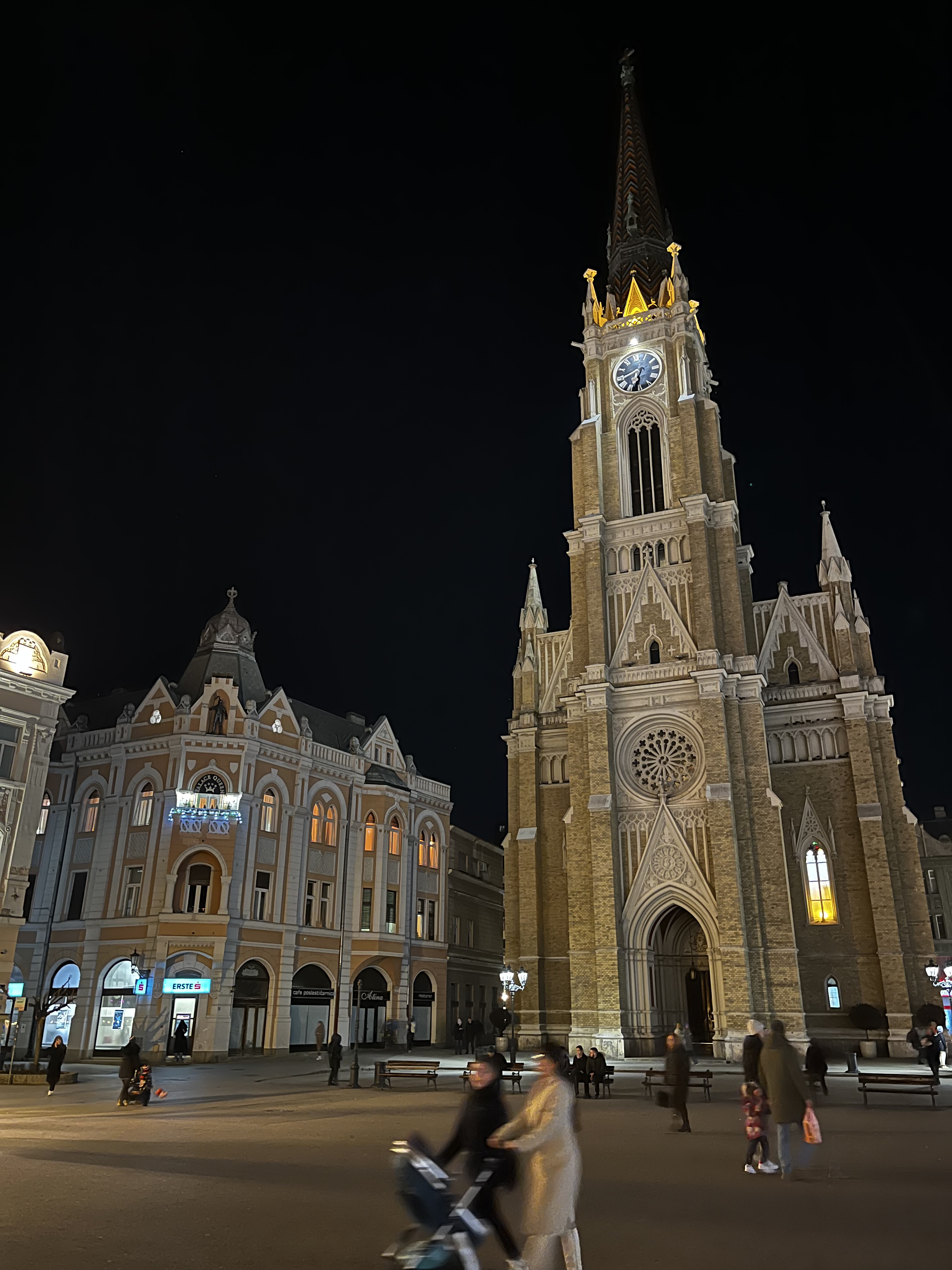
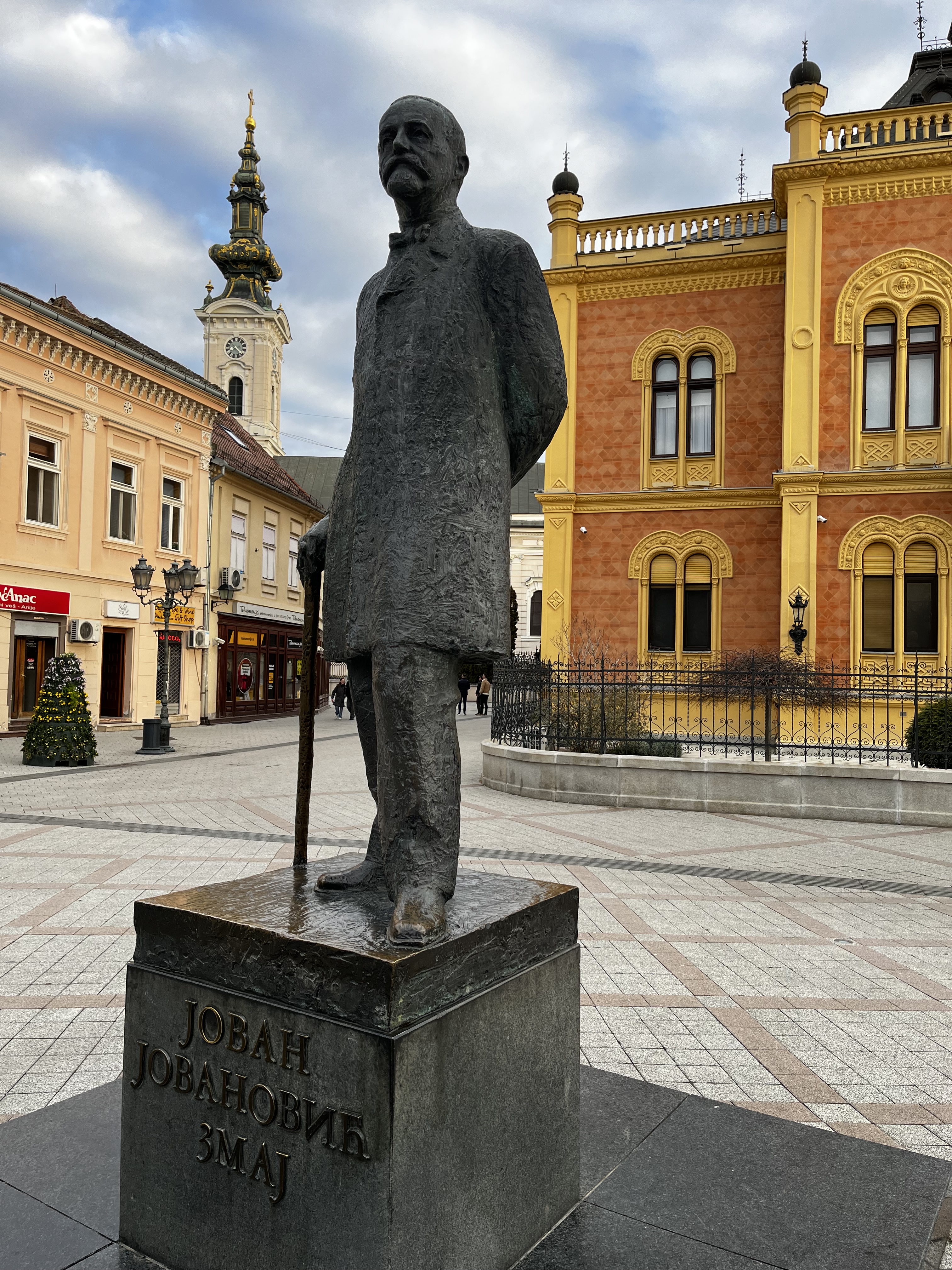
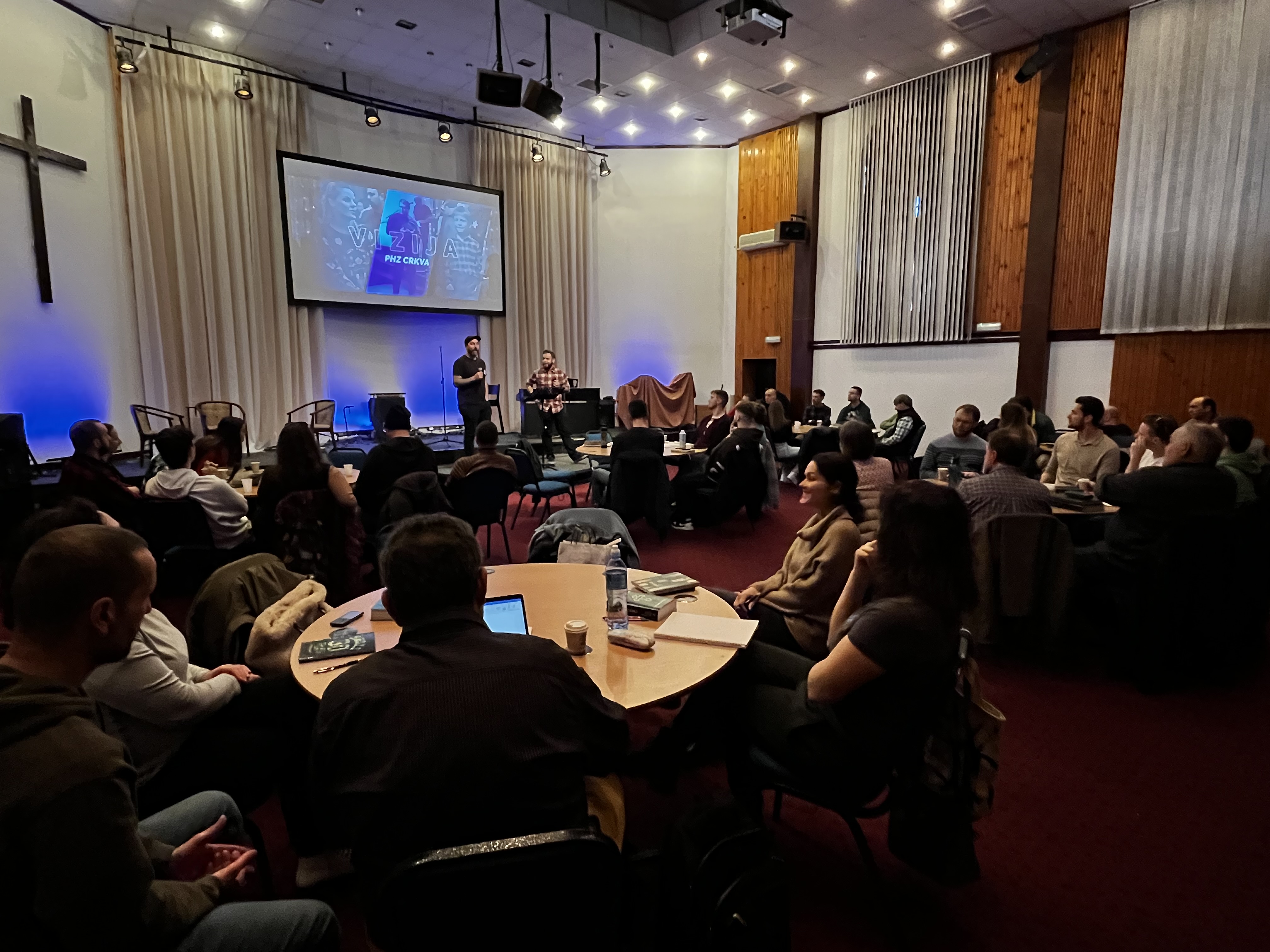
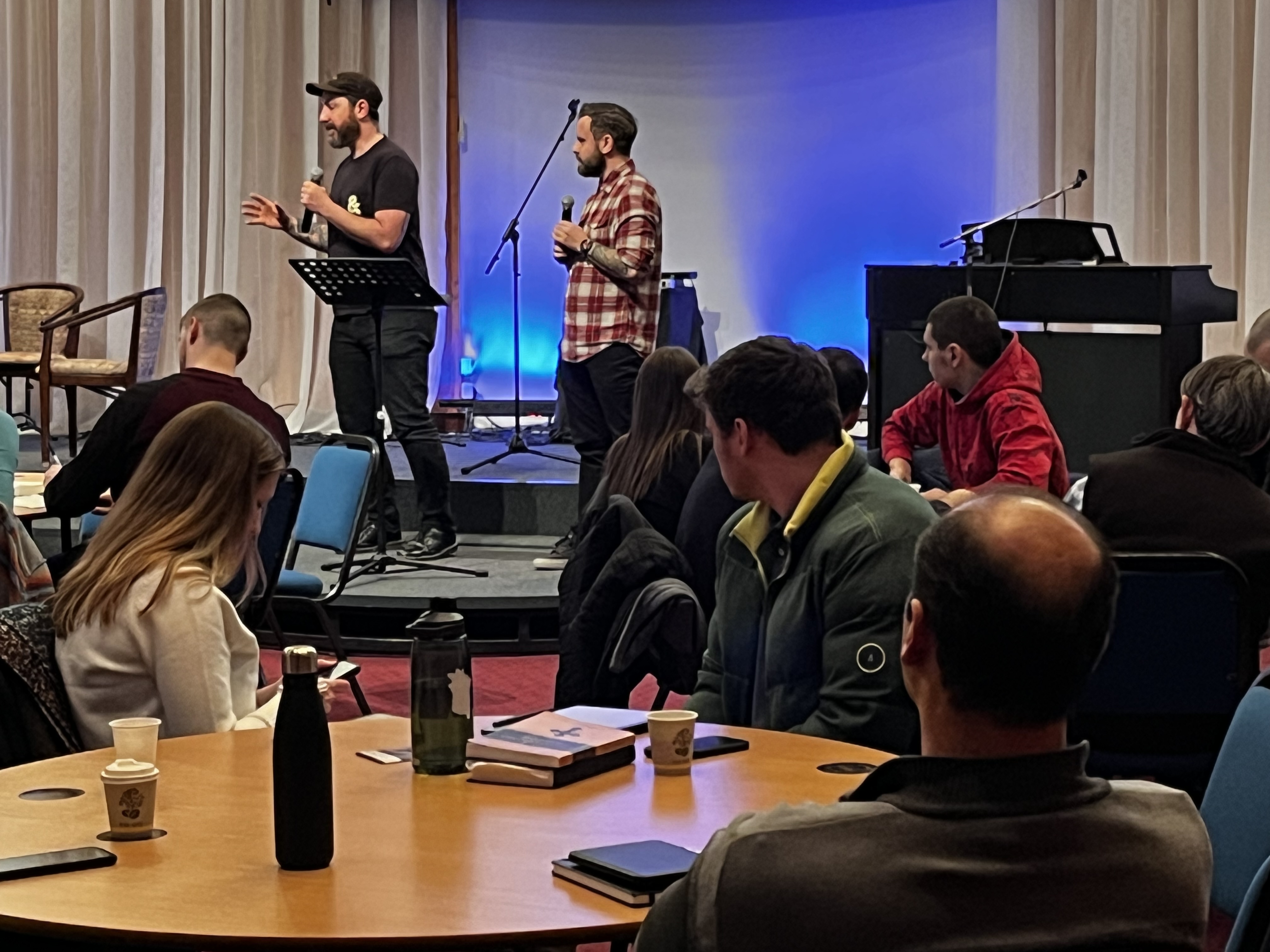
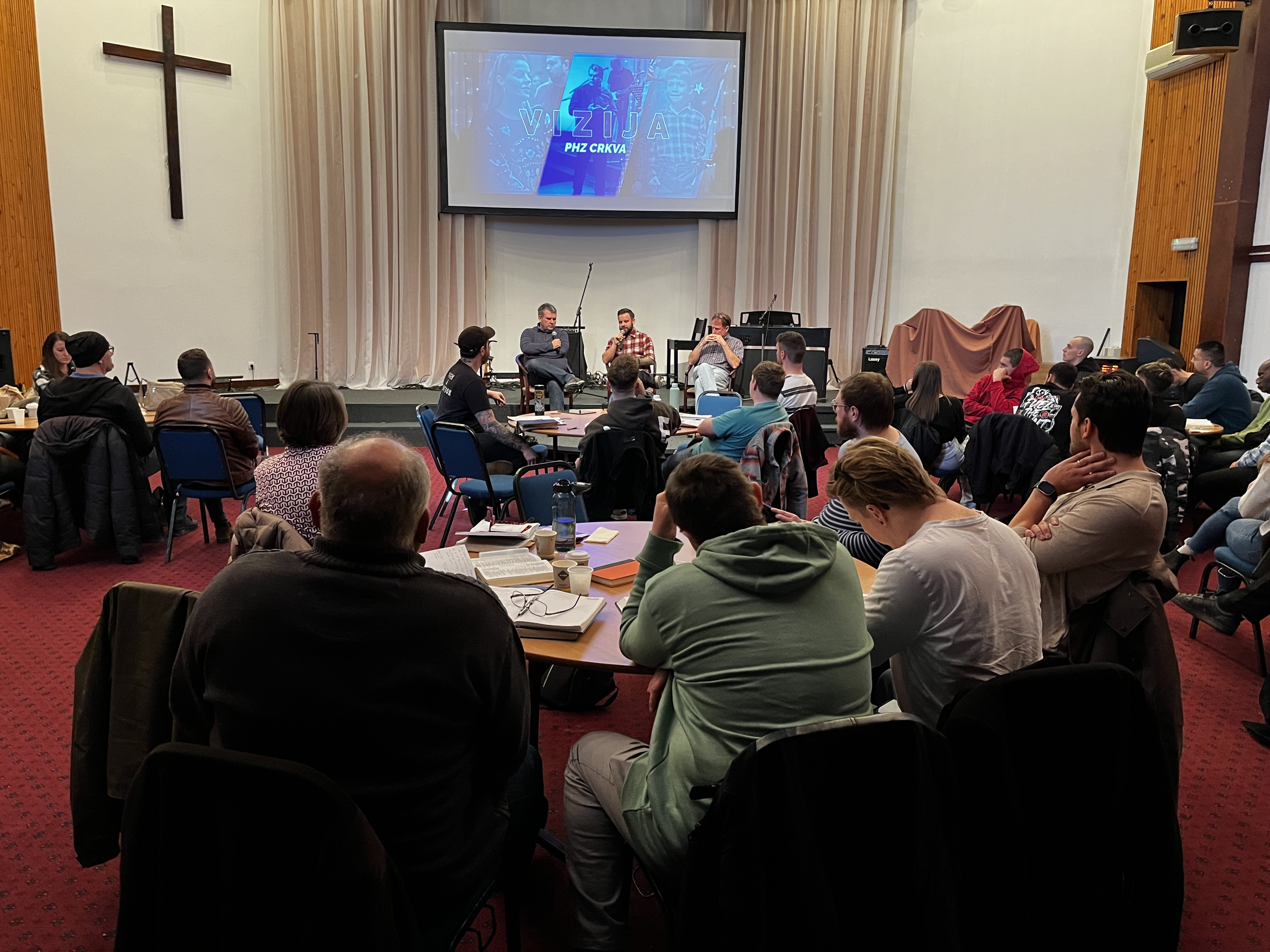
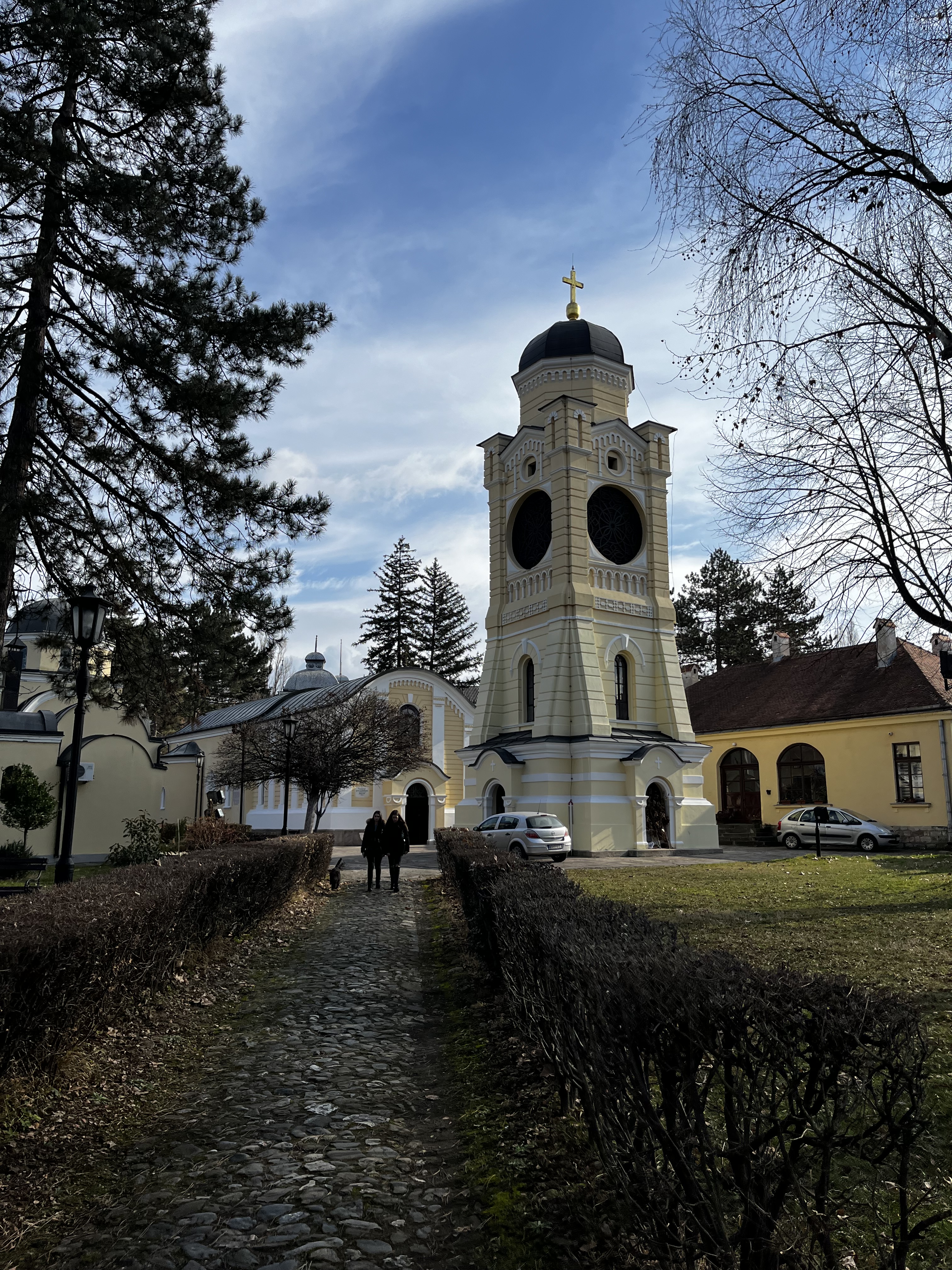
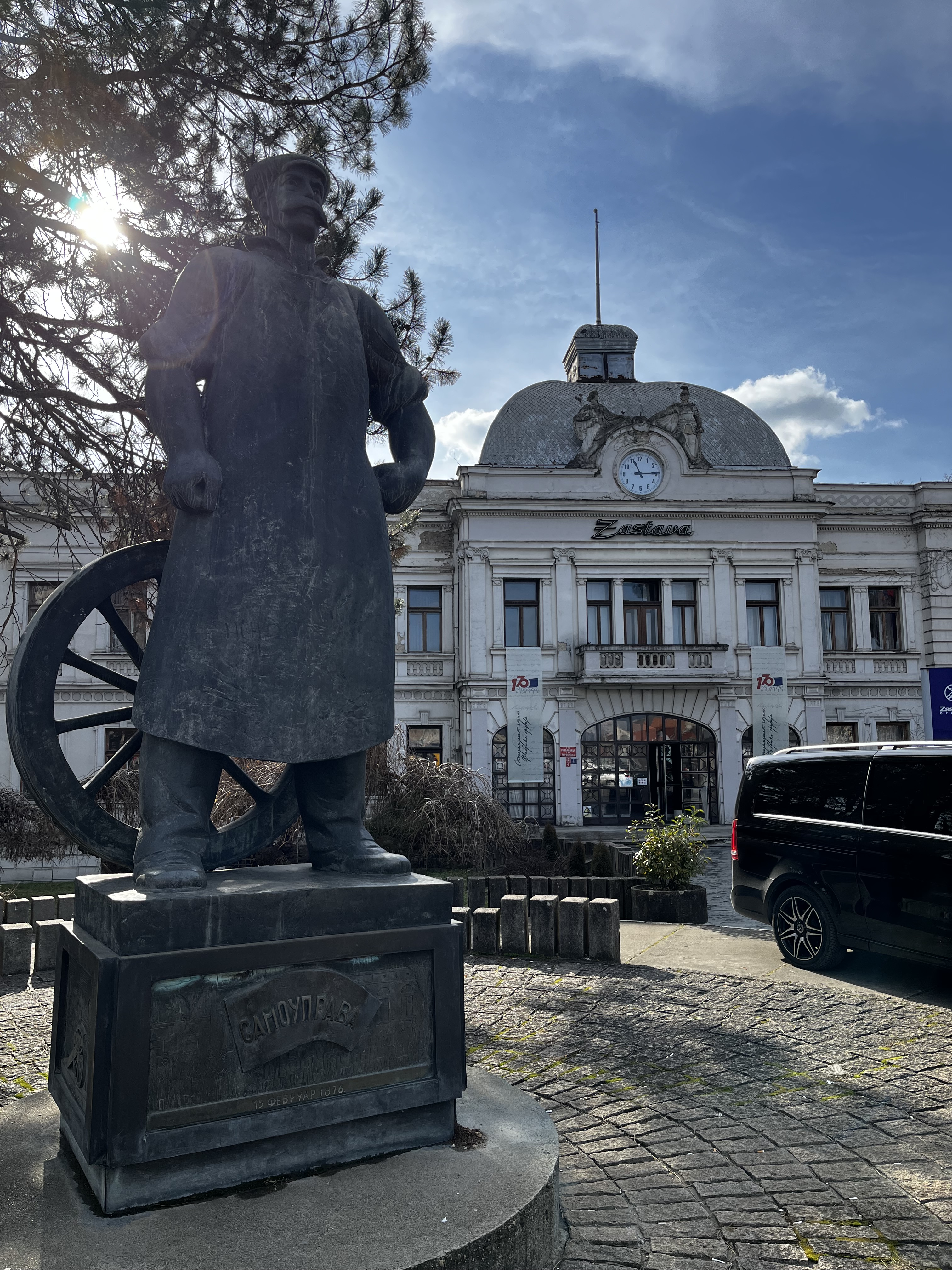
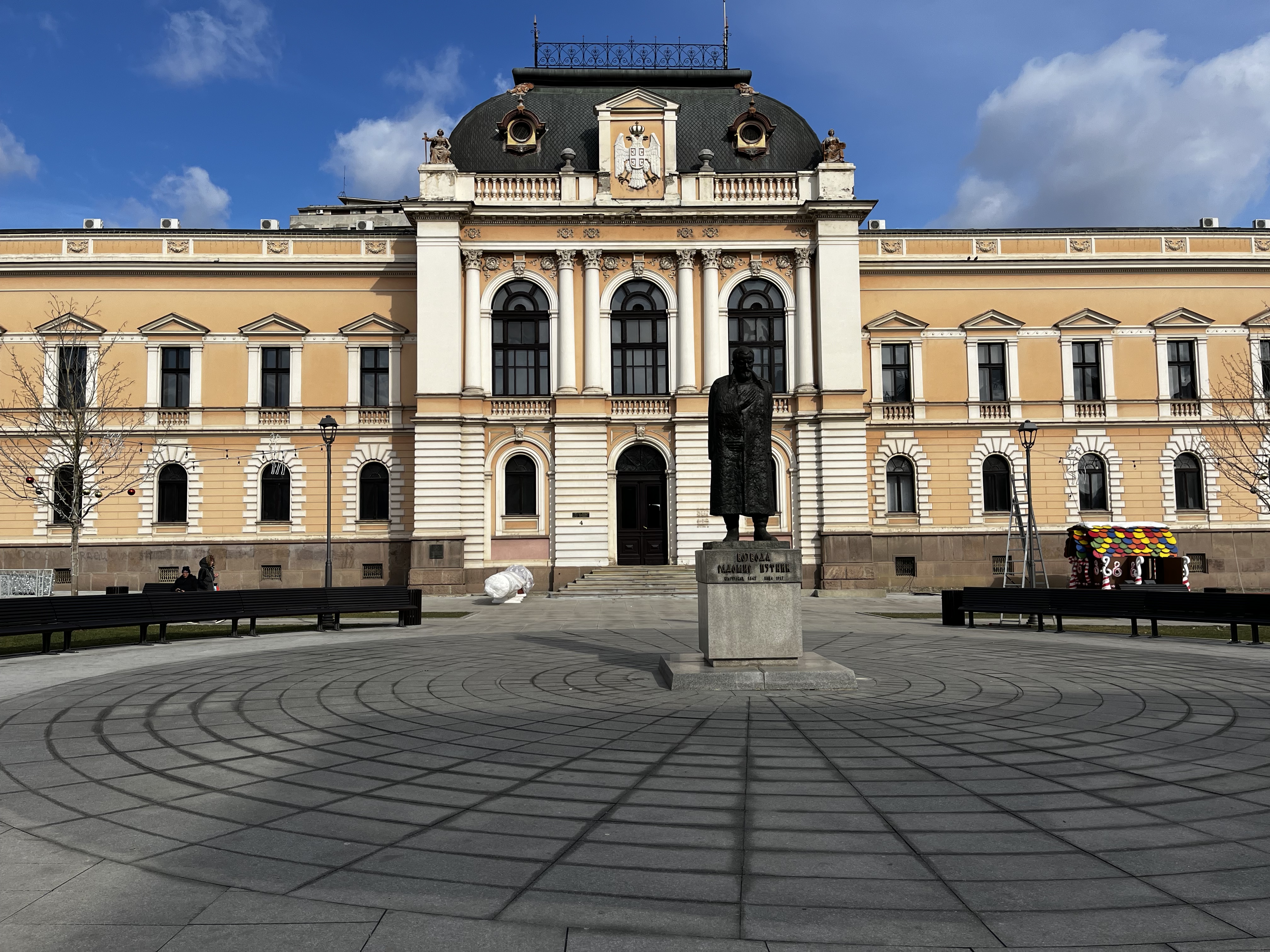
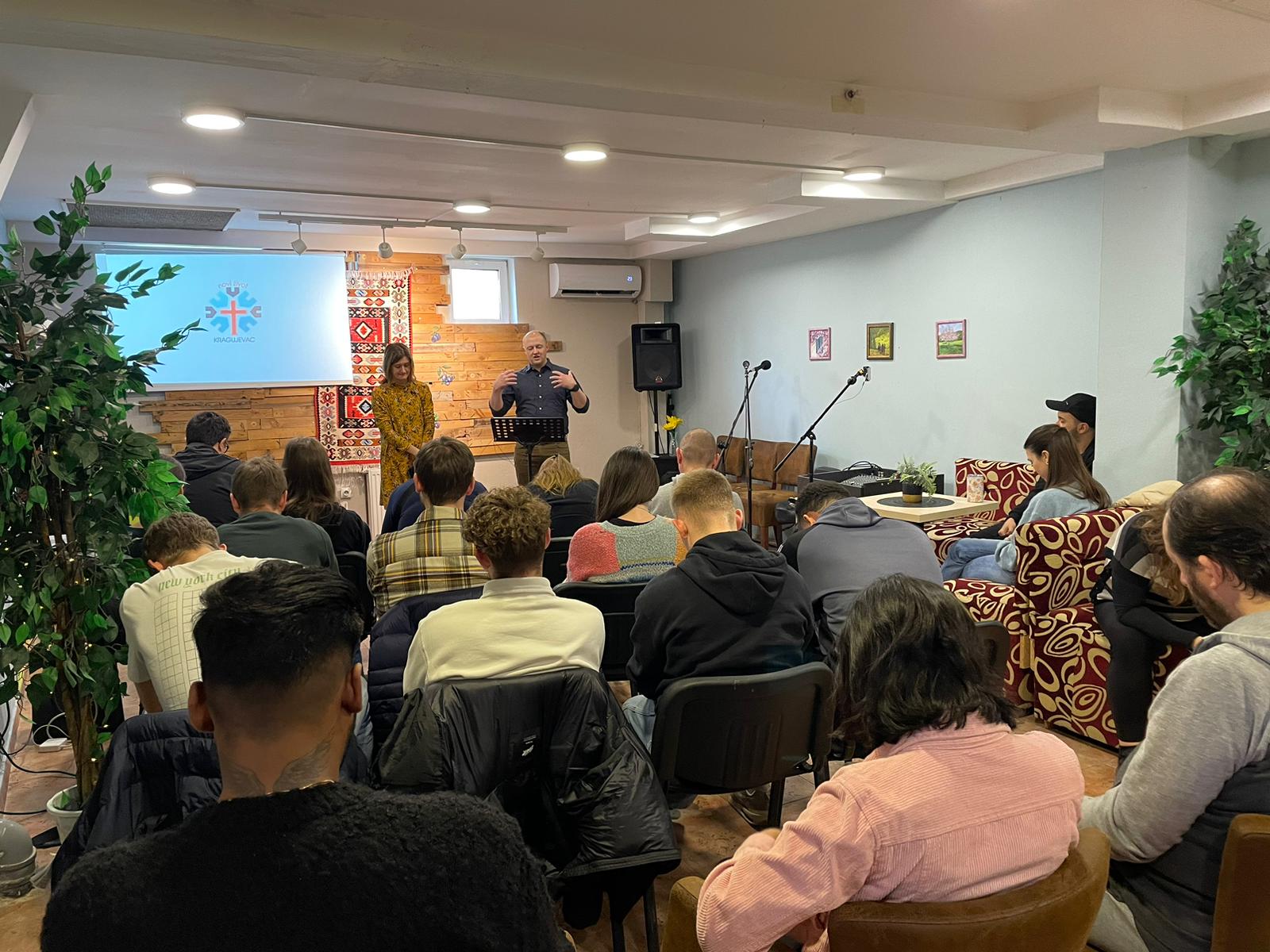
Here are some photos from different parts of the trip:
Pastors & Leaders Conference in Ternopil, Ukraine
Calvary Chapel Svitlovodsk: Church & Frontline Workers Conference
As Christians, we confess that there is one God who eternally exists in three distinct persons: Father, Son, and Holy Spirit.
The three persons of the Trinity are equal in power and glory, are co-eternal, and are of the same essence (Ousia in Greek).
The Father is God, the Son is God, the Spirit is God, but the Father is not the Son, the Son is not the Father, nor is the Spirit the Father or the Son.
The three persons of the Trinity also have unique functions, and relate to each other in unique ways. As a result, we can speak about the Trinity in two ways: the “Ontological Trinity” and the “Economic Trinity.”
OntologicalTrinity
“Ontological” has to doing with “being.” So, to speak of the Ontological Trinity is to explain who God is, and who the three persons of the Godhead are.
The major ecumenical councils of the church, such as Nicaea and Chalcedon, focused on the ontological nature of the persons of the Trinity, and affirmed that Jesus, the Son, is very God of very God, and that the Holy Spirit is not an impersonal force, but is, indeed, God.
So, to speak about the Trinity ontologically, is to affirm both the divine nature and the unique personhood of the three persons of the Trinity.
Economic Trinity
“Economic” has to do with action, roles, and function: what God (and each person of the Godhead) does.
So, when we take an economic view of the Trinity, we are talking about the things which the Father does, or which the Spirit does, which are unique to that person of the Godhead.
For example, it is the role and function of the Holy Spirit to perform the sealing and sanctifying functions of God in the life of a believer.
Jesus, the divine Son, uniquely took on human flesh, came to Earth, lived a sinless life, and died on a cross for our redemption.
The Father sent the Son, the Son submitted to the Father and obeyed the Father, the Father and the Son sent the Spirit. The Spirit glorifies and points to the Son. The Son glorifies the Father. The Father exalts the Son. The Son ever lives to make intercession for us. The Spirit indwells believers, reminding them of what the Son said, and bringing about conviction of sin, righteousness, and judgment.
Application
One important application of these principles, is the understanding that economic actions, such as submission, leadership, and difference of roles, does not diminish or take away from a person’s ontological identity, value, dignity, or identity.
This is communicated explicitly in Philippians 2, where we are told that Jesus, although he was equal with the Father, as God (ontologically), did not regard equality with [the Father] (economically) something to be grasped, but emptied himself, taking the form of a servant, being born in the likeness of men, and humbled himself in obedience, even to the point of death on a cross.
The point here is that Jesus’ economic activity did not detract from his ontological nature.
A point of application is made in the New Testament, in the complementary roles of men and women in the church. Though men are called to teach and exercise authority in the “household of God” (1 Timothy 3:15), this does not diminish or take away from the ontological equality of men and women as human beings, and as children of God, but is rather a matter of economic function. If this is true of the Trinity (and clearly it is), then it should not surprise us that it is true in the “household of God,” acted out by those who reflect His image to the world.
For more on this, check out this discussion of 1 Timothy 2:8-15, which I had with my wife, Rosemary, for our church’s weekly Sermon Extra video:
Join us on Christmas Eve and Christmas Day for church services at White Fields Community Church in Longmont, Colorado.
Christmas Eve – 4:00 & 5:30 PM
On Christmas, we celebrate that God became a child so that we could become children of God.
We will have a special Christmas choir, sing classic Christ-centered Christmas carols, and have a candle-lighting at the end of the service.
Childcare will be available at the 4:00 PM service, and both services will be family-friendly.
Join us and bring a friend or family member!
Christmas Day – 9:15 AM
We are excited to have a service on Christmas Day this year! Join us as we celebrate how in Jesus, God became one of us in order to redeem us from sin and death, and give us the light of life.
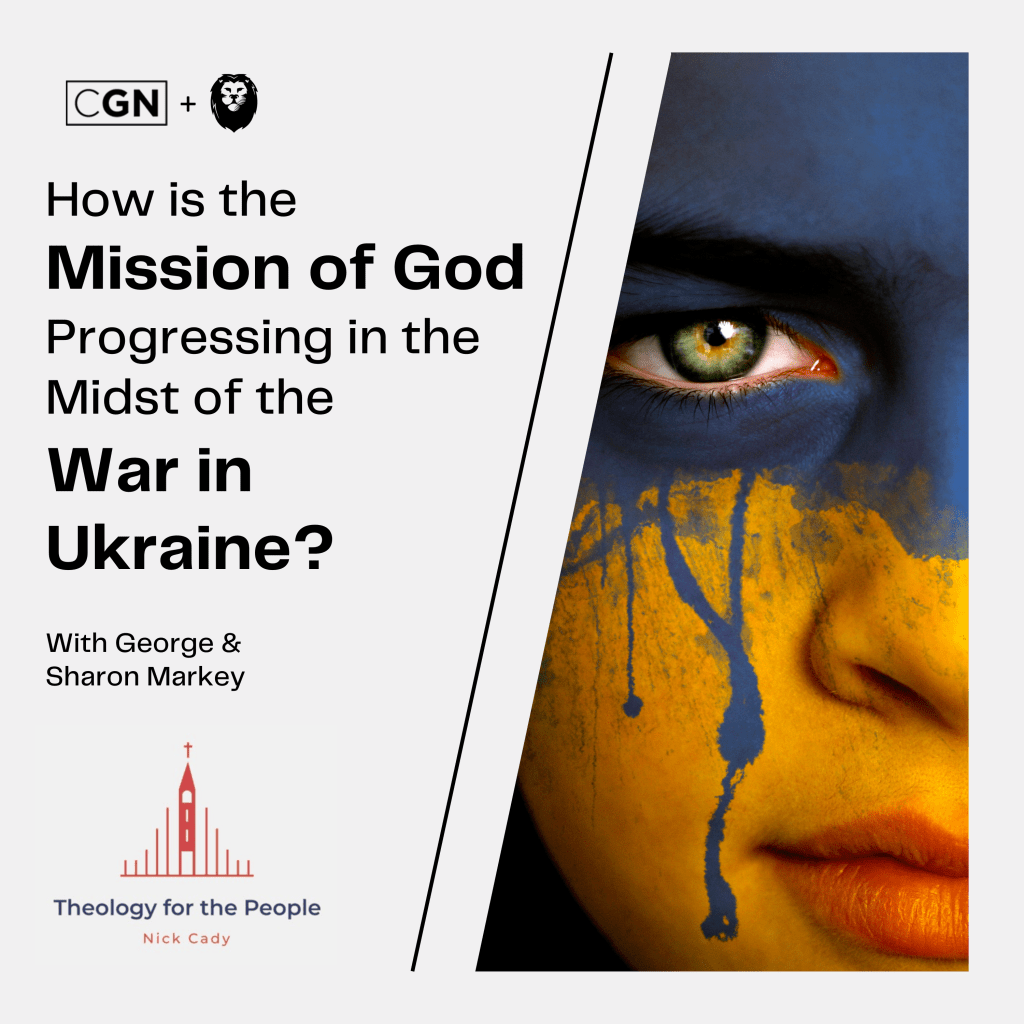
In this week’s episode of the Theology for the People podcast, Michael Payne and I speak with George and Sharon Markey, who are missionaries in Kyiv, Ukraine. George has been in Ukraine for 30 years now, and is able to give unique insight into what is happening there right now in the midst of the war.
In this discussion, recorded when George and Sharon visited us in Colorado in June of 2022, George tells the story of how his family moved to Ukraine in 1992, and Sharon tells her story of meeting George and joining him on the mission field.
They talk about their family’s experience in evacuating from Ukraine when the war began and how they are continuing to reach out with the love of Jesus to the Ukrainian people, and how the mission of God is progressing even in the midst of the current calamity.
Check out George and Sharon’s new website, mentioned in the episode: BridgeUA.org
If you find this episode interesting or helpful, please share it with others and leave a rating and review on your podcast app, as that helps other people discover this podcast and its content.
In this episode, Michael Payne and Nick Cady speak with George and Sharon Markey, missionaries in Ukraine. George tells the story of how his family moved to Ukraine in 1992, and Sharon tells her story of meeting George and joining him on the mission field. They talk about their family's experience in evacuating from Ukraine when the war began and how they are continuing to reach out with the love of Jesus to the Ukrainian people, and how the mission of God is progressing even in the midst of the current calamity.
Check out George and Sharon's new website, mentioned in the episode: BridgeUA.org
This episode was originally recorded for the White Fields Community Church YouTube channel. Please visit and subscribe to that, and you can visit the Theology for the People blog at nickcady.org
In this week’s episode of the Theology for the People podcast, I speak with Dominic Done. We talk about what the Bible means when it talks about the “soul,” and what God’s vision is for how your soul can flourish.
Dominic is a pastor and author based out of Colorado Springs, where he leads a ministry called Pursuing Faith.
Dominic has served as Professor of Applied Theology at George Fox University, lead pastor of Westside: A Jesus Church in Portland, Oregon. He has a Master’s Degree in Theology from the University of Oxford and is currently working on his PhD at the University of Oxford under Alister McGrath.
For more information about the Calvary Global Network (CGN) conference taking place in Costa Mesa, CA from June 26-29, at which Dominic will be speaking, visit conference.calvarychapel.com
If you find this episode interesting or helpful, please share it with others and leave a rating and review on your podcast app, as that helps other people discover this podcast and its content.
Dominic Done is a pastor and author based out of Colorado Springs, where he leads a ministry called Pursuing Faith.
Dominic has served as Professor of Applied Theology at George Fox University, lead pastor of Westside: A Jesus Church in Portland, Oregon. He has a Master’s Degree in Theology from the University of Oxford and is currently working on his PhD at the University of Oxford under Alister McGrath.
He has written two books. His first book, When Faith Fails: Finding God in the Shadow of Doubt, addresses the topics of doubt and deconstruction. His latest book, Your Longing Has a Name: Come Alive to the Story You Were Made For, was just released this year.
Dominic was recently a guest on Unbelievable? in which he debated with an atheist philosopher on the origin of virtues.
For more information about the Calvary Global Network (CGN) conference taking place in Costa Mesa, CA from June 26-29, at which Dominic will be speaking, visit conference.calvarychapel.com
Recently, a listener reached out to me asking if I had any resources on the topic of fasting. I remembered that, several years ago, I had picked up a book from a church book store titled, “A Hunger for God,” thinking that the title sounded like something I would be interested in – but when I got home I took a look at it and realized, much to my dismay, that it was a book about fasting! So, I left it on my bookshelf and never read it… until this week!
It isn’t that I was opposed to fasting. I have, and do, fast occasionally. It’s just that I assumed the book would be a downer, and would basically just tell me that I needed to fast more. Well, this week, in preparation for this episode, I read the whole book in one day, and actually loved it! Here’s a link to the book, if you’re interested in checking it out: A Hunger for God by John Piper
In this episode, Conor and I discuss what the Bible has to say about fasting; what is the purpose of fasting? How does it work? What is the relationship between fasting and prayer, and what is the “reward” of fasting mentioned by Jesus in Matthew 6:16?
We seek to answer these questions with consideration of how Christians throughout history have understood fasting, and finally, Conor gives some practical recommendations for people regarding the duration and regularity of fasting, as well as what to fast from.
And as a bonus, at the end of the episode, we give a recommendation for those looking for a church in Cork, Ireland.
If you find this episode interesting or helpful, please share it with others and leave a rating and review on your podcast app, as that helps other people discover this podcast and its content.
Conor Berry is the Lead Pastor of Calvary Chapel Santa Maria on the Central Coast of California.
In this episode we discuss what the Bible has to say about fasting. What is the purpose of fasting? How does it work? What is the relationship between fasting and prayer, and what is the "reward" of fasting mentioned by Jesus in Matthew 6:16?
We seek to answer these questions with consideration of how Christians throughout history have understood fasting, and by looking at a few modern resources as well.
Books referenced in this episode:
A Hunger for God by John Piper
Fasting by Scot McKnight (Ancient Practices Series)
If you find this episode interesting or helpful, please share it with others and leave a rating and review on your podcast app, as that helps other people discover this podcast and its content.
Make sure to visit the Theology for the People blog at nickcady.org
This week’s episode of the Theology for the People podcast is a special episode. This year I have been the host of the CGN Mission & Methods Podcast for Calvary Global Network. This episode originally aired on that podcast, which I recommend you check out if you’re looking for good discussions about Christian ministry in the world today or if you want to hear what God is doing in and through the Calvary network of churches.
In this episode I speak with my friend and colleague Kellen Criswell about an initiative we have been working on for the past year and a half, which is a program designed to cultivate church planting by creating a program to assess, train, deploy, and support new church planters and missionaries.
The program is called Cultivate, and alongside my primary ministry at White Fields Church, it has been a major area of focus for me since finishing my Masters. I’d love it if you’d listen to this episode and pray for this initiative!
If you find this episode interesting or helpful, please share it with others and leave a rating and review on your podcast app, as that helps other people discover this podcast and its content.
This episode was originally published on the Calvary Global Network (CGN) Mission and Methods Podcast.
Calvary Chapel has been recognized as one of the greatest church planting movements of recent times. In this episode, I speak with Kellen Criswell, Global Strategist for Calvary Global Network about a program I have been involved in developing called "Cultivate," which is a program designed to assess, train, and deploy new church planters and missionaries — using the local church as the garden in which those leaders are cultivated. We explain the design and heart behind the Cultivate program, as well as how to get more information and register.
If you find this episode interesting or helpful, please share it with others and leave a rating and review on your podcast app, as that helps other people discover this podcast and its content.
Make sure to visit the Theology for the People blog at nickcady.org
Several years ago, I remember talking with my pastor, Tom Stipe, and discussing something I had observed: Sin makes you weird, but walking with Jesus makes a person increasingly healthy and “normal.”
Who Defines What is “Weird”?
Some people might bristle at the terms “weird” and “normal,” wondering whose definition of “normal” we should use, but in this case I use it in the sense of the healthy standards for behavior and attitudes that are laid out in the Bible, and which have shaped global society in a pervasive way.
For more on that, see Tom Holland’s incredible book, Dominion: How the Christian Revolution Remade the World. Holland is not a “Christian author” per se; he is a historian who has spent most of his life studying history as relates to other topics, but he has admitted that his research for this book profoundly impacted his life and faith personally. I read it last year and would recommend it.
So, when I say “normal” in this sense, I am referring to virtues which are not only biblical, but which are affirmed by the majority of cultures worldwide. Things such as goodness, kindness, charity, graciousness, and the like – in contrast to abuse, usury, envy, pride, and so on.
Brain Scans
My conviction that “sin makes you weird” is not new to me, but it has been verified through the ever-increasing use of brain scans which show how certain behaviors affect brain activity.
One of the chief among these, and most reported on, is the use of illicit drugs, including marijuana, and pornography.
Do Other Sins Make You Weird? What’s the Solution?
I would venture to guess that other behaviors have similar affects on behavior, outlook, and the brain, such as lying, jealousy, and other attitudes and actions.
In it, importantly, we talk about the solution to the problem, which is: abiding in Christ, which Jesus defines as living in abiding relationship with him, by obeying his commandments (John 15:10).






 Theology for the People