Join me on Pastors Perspective every Wednesday this month

Pastor’s Perspective is a one-hour call-in program where listeners can get answers to questions about the Bible, Christianity, family, and life. The program airs on KWAVE in Southern California, Monday through Friday at 3:00pm Pacific (4:00pm Mountain Time), and can be heard and watched here:

The past two Wednesdays I was able to be in the studio in Southern California for the show, but for the rest of the month I will be joining remotely from Colorado.

Each week I’m joined by a professor from BIOLA University’s Talbot School of Theology. Last week I was with Dr. Ed Stetzer, and this week with Dr. Scott Rae.

This week’s episode was one I particularly enjoyed, as we had great questions regarding politics, Christian Nationalism, and the Kingdom of God. Watch that episode here:

Here’s the video of last week’s episode with Ed Stetzer:

Is Physical Fitness a Spiritual Discipline? – A Theology of Exercise: with David Mathis

In this episode of the Theology for the People Podcast, I speak with David Mathis, author of A Little Theology of Exercise: Enjoying Christ in Body and Soul, to explore the spiritual significance of physical health.

This conversation looks at the theology of the body, and how caring for our bodies can actually deepen our discipleship, improve our service to others, and shape how we glorify God with our entire being.

We also explore cultural trends around fitness, how to avoid idolatry of the body, and how anyone — regardless of age or ability — can engage in God-honoring movement.

Whether you’re a seasoned athlete or someone who avoids the gym at all costs, this episode is a helpful and grace-filled look at how physical exercise fits into the Christian life.

Follow Theology for the People on YouTube⁠https://www.youtube.com/@theologyforthepeople

Click here to listen to the episode, or listen in the embedded player below.

Is Physical Fitness a Spiritual Discipline? – A Theology of Exercise: with David Mathis Theology for the People

In this episode of Theology for the People, Nick Cady speaks with David Mathis, author of A Little Theology of Exercise: Enjoying Christ in Body and Soul, to explore the spiritual significance of physical health. This conversation looks at the theology of the body, and how caring for our bodies can actually deepen our discipleship, improve our service to others, and shape how we glorify God with our entire being.We also explore cultural trends around fitness, how to avoid idolatry of the body, and how anyone — regardless of age or ability — can engage in God-honoring movement. Whether you're a seasoned athlete or someone who avoids the gym at all costs, this episode is a helpful and grace-filled look at how physical exercise fits into the Christian life.Visit TheologyforthePeople.com for articles and more content and make sure to subscribe to the channel and share the episode with someone who would benefit from it!

I have recently started posting more on the Theology for the People YouTube channel. You can watch this interview on video here:
Theology of Disability: The Image of God & the Mission of the Church – with Sandra Peoples

In this episode of the Theology for the People Podcast, I speak with Sandra Peoples — a disability ministry consultant, author, and pastor’s wife — to discuss her new book: Accessible Church: A Gospel-Centered Vision for Including People with Disabilities and Their Families

Sandra shares from personal experience as both a sister and mother of individuals with disabilities, and she casts a compelling vision for churches to become accessible and inclusive to people of all ability levels.

They explore the theological foundations for understanding disability, the relational and spiritual impacts of accessibility, and practical ways churches of any size can serve individuals and families affected by disability.

Whether you’re a pastor, ministry leader, or church member, this conversation will challenge and equip you to take steps toward a more inclusive and grace-filled church culture.

👉 Learn more about Sandra’s work and resources at sandrapeoples.com

Follow Theology for the People on YouTube⁠https://www.youtube.com/@theologyforthepeople

Click here to listen to the episode, or listen in the embedded player below.

Theology of Disability: the Image of God & the Mission of the Church – with Sandra Peoples Theology for the People

In this episode, Nick Cady is joined by Sandra Peoples — a disability ministry consultant, author, and pastor's wife — to discuss her new book: Accessible Church: A Gospel-Centered Vision for Including People with Disabilities and Their FamiliesSandra shares from personal experience as both a sister and mother of individuals with disabilities, and she casts a compelling vision for churches to become accessible and inclusive to people of all ability levels.They explore the theological foundations for understanding disability, the relational and spiritual impacts of accessibility, and practical ways churches of any size can serve individuals and families affected by disability. Whether you're a pastor, ministry leader, or church member, this conversation will challenge and equip you to take steps toward a more inclusive and grace-filled church culture.👉 Learn more about Sandra’s work and resources at sandrapeoples.comFind articles and more content at TheologyforthePeople.com

I have recently started posting more on the Theology for the People YouTube channel. You can watch this interview on video here:

Scrolling Ourselves to Death: Discipleship in the Digital Age – with Brett McCracken

What does it mean to follow Jesus in an age of constant distraction and digital overload?

In this episode of the Theology for the People Podcast, I am joined by Brett McCracken — senior editor at The Gospel Coalition and editor of the new book Scrolling Ourselves to Death: Reclaiming Life in a Digital Age.

Drawing inspiration from Neil Postman’s classic Amusing Ourselves to Death, this conversation explores how modern technology is shaping our souls, eroding our attention, and forming a plausibility structure that makes it harder to believe in transcendent truth.

Brett and I discuss:

  • How social media is forming us spiritually
  • The dangers of disembodied discipleship
  • Why embodied church gatherings still matter
  • How the internet fosters epistemological chaos
  • Practical ways churches and families can reclaim real life in the digital age

I hope this episode will challenge and encourage you to think more deeply about how you engage with technology.

Follow Theology for the People on YouTube: ⁠https://www.youtube.com/@theologyforthepeople

Click here to listen to the episode, or listen in the embedded player below.

Scrolling Ourselves to Death: Discipleship in the Digital Age – with Brett McCracken Theology for the People

What does it mean to follow Jesus in an age of constant distraction and digital overload?In this episode of Theology for the People, Nick Cady is joined by Brett McCracken — senior editor at The Gospel Coalition and editor of the new book Scrolling Ourselves to Death. Drawing inspiration from Neil Postman’s classic Amusing Ourselves to Death, this conversation explores how modern technology is shaping our souls, eroding our attention, and forming a plausibility structure that makes it harder to believe in transcendent truth.They discuss:How social media is forming us spirituallyThe dangers of disembodied discipleshipWhy embodied church gatherings still matterHow the internet fosters epistemological chaosPractical ways churches and families can reclaim real life in the digital ageWhether you’re a pastor, parent, or just a thoughtful Christian navigating life with a smartphone, this episode will challenge and encourage you to think more deeply about how you engage with technology.📘 Get the book Scrolling Ourselves to DeathVisit TheologyForThePeople.com

I have recently started posting more on the Theology for the People YouTube channel. You can watch this interview on video here:
How God’s Grace Meets Us at Rock Bottom: Ray Ortlund on Isaiah 57:15

In this episode of the Theology for the People Podcast, I am joined by pastor and author Ray Ortlund Jr. to talk about how God’s grace meets us in our lowest moments.

Ray  is the president of Renewal Ministries, and the pastor to pastors at Immanuel Church in Nashville. He is an Old Testament scholar, has taught as a professor, and was a contributor to the ESV Study Bible.

Expositing Isaiah 57:15 and drawing from his own personal experiences of betrayal, regret, loneliness, and loss, Ray explains how the gospel offers real hope for crushed and broken people.

Topics include:
• How to heal from betrayal
• What to do when you’re trapped by your own sin
• Why loneliness is a spiritual crisis
• How the doctrine of justification by faith brings healing
• What it means to die well — and live in light of resurrection

This conversation is filled with biblical encouragement for anyone struggling or walking alongside those who are.

Find Ray’s book here: Good News at Rock Bottom: Finding God When the Pain Goes Deep and Hope Seems Lost

Follow Theology for the People on YouTube: ⁠https://www.youtube.com/@theologyforthepeople

Click here to listen to the episode, or listen in the embedded player below.

How God's Grace Meets Us at Rock Bottom: Ray Ortlund on Isaiah 57:15 Theology for the People

In this episode, Nick Cady is joined by pastor and author Ray Ortlund Jr. to talk about how God's grace meets us in our lowest moments.Ray  is the president of Renewal Ministries, and the pastor to pastors at Immanuel Church in Nashville. He is an Old Testament scholar, has taught as a professor, and was a contributor to the ESV Study Bible.Drawing from Isaiah 57:15 and Ray’s personal experiences of betrayal, regret, loneliness, and loss, they explore how the gospel offers real hope for crushed and broken people.Topics include:How to heal from betrayalWhat to do when you’re trapped by your own sinWhy loneliness is a spiritual crisisHow the doctrine of justification by faith brings healingWhat it means to die well — and live in light of resurrectionThis conversation is filled with biblical encouragement for anyone struggling or walking alongside those who are.Find Ray's book here: Good News at Rock Bottom: Finding God When the Pain Goes Deep and Hope Seems LostCheck out the Theology for the People website at theologyforthepeople.com

I have also started posting more on the Theology for the People YouTube channel. You can watch this interview on video here:
Unlocking Scripture: Six Keys for Faithful Bible Interpretation – with Jon Nielson

Everyone who reads the Bible engages in interpretation whether they realize it or not – so how do we do it faithfully and well?

In this episode, Pastor Jon Nielsen of Christ Presbyterian Church in Wheaton, Illinois joins to discuss his latest book, Understanding God’s Word, the third installment in his Theology Basics series. 

John shares his background in ministry, from campus work at Princeton to serving in Wheaton, and unpacks the essentials of biblical hermeneutics. 

He introduces six key tools—Context, Construction, Christ, Clarity, Courtroom, and Crux—for interpreting and applying Scripture faithfully. We also explore common mistakes in Bible study, the doctrine of the clarity of Scripture, and how believers can approach God’s Word with confidence.

Follow Theology for the People on YouTube: ⁠https://www.youtube.com/@theologyforthepeople

Click here to listen to the episode, or listen in the embedded player below.

Unlocking Scripture: Six Keys for Faithful Bible Interpretation – with Jon Nielson Theology for the People

Everyone who reads the Bible engages in interpretation whether they realize it or not – so how do we do it faithfully and well?In this episode, Pastor Jon Nielsen of Christ Presbyterian Church in Wheaton, IL joins to discuss his latest book, Understanding God's Word, the third installment in his Theology Basics series. John shares his background in ministry, from campus work at Princeton to serving in Wheaton, and unpacks the essentials of biblical hermeneutics. He introduces six key tools—Context, Construction, Christ, Clarity, Courtroom, and Crux—for interpreting and applying Scripture faithfully. We also explore common mistakes in Bible study, the doctrine of the clarity of Scripture, and how believers can approach God’s Word with confidence.Follow Theology for the People on YouTube: https://www.youtube.com/@theologyforthepeople

I have also started posting more on the Theology for the People YouTube channel. You can watch this interview on video here:
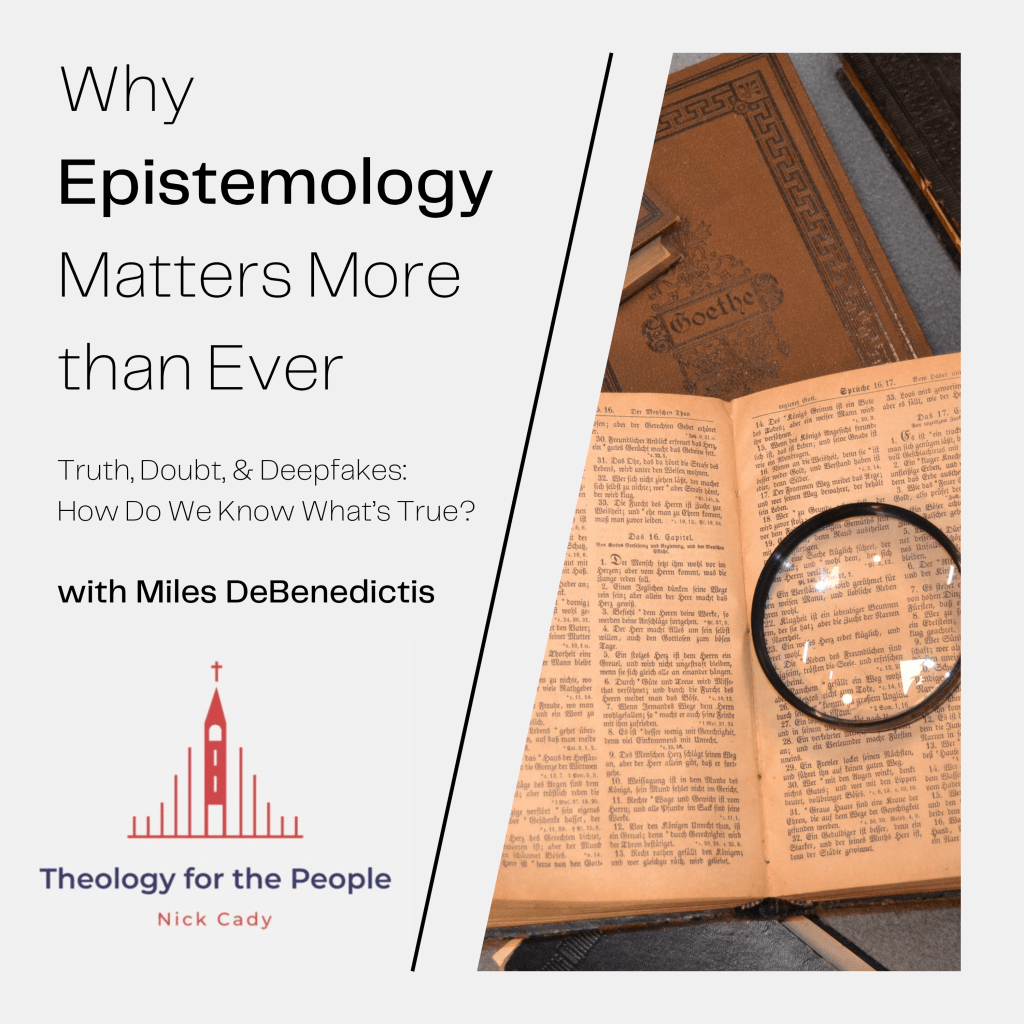
Why Epistemology Matters More than Ever – with Miles DeBenedictis

In this episode of the Theology for the People Podcast, I am joined by Pastor Miles DiBenedictus of ⁠Cross Connection Church⁠ in Escondido, California.

Miles is a PhD student at Southern Seminary studying AI ethics, and in this discussion, they explore the topic of epistemology: what it is, why it matters, and how it affects everything from how we read the Bible to how we navigate truth in a world of misinformation and digital confusion. 

Whether you’re new to the term or already intrigued by philosophy, this conversation will help you think more clearly about how we know what we know—and why that matters for following Jesus today.

Click here to listen to the episode, or listen in the embedded player below.

Why Epistemology Matters More Than Ever – with Miles DeBenedictis Theology for the People

In this episode, Pastor Nick Cady interviews Pastor Miles DiBenedictus of Cross Connection Church in Escondido, California.Miles is a PhD student at Southern Seminary studying AI ethics, and in this discussion, they explore the topic of epistemology: what it is, why it matters, and how it affects everything from how we read the Bible to how we navigate truth in a world of misinformation and digital confusion. Whether you're new to the term or already intrigued by philosophy, this conversation will help you think more clearly about how we know what we know—and why that matters for following Jesus today.Follow Miles on YouTube: https://www.youtube.com/@pastormilesVisit Miles' website: https://pastormiles.com/

I have also started posting more on the Theology for the People YouTube channel. You can watch this interview on video here:
After Chalcedon: The Role of Early Church Councils for Evangelicals Today – with Matt Pursely

What is the enduring legacy of the early church councils, and what role should they play in the lives of Bible-believing Christians today?

In this episode of the Theology for the People Podcast, I am joined once again by Matt Pursely, Executive Pastor at Park Hill Church in San Diego, California and graduate of Westminster Theological Seminary with a focus on Historical Theology, to discuss what happened after the Council of Chalcedon (451 AD), and why it matters for believers today.

We also discuss the views of William Lane Craig, who holds to a Neo-Apolinarian Christology which many see as being in conflict with Chalcedon. We explain his view, and how other early councils, such as Constantinople III, speak to it.

We also explain the importance of the debate over monothylitism and dyathelitism and the question of impeccability vs. peccability and whether Jesus was truly tempted internally or if his temptations were merely external.

Click here to listen to the episode, or listen in the embedded player below.

After Chalcedon: The Role of the Early Church Councils for Evangelicals Today – with Matt Pursely Theology for the People

What is the enduring legacy of the early church councils, and what role should they play in the lives of Bible-believing Christians today?In this episode, host Nick Cady is joined again by Matt Pursely, Executive Pastor at Park Hill Church in San Diego, California and graduate of Westminster Theological Seminary with a focus on Historical Theology, to discuss what happened after Chalcedon, and why it matters for believers today.We also discuss the views of William Lane Craig, who holds to a Neo-Apolinarian Christology which some see as being in conflict with Chalcedon. We explain what this view is, and how other early councils, such as Constantinople III speak to it. We also explain the importance of the debate over monothylitism and dyathelitism and the question of impeccability vs. peccability and whether Jesus was truly tempted internally or if his temptations were merely external. Subscribe to the Theology for the People YouTube Channel here.Visit the Theology for the People website here.

I have also started posting more on the Theology for the People YouTube channel. You can watch this interview on video here:
A New Way to Listen to the Theology for the People Podcast: Now on YouTube

YouTube recently introduced a Podcast feature, and so I went ahead and created a Theology for the People YouTube Channel.

With YouTube now hosting podcasts, I might be motivated to post more video podcasts in the future.

Subscribe to Theology for the People on YouTube here, or for those of you on a desktop browser, you can listen to the embedded playlist below:

How Did We Get the Bible? Exploring the Formation of the Biblical Canon – with Shane Angland

In this episode of the Theology for the People Podcast, I speak with Shane Angland about the question of how we got the Bible in its current form.

Shane has been a recurring guest on the podcast, and he has a keen mind and knowledge of historical theology. Shane lives in Ennis, Ireland where he serves at Ennis Evangelical Church. He holds a Masters of Divinity from Dallas Theological Seminary, and has served as a missionary in Ukraine.

From the formation of the Old and New Testaments to the question of the Apocrypha, to the impact of the Council of Trent, this conversation offers clarity on why the Bible is trusted as God’s inspired Word.

Key Topics Discussed

  • What is the Canon?
    • Definition: The canon is the list of inspired, authoritative Scriptures distinguished from other valuable writings.
    • Theological foundation: Scripture is “breathed forth” by God, carrying unique authority for the church (2 Timothy 3:16).
  • Old Testament Canon Formation
    • Begins with God’s redemptive acts, particularly after the Exodus and Sinai covenant (Exodus 24, Deuteronomy 31).
    • Jewish recognition of inspired texts from Moses to Malachi, with a prophetic silence post-Persian era.
    • Josephus and first-century Jewish consensus on 22 books (equivalent to the 39 books in modern Old Testaments).
    • No explicit criteria articulated, but guided by the Holy Spirit and covenantal context.
  • The Apocrypha and Deuterocanonical Books
    • Includes books like Tobit, Judith, Wisdom, Sirach, 1 & 2 Maccabees, Baruch, and additions to Esther and Daniel.
    • Historical debate: Some early Christians (e.g., Augustine) accepted these books, while others (e.g., Jerome) did not, aligning with Jewish tradition.
    • Council of Trent (1546): Roman Catholic Church dogmatically defined these books as canonical, partly in response to Reformation emphasis on scriptural authority (e.g., for doctrines like purgatory).
    • Eastern Orthodox churches maintain an open canon, avoiding infallible rulings.
  • New Testament Canon Formation
    • Tied to the new covenant and apostolic authority, with writings by or connected to apostles (e.g., Mark linked to Peter, Luke to Paul).
    • Criteria: Apostolic origin, Christ-centered message, and widespread church use in worship.
    • Early recognition: By the late first century, apostolic writings were distinguished (e.g., Clement’s letters vs. Paul’s epistles).
    • By the second century, 22–23 of the 27 books were widely accepted, with minor debates on smaller texts (e.g., 2 Peter, 3 John).
  • Misconceptions Addressed
    • Myth: The Council of Nicaea (325 CE) decided the canon. Reality: Nicaea focused on church governance, not canon selection.
    • Myth: Early Christians chose from hundreds of gospels. Reality: The four canonical gospels were the earliest, apostolic, and widely used.
    • Gnostic “gospels” (e.g., Gospel of Judas) lack historical or apostolic credibility and were not serious contenders.
  • Why the Delay in Formal Canon Lists of the New Testament?
    • The early church was decentralized, persecuted, and lacked centralized authority to compile lists.
    • Canonical texts were illegal, and possession could lead to martyrdom (e.g., 180 CE Carthage trial).
    • Earliest clear list: Athanasius’ Easter Letter (367 CE), reflecting existing church consensus.
  • Confidence in Scripture
    • The Bible’s unity across 66 books, three languages, and 1,500 years testifies to its divine inspiration.
    • The early church’s careful discernment reflects wisdom, not uncertainty.
    • Romans 3:2 affirms the Jewish role in preserving the Old Testament oracles, reinforcing trust in the canon’s reliability.

Resources Mentioned

  • Michael Kruger’s work on the canon (e.g., Canon Revisited).
  • Josephus’ Against Apion for first-century Jewish canon insights.
  • Augustine’s On Christian Doctrine.

Quotable Moments

  • “The canon begins with God’s work of redemption, not human decisions.” – Shane
  • “The church doesn’t establish the canon; it recognizes it through the Holy Spirit.” – Shane
  • “The Bible’s coherent message across 1,500 years is a miracle of God’s inspiration.” – Shane

Click here to listen to the episode, or listen in the embedded player below.

How Did We Get the Bible? Exploring the Formation of the Biblical Canon – with Shane Angland Th.M Theology for the People

In this episode, Nick Cady and Shane Angland tackle the critical question: How did the Bible come to be? They explore the formation of the biblical canon, addressing misconceptions, historical processes, and the theological significance of Scripture. From the Old Testament’s roots in God’s redemptive work to the New Testament’s apostolic authority, this conversation offers clarity on why the Bible is trusted as God’s inspired Word. They also discuss the Apocrypha, the Council of Trent’s impact, and how early Jewish and Christian communities recognized canonical texts.Connect with Theology for the PeopleWebsite: theologyforthepeople.comFollow on X: @nickcady