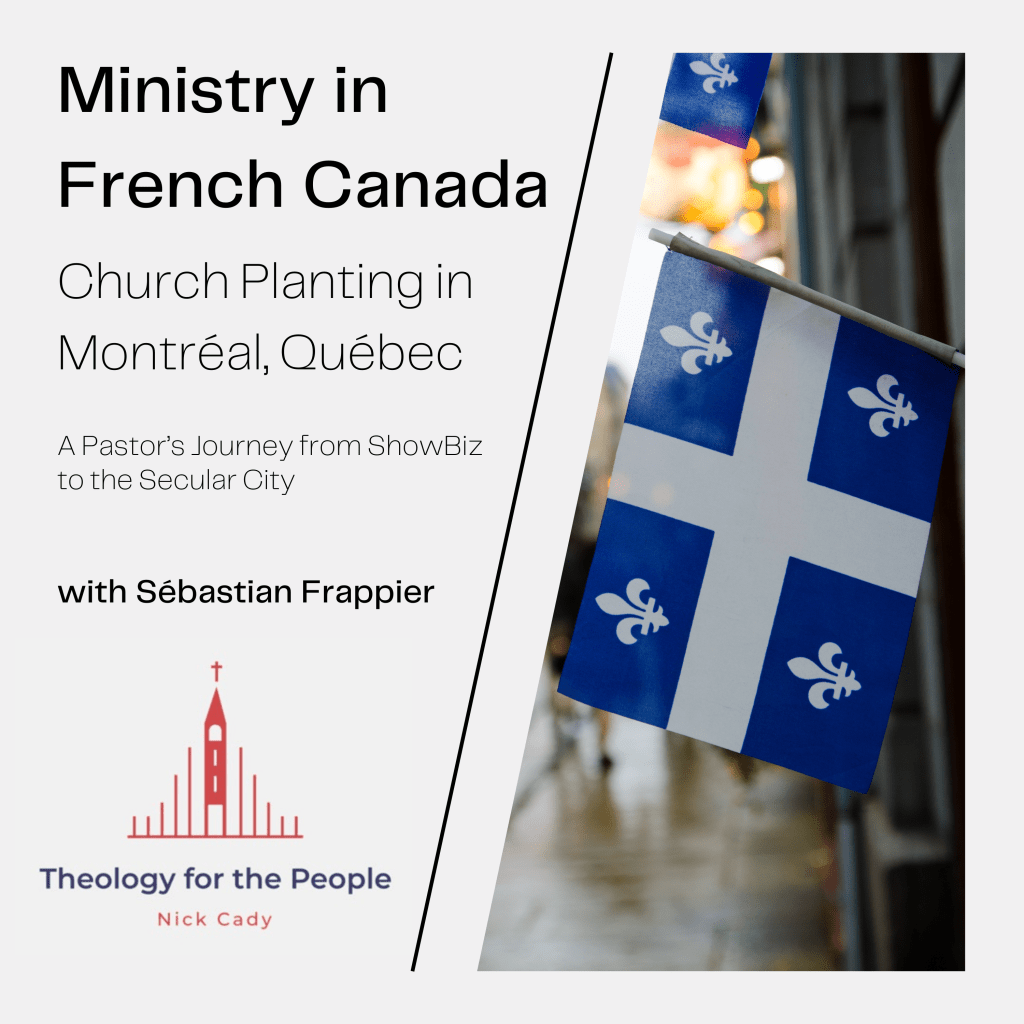
Ministry in French Canada: A Pastor’s Journey from ShowBiz to the Secular City – with Sébastien Frappier

In this episode of the Theology for the People Podcast, I speak with Sébastien Frappier his incredible journey from a professional acting career to planting a church in the highly secular city of Montreal, Quebec.

Sebastian shares how a moment of spiritual emptiness led him to encounter Jesus through a Gideon Bible on Guadalupe Mountain in Texas. He reflects on his 12-year journey of preparation, the unique challenges of ministry in a post-Christian culture, and how his acting background informs his preaching and evangelism.

The conversation also covers the unique cultural and spiritual aspects of Quebec, effective evangelism strategies in Montreal, and the importance of discipleship in a context where biblical knowledge is minimal.

Sebastian offers practical advice for church planters in secular urban settings and shares how listeners can support Calvary Montreal’s mission.

Key Topics:

Sebastian’s Journey to Faith: From a successful acting career in Montreal to a transformative encounter with Jesus while reading the Sermon on the Mount in Texas.

Ministry in Montreal: The challenges of pastoring in a highly secular, post-Christian city with less than 0.3% evangelical Christians.

Acting and Preaching: How Sebastian’s training in method acting and the Meisner technique shapes his passionate, authentic approach to teaching the Bible.

Cultural Context of Quebec: The impact of the Quiet Revolution, the decline of Catholicism, and the rise of humanism in Quebec’s spiritual landscape.

Evangelism Strategies: The effectiveness of street and subway evangelism in Montreal, emphasizing authenticity and genuine relationships over large-scale events.

Discipleship in a Secular Context: Focusing on basic biblical teachings and one-on-one discipleship due to limited biblical literacy among new believers.

Challenges and Encouragement: Sebastian’s experience with a recent church split, the financial struggles of ministry in Quebec, and the joy of seeing individual souls saved.

Call to Action: How listeners can pray for, support, or participate in short-term mission trips to support Calvary Montreal.

Calvary Montreal Website: calvarymontreal.com – Find information on the church, how to get involved, and support their mission.

Click here to listen to the episode, or listen in the embedded player below.

Ministry in French Canada: Church Planting in Montreal, Quebec – with Sebastien Frappier Theology for the People

In this episode, Nick Cady in joined by Sebastian Frappier, to discuss his incredible journey from a professional acting career to planting a church in the highly secular city of Montreal, Quebec. Sebastian shares how a moment of spiritual emptiness led him to encounter Jesus through a Gideon Bible on Guadalupe Mountain in Texas. He reflects on his 12-year journey of preparation, the unique challenges of ministry in a post-Christian culture, and how his acting background informs his preaching and evangelism. The conversation also covers the unique cultural and spiritual aspects of Quebec, effective evangelism strategies in Montreal, and the importance of discipleship in a context where biblical knowledge is minimal. Sebastian offers practical advice for church planters in secular urban settings and shares how listeners can support Calvary Montreal’s mission.Sebastian’s Journey to Faith: From a successful acting career in Montreal to a transformative encounter with Jesus while reading the Sermon on the Mount in Texas.Ministry in Montreal: The challenges of pastoring in a highly secular, post-Christian city with less than 0.3% evangelical Christians.Acting and Preaching: How Sebastian’s training in method acting and the Meisner technique shapes his passionate, authentic approach to teaching the Bible.Cultural Context of Quebec: The impact of the Quiet Revolution, the decline of Catholicism, and the rise of humanism in Quebec’s spiritual landscape.Evangelism Strategies: The effectiveness of street and subway evangelism in Montreal, emphasizing authenticity and genuine relationships over large-scale events.Discipleship in a Secular Context: Focusing on basic biblical teachings and one-on-one discipleship due to limited biblical literacy among new believers.Challenges and Encouragement: Sebastian’s experience with a recent church split, the financial struggles of ministry in Quebec, and the joy of seeing individual souls saved.Call to Action: How listeners can pray for, support, or participate in short-term mission trips to support Calvary Montreal.Calvary Montreal Website: calvarymontreal.com – Find information on the church, how to get involved, and support their mission.Subscribe to Theology for the People for more inspiring conversations about faith and ministry.Share this episode with friends or your church community to raise awareness about the mission in Montreal.Visit the Theology for the People website at theologyforthepeople.com

Remembering Pastor Chuck Smith

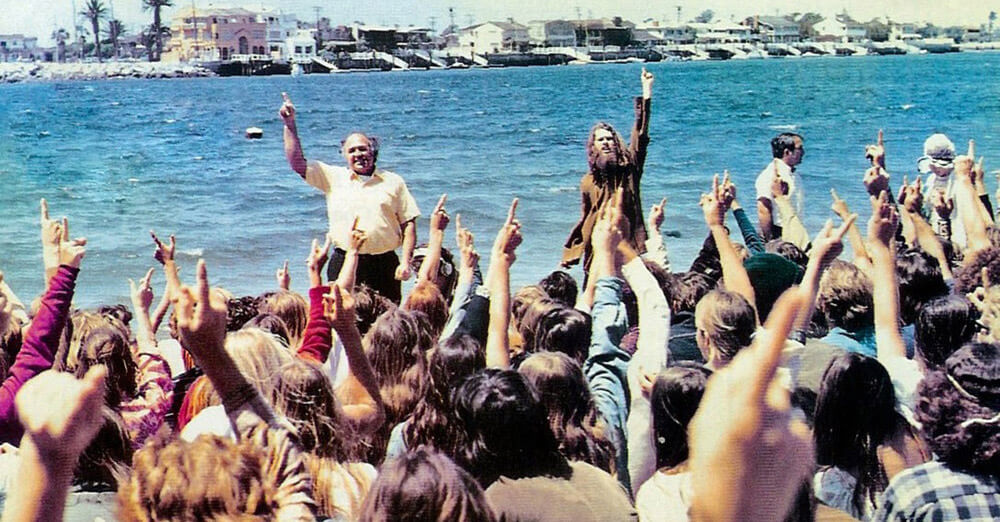
October 3, 2023 marks 10 years since the passing and heavenly homecoming of Pastor Chuck Smith. Pastor Chuck was the man God used to start the Calvary Chapel Movement of churches. 

For this anniversary, I wrote an article for CalvaryChapel.com about how Pastor Chuck impacted my life, and the lives of many other young people – including my pastor, Tom Stipe.

Additionally, I recorded a bonus episode of the Mission & Methods Podcast, in which I spoke with Pastor Brian Brodersen about Chuck’s approach to ministry, including some questions about how Chuck pastored personally, and what were the major influences that shaped Chuck’s theology, and his preaching.

Pastor Brian is uniquely qualified to speak to these questions, as he not only served alongside Pastor Chuck and eventually succeeded him as the Senior Pastor of Calvary Chapel of Costa Mesa — but he also shares close family ties to Pastor Chuck, as his son in law.

Here is the article, and the podcast episode can be listened to here or in the embedded player below.

How God Used Chuck Smith To Empower A New Generation Of Pastors

When I was 18 years old, I boarded a plane bound for Hungary. Despite the fact that I had only been following Jesus for two years, my pastor, the late Tom Stipe, sent me out as a missionary. Three years later, when I was 21, Tom ordained me as I was going out to plant a church.

At the time, these actions didn’t strike me as abnormal or unusual, yet now, years later, I look back on them with a sense of surprise. Why was Tom willing to take a chance on me, as young as I was? Why did he trust that I could serve the Lord in those ways without any formal training?

Later on, I came to realize that the reason was because that is what Chuck Smith had done for him when Tom was a young man: In 1976, Pastor Chuck sent Tom to Colorado to start a Calvary Chapel church here. In the movie, “Jesus Revolution,” millions of people saw the portrayal of how Chuck Smith empowered the young Greg Laurie to plant a church in Riverside, California. Still, the even more incredible reality is that Pastor Chuck did similar things with many young people over the years. Tom was doing for me what Chuck had modeled for him.

I remember sitting with Tom and listening to him tell stories of the early days of Calvary Chapel. One thing that Tom told me was that, in his opinion, the true genius of Chuck Smith was not his verse-by-verse teaching, as many people assume, and as masterful as that was. The true genius of Chuck Smith, Tom said, was that Chuck was willing, and even eager, to empower young people to serve the Lord in meaningful ways because he genuinely believed in the work of the Holy Spirit in and through people who were willing to make themselves available to God.

I finally got to meet Pastor Chuck in Austria, at the conference center that he had acquired for Calvary Chapel as a launching point for ministry in Eastern Europe. He asked about our ministry in Hungary and gave encouragement and affirmation. As I look back on that, I’m full of appreciation for him as a person who was more than just a good Bible teacher but an example of foresight and faith. Not only did Pastor Chuck want the Gospel to go forth into the whole world, but he understood that God wanted to use many other people to do that work. He was willing to support missionaries and church planters, including some of us who maybe wouldn’t have been empowered to do those things by anyone else who didn’t have the measure of faith he did!

Now, ten years after Pastor Chuck’s heavenly homecoming, I’m more inspired than ever to carry on his legacy of Bible teaching, evangelism, missions, and empowering people, especially young people, to serve the Lord.

Q&A On Chuck Smith’s Approach To Ministry – With Nick Cady And Brian Brodersen

A Biblical Approach to Church Planting – with Nathan Knight

Nathan Knight is the Lead Pastor of Restoration Church in Washington DC — a church that he planted 14 years ago.

He now leads a church planting network in the DC area called Treasuring Christ Together, and he recently wrote a book (published by Crossway and 9Marks) about church planting called: Planting by Pastoring: A Vision for Starting a Healthy Church

In our discussion, Nathan and I talk about the premise of his book, which seeks to encourage the planting of new churches, while getting back to the biblical definitions of what a church is, what a church does, and how to define “success” in a local church.

Click here to listen to the episode or listen in the embedded player below.

A Biblical Approach to Church Planting – with Nathan Knight Theology for the People

Nathan Knight is the Lead Pastor of Restoration Church in Washington DC — which is a church that he planted 14 years ago. He now leads a church planting network in the DC area called Treasuring Christ Together, and he recently wrote a book (published by Crossway and 9Marks) about church planting called: Planting by Pastoring: A Vision for Starting a Healthy Church.  In our discussion, Nathan and I talk about the premise of his book — which seeks to encourage the planting of new churches, while getting back to the biblical definitions of what a church is, what a church does, and how to define “success” in a local church. Make sure to visit the Theology for the People website at nickcady.org

Cultivate: Church Planter Training Program

This week’s episode of the Theology for the People podcast is a special episode. This year I have been the host of the CGN Mission & Methods Podcast for Calvary Global Network. This episode originally aired on that podcast, which I recommend you check out if you’re looking for good discussions about Christian ministry in the world today or if you want to hear what God is doing in and through the Calvary network of churches.

In this episode I speak with my friend and colleague Kellen Criswell about an initiative we have been working on for the past year and a half, which is a program designed to cultivate church planting by creating a program to assess, train, deploy, and support new church planters and missionaries.

The program is called Cultivate, and alongside my primary ministry at White Fields Church, it has been a major area of focus for me since finishing my Masters. I’d love it if you’d listen to this episode and pray for this initiative!

If you find this episode interesting or helpful, please share it with others and leave a rating and review on your podcast app, as that helps other people discover this podcast and its content.

Click here to listen to the episode, or listen in the embedded player below.

Cultivate: Church Planter Training Program – with Kellen Criswell Theology for the People

This episode was originally published on the Calvary Global Network (CGN) Mission and Methods Podcast.  Calvary Chapel has been recognized as one of the greatest church planting movements of recent times. In this episode, I speak with Kellen Criswell, Global Strategist for Calvary Global Network about a program I have been involved in developing called "Cultivate," which is a program designed to assess, train, and deploy new church planters and missionaries — using the local church as the garden in which those leaders are cultivated. We explain the design and heart behind the Cultivate program, as well as how to get more information and register. If you find this episode interesting or helpful, please share it with others and leave a rating and review on your podcast app, as that helps other people discover this podcast and its content. Make sure to visit the Theology for the People blog at nickcady.org

10 Years… Part 1

This March, my trip to Hungary to visit, encourage, and support our friends and co-laborers in the gospel from Ukraine coincided with the 10 year anniversary of me leaving Hungary to move to Colorado.

For more on what we did on that trip, see: Ukraine Relief Update: What We Did in Hungary & Ukraine

On Women’s Day, March 8, 2012, we left the beautiful city of Eger, where all of our kids (up until that point) had been born, and boarded a flight bound for Germany, on route to San Diego.

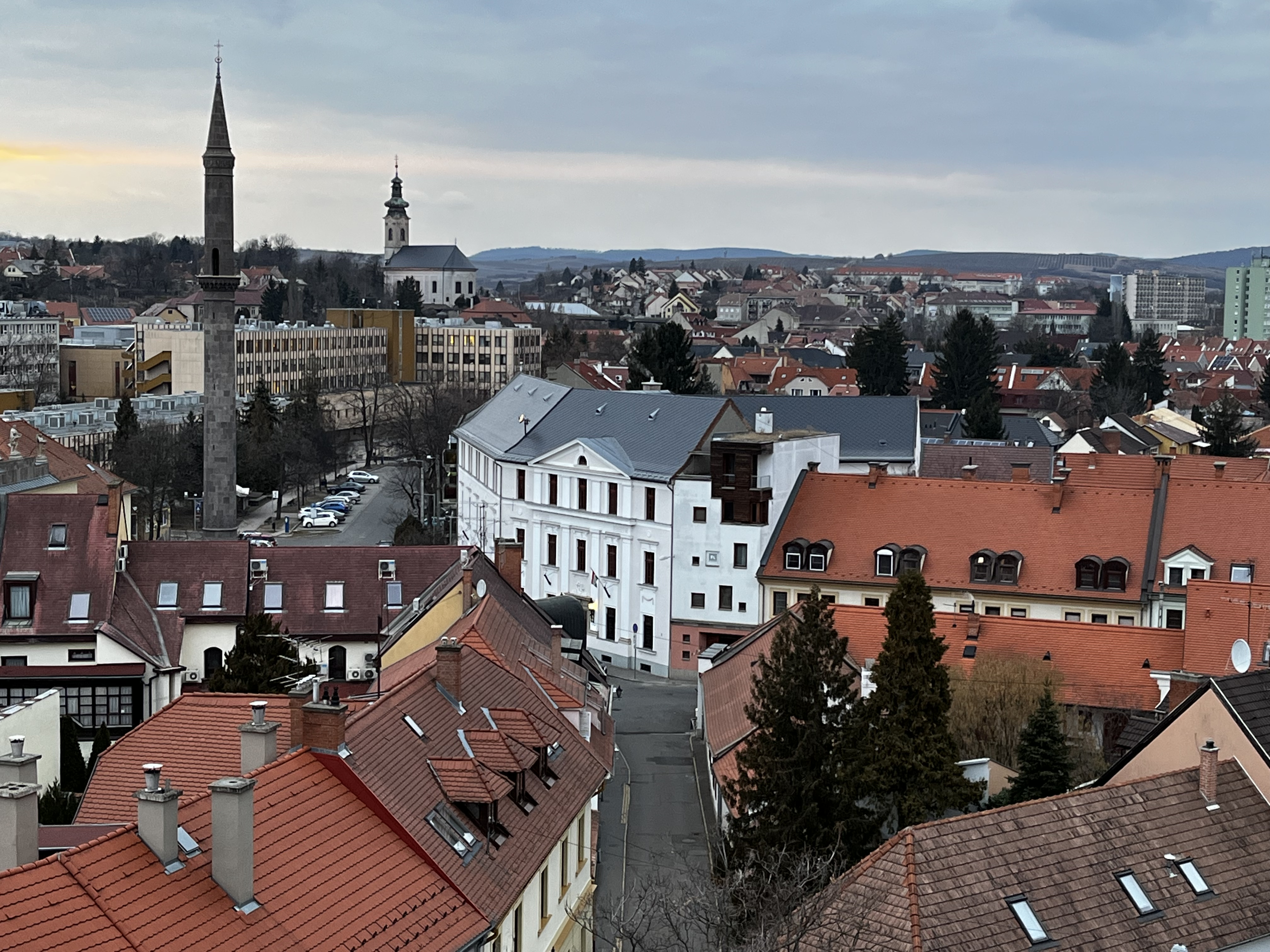
Eger, looking north from the city center. The minaret is the northern-most Turkish minaret in Europe, and the long yellow building behind it is where my kids were born. The church on the hill is a Serbian Orthodox Church; we started the Eger church in the neighborhood next to it.

We left part of our hearts there. People often ask me if I miss living in Hungary, and the answer is: Yes, I miss it so bad it hurts, every day. This isn’t to say that I’m not content where I am, or that I am planning to move back – it’s just the truth. I spent my entire adult life in Hungary up until we left. When we moved to Colorado, I had never been an adult in America before, and there was a learning curve, for sure.

Not only did we leave behind our beloved city, more significantly, we left behind a ministry we loved: one we started and nurtured.

We moved to Eger in 2005 with a vision to start a church which would be self-sustaining, that would be focused on evangelism and discipling those who became Christians through our outreaches, and we hoped that someday that church would have a Hungarian pastor, preferably someone who had been raised up through our ministry. Additionally, we hoped to start a “daughter church” out of that church, and to take the people of that church on mission trips themselves.

By God’s grace, all of these dreams came to fruition.

In January 2012, I handed over leadership of the Eger church to Jani, and he celebrated his 10 year anniversary as pastor earlier this year.

I had the opportunity to preach at the church when I was there this year, exactly 10 years to the week of my departure. I preached in Hungarian, which I miss doing.

The church recently moved into a new location, about 2 blocks from where they used to meet, and still in the heart of the city center, right on the main walking street, with a balcony overlooking it.

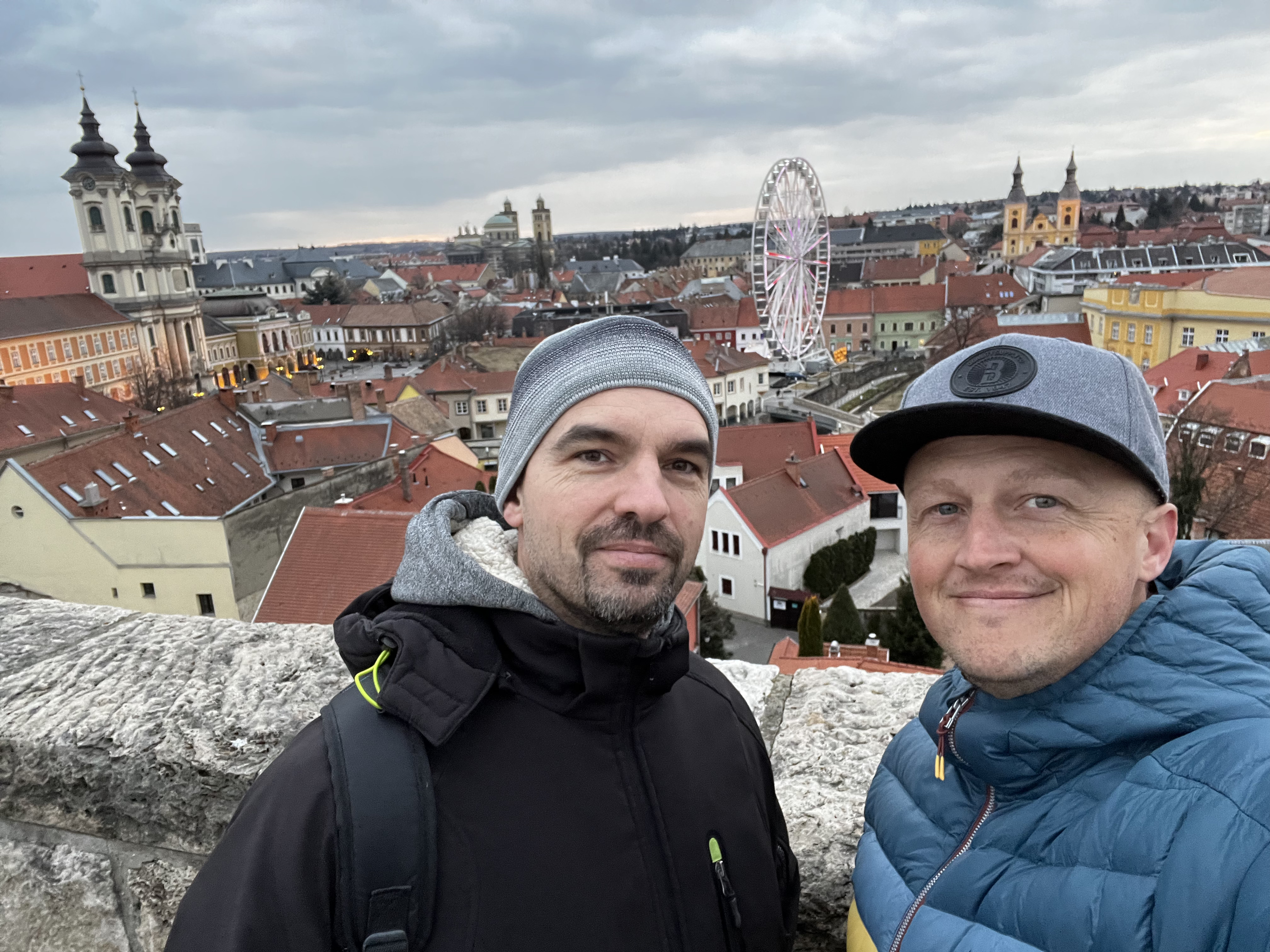
Standing on the balcony of the new church meeting place in downtown Eger.

Pray for Eger, and pray for Pastor Jani. He has been faithful. Pray for a fresh work of the Holy Spirit, for vision, guidance, and effective ministry.

Pastor Jani overlooking Eger from the fortress.

You Are What You Do: and Six Other Lies About Work, Life, & Love, by Daniel Im

I recently finished reading Daniel Im’s latest book You Are What You Do: and Six Other Lies About Work, Life, & Love.

I have enjoyed Daniel’s work with Ed Stetzer on the New Churches podcast and the book Planting Missional Churches.

I also read Daniel’s first book, No Silver Bullets: Five Small Shifts that Will Transform Your Ministry, and gleaned some great principles from it, particularly the concept of moving from “the sage on the stage” to “the guide on the side.”

For more on that, see:

7 Lies

img_3819

In Daniel’s latest book, he explores 7 lies; commonly held beliefs regarding identity, value, and self-worth:

  • You are what you do
  • You are what you experience
  • You are who you know
  • You are what you know
  • You are what you own
  • You are who you raise
  • You are your past

Believing each of these lies will lead to disfunction, disappointment, emptiness, pain, and regret – Daniel says.

In the book, Daniel is very candid about his own struggles with these lies. His stories are so personal, that they draw you in and not only make for compelling reading material, but they help you understand that these are not just abstract ideas for Daniel, they are things about which he has deep, personal knowledge and experience.

Perhaps most compelling of all is the story of him taking a job at a mega-church in Seoul, South Korea, from which he was later fired. He shows the courage to honestly explore his true motivations for taking the job, and why he struggled so much with getting fired and then struggling to find a job upon returning home to Canada.

Using and Fear

These are issues that I can relate to myself. I recently shared at a pastors conference about a time when I was a new pastor, my wife and I had planted a church in Eger, Hungary – and I realized that I wasn’t just doing ministry and serving people, but I was using ministry and using people as a way to affirm myself and build my own sense of identity and self-worth: that I was a pastor, a church planter, and a missionary. However, at the same time I was motivated by fear, because if my ministry didn’t pan out, then I stood to lose not only my job but my entire identity and sense of self-worth!

For more on this, check out: Identity Issues: Function, Labels, Sin & Jesus – which includes a video in which Mike and I discuss times in our lives when we’ve struggled with matters of identity, function, and labels, and how we have discovered the only true, stable, and fulfilling source of identity and self-worth in Jesus.

You Can’t Just Rid Yourself of Lies, You Must Replace Lies with the Truth

There were points in this book where I wondered, “Okay, Daniel is making a great case for why these things don’t fulfill, but is he going to point us to what will fulfill and satisfy?”

And of course, he did. He perfectly wrapped up the issue in the final chapter of the book, and this quote is a good summary of his point:

There is a sense of freedom in knowing what and who you are not. But ridding yourself of these seven lies won’t fill you – it’ll just empty you. Unless you replace these lies with the truth of who you really are, you’ll just find another set of lies – even stronger and more destructive – to replace these with. (p. 172)

In Conclusion…

Daniel Im’s latest book is relevant and timely. It’s the kind of book I wish I would have read as a young man getting a start on life. I would highly recommend it for young adults.

However, this isn’t only a book for young adults, as no one in the world today is immune to these lies. This is a book for everyone.

Here is the one piece of advice I would give in regard to this book: make sure to read all the way to the end. The book is written as a unified whole, rather than a series of stand-alone chapters; there is one big thought and thesis to this book, and if you stop reading before the end, you will miss it.

I congratulate Daniel on writing this book. I hope it will get into the hands of many people and be used by God to not only set them free from lies, but to find the security and freedom of “being found in Christ.”

But whatever gain I had, I counted as loss for the sake of Christ. Indeed, I count everything as loss because of the surpassing worth of knowing Christ Jesus my Lord. For his sake I have suffered the loss of all things and count them as rubbish, in order that I may gain Christ and be found in him. (Philippians 3:7-9)

An Important Perspective on the Difficult and Mudane

beofpp

A while back a friend shared an interesting concept with me, which I have come to see applies to many areas of life. We were on our way to meet with a ministry that our church supports and we knew that there would be some hard conversations that needed to be had – some behaviors and attitudes which needed to be confronted and challenged, some practices that needed to be critiqued.

What my friend told me is that things like this are hard in the moment, but when you zoom way out, and you take the big picture view of what is going on, they are actually beautiful – and if you can keep that perspective, it helps you to do those things which are difficult in the moment.

The example he used was his family: if you look at any given moment up close, it probably doesn’t look that beautiful: dad is frustrated and scolding the kids for not doing their chores, mom is complaining that someone left their shoes in the middle of the floor, siblings are bickering with each other, the dog is barking and scratching up the glass door…  It’s all terrible, right?

Except it’s not. If you zoom out from the details of the moment and take the 30,00o foot view, where you see what is happening there as a whole, what you see is something beautiful: you see a group of people who are living together, who love each other and are committed to each other. And 20 years from now, it’s not going to be the siblings bickering that you’ll remember, it’s the big picture of the family that was together.

The point is: Even if in the moment it isn’t glorious and beautiful, in the big picture it is.

I think this can be applied to many areas in life. In general, creating things and building things is an inglorious process, but the big picture of the process itself, not only the finished product, can be a beautiful thing.

I know someone who felt a calling to move his family to a certain city a few years ago to plant a church. They were excited, they felt that they loved the culture of this city, that it would be a great fit for their family, and they expected that God would use them to birth a new church. After arriving in town and getting established, they set up the church’s website, affiliated with a group of churches, and announced a weekly meeting. They were prepared that it might be slow-going getting started, but they were excited when someone they had invited showed up for their Bible study. However, little encouragements like this became more and more rare. For two years they did everything they could think of to get this church started, the whole family was involved, and the husband worked also worked a full time job to pay the bills. After two years, they shut it down and moved back to where they had come from, disappointed and confused: had they not discerned God’s will correctly that this is what they were supposed to do?  Or was it possible that God had led them out there on purpose, knowing that the church plant would not succeed, in order to teach them something?

If you would have looked at any given moment, you might have seen intense discouragement. You might have seen kids complaining that their parents had taken them away from their friends back home to move to this place, and for what? To have a Bible study in their house that was poorly attended? You might have seen a marriage that was struggling under the stress and sadness of a dream that was not materializing. Nothing beautiful. Nothing glorious.

But when you take a step back and look at the big picture, you do see something that is beautiful. You see something that is downright glorious. You see a family together, taking a step of faith and following God; working together and serving together, praying together for God to work in a city and call people to new life. You see a man and a woman who are seeking God for direction, and asking Him to speak to them. You see a group of kids who have a mom and dad who are setting an amazing example for them of values which really matter… That is beautiful. That is glorious.

That isn’t to say that everything people do is glorious in the big picture. There are plenty of things which are not. But doing things that matter often consists of doing many things which aren’t glorious or pretty or fun. Sometimes they are messy or painful or even just super boring. This is true of business, school, relationships, marriage, and just about anything else that matters.

Keep that perspective in mind this week: try to see the big picture in the difficult moments, and let that encourage you to continue on working for things that matter.