Why Jesus’ Teachings in the Gospels are Reliable & Incredible – with Dr. Peter J. Williams

Many people consider Jesus to be a great teacher, but few actually realize just how incredible his teachings actually were.

In this episode of the Theology for the People podcast, I speak with Dr. Peter J. Williams, the principal of Tyndale House in Cambridge, and the chair of the International Greek New Testament Project. He is also a member of the ESV Translation Oversight Committee, and the author of several books, including: Can We Trust the Gospels?

Dr. Williams’ latest book is called The Surprising Genius of Jesus: What the Gospels Reveal about the Greatest Teacher, in which he examines Jesus’ teachings in the Gospels and shows how we know that these teachings truly do originate with Jesus, and that they show an incredible awareness of, and connection to the Old Testament in a way that would have triggered the memories of the first listeners, and which contains layers of meaning for us as readers today.

This is a fascinating discussion; I hope you enjoy it!

Click here to listen to the episode, or listen in the embedded player below.

Peter J. Williams – Why Jesus’ Teachings in the Gospels are Reliable & Incredible Theology for the People

Many people consider Jesus to be a great teacher, but few actually realize just how incredible his teachings actually were. Dr. Peter J. Williams is the principal of Tyndale House in Cambridge, and he is the chair of the International Greek New Testament Project. He is also a member of the ESV Translation Oversight Committee, and the author of several books, including one titled: Can We Trust the Gospels? Dr. Williams' latest book is called The Surprising Genius of Jesus: What the Gospels Reveal about the Greatest Teacher, in which he examines Jesus' teachings in the Gospels and shows how we know that these teachings truly do originate with Jesus, and that they show an incredible awareness of, and connection to the Old Testament in a way that would have triggered the memories of the first listeners, and which contains layers of meaning for us as readers today. Make sure to check out the Theology for the People website at nickcady.org

Romanticism & “Pagan Protestantism”: Christianity in Relation to Western Culture – with Andrew Wilson

In this episode of the Theology for the People podcast, the first of Season 4(!), I speak with Andrew Wilson.

Andrew has a PhD from King’s College London, and he serves as the teaching pastor at King’s Church London.

In his new book, Remaking the World: How 1776 Created the Post-Christian West, Andrew looks at 7 transformational events which took place in 1776, that paved the way for today’s post-Christian western culture. By understanding how those events influence the way people think today, Christians can more effectively share God’s truth in a post-Christian age.

In this episode, Andrew and I talk about the TV show Lost, along with discussions about philosophy, and history, how these things relate to Christian theology, mission, and practice, and how God’s Word and the hope of the gospel are particularly relevant to the Western mindset today.

Click here to listen to the episode, or listen in the embedded player below.

Andrew Wilson – Romanticism & “Protestant Paganism”: Christianity in Relation to Western Culture Theology for the People

In this first episode of Season 4, Nick Cady speaks with pastor and author Andrew Wilson about why understanding western culture is important for Christian theology and mission. Andrew has a PhD from King’s College London, and he serves as the teaching pastor at King’s Church London. In his new book, Remaking the World: How 1776 Created the Post-Christian West, Andrew looks at 7 transformational events which took place in 1776, that paved the way for today’s post-Christian western culture. By understanding how those events influence the way people think today, Christians can more effectively share God’s truth in a post-Christian age. Make sure to visit the Theology for the People website at nickcady.org

The Role of Beauty in Theology – with Dr. Philip Ryken

In this episode of the Theology for the People podcast I speak with Dr. Philip Ryken, who is the President of Wheaton College in Wheaton, Illinois. He has a Doctorate in Philosophy from Oxford University, and he is the author of over 50 books. His latest book is called Beauty is Your Destiny: How the Promise of Splendor Changes Everything.  

In this episode, Dr. Ryken and I discuss the role of beauty in theology. Dr. Ryken points out that Beauty is not a topic that is often discussed in theological circles, but it should be, both as a lens through which we view theological topics such as forgiveness, or atonement, or justice, and even as an attribute of God and the end result of God’s work of redemption in our lives and in the world.

Click here to listen to the episode, or listen in the embedded player below.
The Role of Beauty in Theology – with Dr. Philip Ryken Theology for the People

Dr. Philip Ryken is the President of Wheaton College in Wheaton, Illinois. He has a Doctorate in Philosophy from Oxford University, and he is the author of over 50 books. His latest book is called Beauty is Your Destiny: How the Promise of Splendor Changes Everything.   In this episode, Dr. Ryken and I discuss the role of beauty in theology. Dr. Ryken points out that Beauty is not a topic that is often discussed in theological circles, but it should be, both as a lens through which we view theological topics such as forgiveness, or atonement, or justice, and even as an attribute of God and the end result of God’s work of redemption in our lives and in the world.

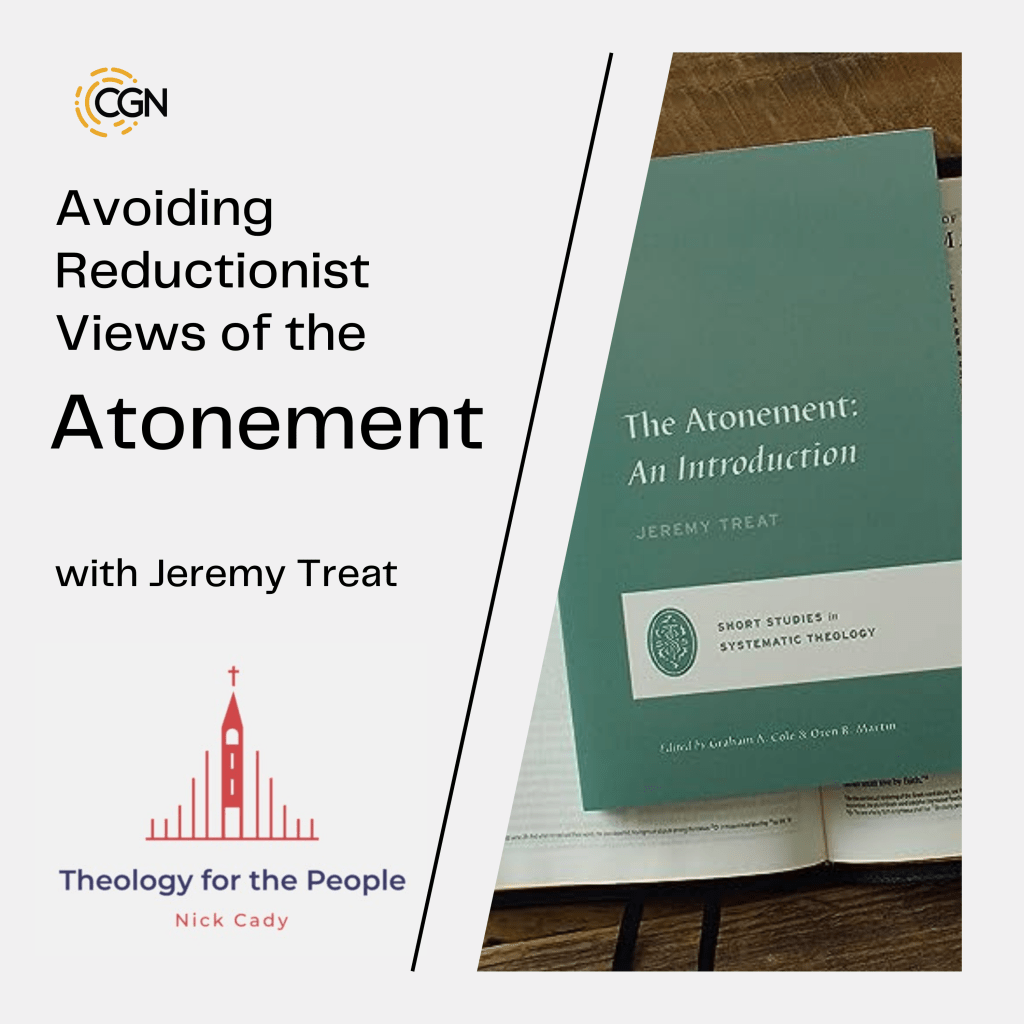
Avoiding Reductionist Views of the Atonement – with Jeremy Treat

Jeremy Treat is the Pastor for Preaching and Vision at Reality LA, a church in Los Angeles, California. He is also an Adjunct Professor of theology at BIOLA University, and he has his PhD from Wheaton College. 

Jeremy is the author of several books. His latest book is The Atonement: an Introduction, published by Crossway Publishing as part of their series of Short Studies in Systematic Theology.

On this episode of the Theology for the People podcast, I spoke with Jeremy about the doctrine of the Atonement, including what it means, and why it is so central to Christianity.

We also discuss some common errors that people commit when thinking about the atonement, and how many of these errors are due to a view of the atonement which is reductionistic. Further, we talk about the practical implications of those different reductionist views.

Jeremy believes that the best narrative in which to understand the atoning work of Jesus is that of the Kingdom of God, in light of the entire story that the Bible tells.

Click here to listen to the episode, or listen in the embedded player below.
Avoiding Reductionist Views of the Atonement – with Jeremy Treat Theology for the People

Jeremy Treat is the Pastor for preaching and vision at Reality LA, a church in Los Angeles, California. He is also an Adjunct Professor of theology at BIOLA University, and he has his PhD from Wheaton College.  Jeremy is the author of several books. His latest book is The Atonement: an Introduction, published by Crossway Publishing as part of their series of Short Studies in Systematic Theology. In this episode, Jeremy speaks with Nick Cady about the doctrine of the Atonement, including what it means, and why it is so central to Christianity. They also discuss some common errors that people commit when thinking about the atonement, and how many of these errors are due to a view of the atonement which is reductionistic. Further, they talk about the practical implications of those different reductionist views. Jeremy believes that the best narrative in which to understand the atoning work of Jesus is that of the Kingdom of God, in light of the entire story that the Bible tells.

A Biblical Approach to Church Planting – with Nathan Knight

Nathan Knight is the Lead Pastor of Restoration Church in Washington DC — a church that he planted 14 years ago.

He now leads a church planting network in the DC area called Treasuring Christ Together, and he recently wrote a book (published by Crossway and 9Marks) about church planting called: Planting by Pastoring: A Vision for Starting a Healthy Church

In our discussion, Nathan and I talk about the premise of his book, which seeks to encourage the planting of new churches, while getting back to the biblical definitions of what a church is, what a church does, and how to define “success” in a local church.

Click here to listen to the episode or listen in the embedded player below.
A Biblical Approach to Church Planting – with Nathan Knight Theology for the People

Nathan Knight is the Lead Pastor of Restoration Church in Washington DC — which is a church that he planted 14 years ago. He now leads a church planting network in the DC area called Treasuring Christ Together, and he recently wrote a book (published by Crossway and 9Marks) about church planting called: Planting by Pastoring: A Vision for Starting a Healthy Church.  In our discussion, Nathan and I talk about the premise of his book — which seeks to encourage the planting of new churches, while getting back to the biblical definitions of what a church is, what a church does, and how to define “success” in a local church. Make sure to visit the Theology for the People website at nickcady.org

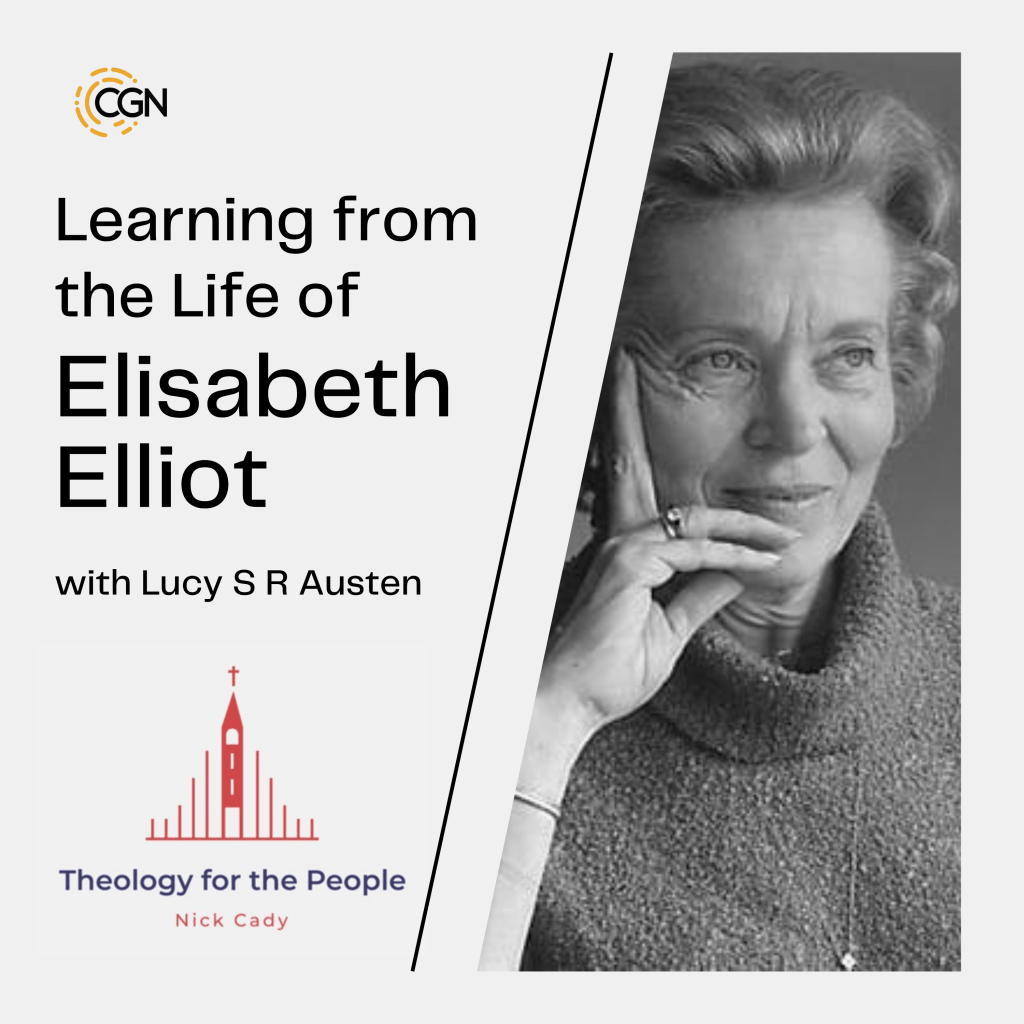
Learning from the Life of Elisabeth Elliot – with Lucy S R Austen

In this episode of the Theology for the People podcast, I speak with Lucy S R Austen. Lucy recently wrote a book, published by Crossway, titled Elisabeth Elliot: A Life

Elisabeth Elliot was one of the most well-known and influential figures of the late 20th century, and early 21st century, both in evangelical circles, but also in the culture at large.

On this episode Lucy and I speak about who Elisabeth Elliot was and the influence she had.

As Lucy points out, Elisabeth Elliot was a sometimes controversial figure, who changed her views on things throughout her life, and her life reflects much of the history of evangelicalism in the 20th century.

Click here to listen to the episode or listen in the embedded player below.
Learning from the Life of Elisabeth Elliot – with Lucy S R Austen Theology for the People

Elisabeth Elliott was one of the most well-known and influential figures of the late 20th century, and early 21st century, both in evangelical circles, but also in the culture at large. Recently a biography of her life was written by Lucy S R Austen, and published by Crossway Publishing, titled Elisabeth Elliot: A Life. On this episode of Theology for the People, I speak with Lucy S R Austen about who Elisabeth Elloitt was and the influence that she had. As Lucy points out, Elisabeth Elliot was a sometimes controversial figure, who changed her views on things throughout her life, and her life reflects much of the history of evangelicalism in the 20th century. Visit the Theology for the People website at nickcady.org

Podcast Mini-series: Interviews with Testimonies from Christians in Ukraine

Earlier this year I traveled to Ukraine to help lead a conference for Christians who had been providing aid for people in their country since the full-scale Russian invasion began in February 2022.

While I was there, I heard stories from many people of tragedy and loss, but I also heard stories of heroism, faith, and spiritual revival.

I also had the opportunity to record a few interviews with members of different churches, in which they got to share their experiences in the early days of the war, how things look now, and how God has been working and using them to share his love to hurting people.

These interviews are being released on the CGN Voices Podcast. There will be four episodes in this mini-series, and they will be released every Friday for the next few weeks.

The first episode came out last week, and it is one which was particularly meaningful to me. You can listen to it here, or in the embedded player below.

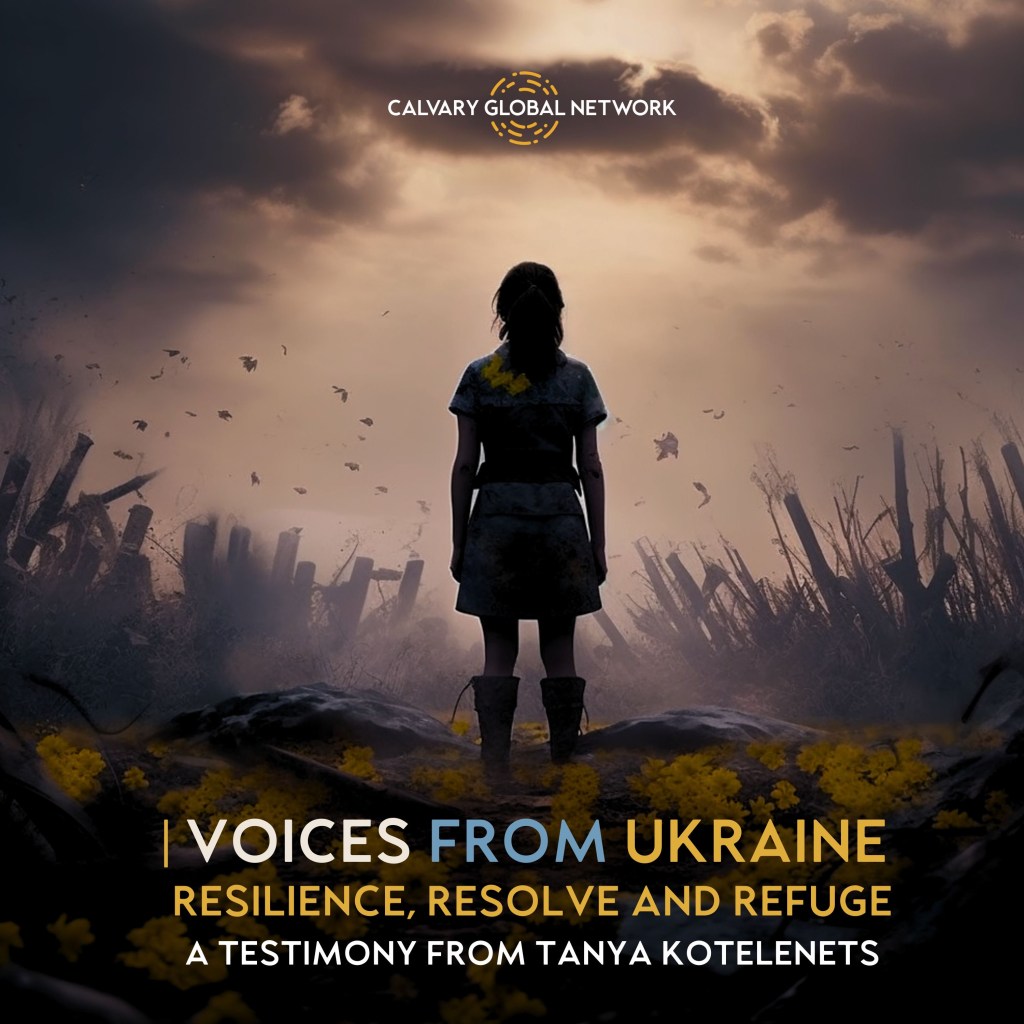
Ukraine: Resilience, Resolve and Refuge – A Testimony from Tanya Kotelenets CGN Voices

Welcome to "Voices from Ukraine", a mini-series inside look at the resilience, faith, and service of Calvary Chapel believers in Ukraine during the difficult months since Russia's full-scale invasion began in February 2022. In this special edition, we sit down with Tanya Kotelenets from a church in eastern Ukraine. Kotelenets shares her harrowing experiences from the first days of the war – the fear, uncertainty and eventual decision to flee the city with her church community. Despite difficult conditions, God's provision and grace sustained them. Though she returned home months later, the impact of war remains. Kotelenets’s husband ministers at funerals almost daily, including that of a coworker who recently died in combat. Our listeners are reminded that all parts of the body of Christ feel the suffering of others. Kotelenets asks for prayers for the children enduring so much change and loss, and for strength to continue living through this conflict with hope. If you'd like to support relief efforts in Ukraine, donations can be made through calvaryglobalnetwork.com/relief Join us next time for another firsthand account of courage, sacrifice and faith continuing to burn bright within the Calvary Chapel family amidst the darkness of war.

When were the Gospels & Revelation Written? And Why It Matters – with Shane Angland

How do we know when the books of the New Testament were written? Is it important?

In this episode of the Theology for the People podcast, I speak with Shane Angland about the dating of the Gospels and Revelation, and why the answer to that question might be more important than you think.

We discuss relative and absolute dating methods. We also look at some of the evidences for why we can be confident that the Gospels were written shortly after Jesus’ life and ascension. Additionally we talk about the Book of Revelation, and how the dating of Revelation actually determines how we interpret it.

Shane ss a teaching elder at Ennis Evangelical Church in County Clare, Ireland. He is a graduate of Dallas Theological Seminary (Th.M.) and holds a BA in History and Politics from the University of Limerick. Shane also served for several years as a missionary in Kharkiv, Ukraine.

The book Shane recommends at the end of this episode is: Redating the New Testament by John A.T. Robinson. Although Shane doesn’t agree with Robinson’s theology at some points, this work was groundbreaking because it showed that the books of the New Testament were most likely all written within the first century, and therefore were not pseudographs written in the Second Century, or later, as some, like Walter Bauer, had claimed in the 19th Century.

Check out Shane’s blog here: http://anglandicus.blogspot.com/

Click here to listen to the episode, or listen in the embedded player below.
When were the Gospels & Revelation Written? And Why It Matters – with Shane Angland Theology for the People

How do we know when the books of the New Testament were written? Is it important? In this episode, I speak with Shane Angland about the dating of the Gospels and Revelation, and why the answer to that question might be more important than you think. We look at some of the evidences for why we can be confident that the Gospels were written shortly after Jesus' life and ascension. Additionally we talk about the Book of Revelation, and how the dating of Revelation actually determines how we interpret it. Shane ss a teaching elder at Ennis Evangelical Church in County Clare, Ireland. He is a graduate of Dallas Theological Seminary (Th.M.) and holds a BA in History and Politics from the University of Limerick. Shane also served for several years as a missionary in Kharkiv, Ukraine. The book Shane recommends at the end of this episode is: Redating the New Testament by John A.T. Robinson Check out Shane's blog here: http://anglandicus.blogspot.com/ Visit the Theology for the People blog at nickcady.org, where you can read articles and suggest topics for future episodes.

Bible Study in the Dark Ages: The Irish Monastic Approach and What It Can Teach Us Today

Shane Angland is a teaching elder at Ennis Evangelical Church in County Clare, Ireland. He is a graduate of Dallas Theological Seminary (Th.M.) and holds a B.A. in History and Politics from the University of Limerick. Shane also served for several years as a missionary in Kharkiv, Ukraine.

On this episode of the Theology for the People podcast, Shane shares some of his research about the Irish monastic approach to Bible study in the “Dark Ages” and what made it unique, as well as what we today can learn from their practices.

Check out Shane’s blog here: anglandicus.blogspot.com

Click here to listen to the episode, or listen in the embedded player below.
Bible Study in the Dark Ages: The Irish Monastic Approach and What It Can Teach Us Today – with Shane Angland Theology for the People

Shane Angland is a teaching elder at Ennis Evangelical Church in County Clare, Ireland. He is a graduate of Dallas Theological Seminary (Th.M.) and holds a BA in History and Politics from the University of Limerick. Shane also served for several years as a missionary in Kharkiv, Ukraine. On this episode, Shane shares some of his research about the Irish monastic approach to Bible study in the "Dark Ages" and what made it unique, as well as what we today can learn from their practices. Check out Shane's blog here: http://anglandicus.blogspot.com/ Visit the Theology for the People blog at nickcady.org, where you can read articles and suggest topics for future episodes.

Applied Theology: Ministering to Victims of Human Trafficking – the Theological Foundations of “Mercy Ministry”

Earlier this month, I travelled to Hungary and Ukraine with a small team of pastors and leaders to put on a retreat for Ukrainian leaders who have been involved in providing aid over the past year since the full-scale invasion of their country.

On the way, I had the opportunity to visit some friends in Hungary, including my friend László (Laci), who pastors in Budapest.

In addition to pastoring a local church, he leads a ministry which helps those caught in human trafficking to escape prostitution and experience lasting freedom. 

The south side of Budapest, where Laci ministers, is a working class area, known for high levels of crime and prostitution.

While I was in town, I had the opportunity to sit down with Laci to discuss we discuss the theological foundations for “mercy ministries” and how Laci got involved in practical ministry to the poor and oppressed. 

For more information, visit: Servants Anonymous Foundation

Click here to listen to the episode, or listen in the embedded player below.

Applied Theology: Ministering to Victims of Human Trafficking in Budapest, Hungary – The Theological Foundations of "Mercy Ministry" Theology for the People

László (Laci) is a pastor in Budapest, Hungary. In addition to pastoring a local church, he leads a ministry which helps those caught in human trafficking to escape prostitution and experience lasting freedom.  The south side of Budapest, where Laci ministers, is a working class area, known for high levels of crime and prostitution. In this episode, we discuss the theological foundations for "mercy ministries" and how Laci got involved in practical ministry to the poor and oppressed.  For more information, visit: Servants Anonymous Foundation