
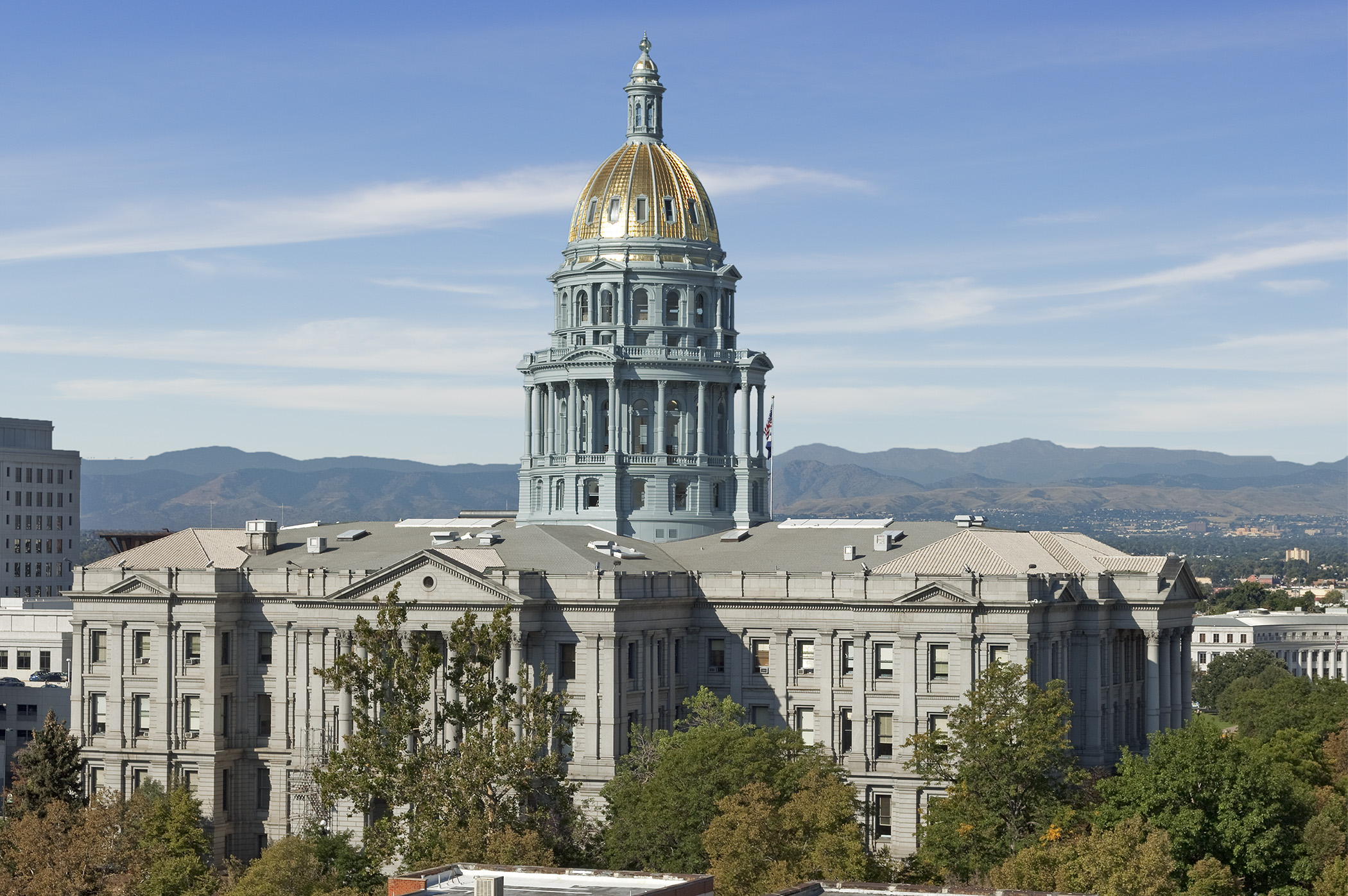
Colorado lawmakers recently introduced a bill to decriminalize prostitution in our state. Senate Bill 26-097, titled “Decriminalize Adult Commercial Sexual Activity,” is framed as a move toward personal liberty, but if it is passed, it will put people, especially women, at greater risk of sexual exploitation.
Those who are concerned with justice, compassion, and the protection of the vulnerable should be alarmed by this bill, and take steps to oppose it.
Last Sunday, at White Fields Church, we were joined by László (Laci) Németh, founder of the Anonymous Ways Foundation (Névtelen Utak Alapítvány) in Budapest, Hungary. Our church has supported their work for years, and when Laci heard about this bill, he was very concerned, because, as he stated in our service, wherever prostitution has been decriminalized, it has led to an increase in the sexual exploitation of women.
What This Bill Would Do
SB26-097 would effectively legalize the sex trade. However, SB26-097 is a decriminalization bill, which is even more reckless than actual legalization because it removes all penalties without adding any oversight or safety regulations. In addition to decriminalizing prostitution, this bill would:
- Allow brothel operations. Permitting the establishment of businesses that profit from the sale of sexual acts.
- Normalize exploitation. Treating the sex trade as just another sector of the economy, rather than a system built on the brokenness of the human condition.
Why This is a Problem
The proponents of this bill often frame it as a matter of “empowerment” or “safety” for sex workers. However, theology and history both tell a very different story.
In the book of Genesis, we are introduced to the profound truth that forms the bedrock of Christian ethics: every human being is created in the image of God (Imago Dei). This means that people are not products and bodies are not commodities, because human dignity is intrinsic. We are embodied souls, and therefore what we do with our bodies affects our souls.
The Myth of Increased Safety
The primary argument for decriminalization is that it brings the industry “out of the shadows,” supposedly making it safer for those involved. Yet, global data shows the opposite. In regions where prostitution has been decriminalized or legalized, we don’t see a decrease in violence or exploitation. Instead, we see an explosion in demand.
When legal barriers are removed, the market for that service grows. In the context of the sex trade, more buyers will lead to a need for more “supply.” But where does that supply come from? It doesn’t come from a sudden influx of empowered individuals choosing a career path. It comes from the vulnerable. It comes from women and children (boys and girls) trapped by poverty, addiction, and trauma. It comes immigrants and undocumented or trafficked individuals, in other words: from the very people whom God calls His people to protect. (see: “God’s Heart for the Vulnerable”)
By making it easier to buy sex, the state will be creating an infrastructure for human exploitation. You cannot expand the sex industry without expanding the recruitment of people into it—many of whom are not there by “choice” in any meaningful sense of the word.
The ministries and non-profits providing actual outreach to women and men on the streets (like the ones linked above), tell us that these people are not asking for the state to make their “workplace” more official, they are asking for a way out. They are looking for alternative employment, healing, and restoration of their dignity. By legalizing this industry, the state won’t be helping these women exit; it will be helping to keep them in it.
A Righteous Society
Additionally, God’s people are to be those, who like Jesus: love righteousness and hate wickedness (Hebrews 1:9). Sometimes people claim that “you can’t legislate morality,” but in reality, every law speaks to morality on some level, and criminalizes actions which are immoral or unethical.
If we really believe that God’s ways are best and lead to human flourishing, then we should want all people, created in the image of God, to experience that flourishing. If what the Bible says is true, and sin leads to heartbreak and destruction, then we should not allow laws which allow or encourage people to hurt themselves or others.
What You Can Do
As Christians, we are called to champion righteousness and “defend the rights of the poor and needy” (Proverbs 31:9). SB26-097 fails this biblical mandate because it ignores the link between the sex trade and human exploitation.
This bill is currently being considered by the Senate Judiciary Committee. It will not be put to a public vote, but will be decided by our state legislators.
Here’s what you can do:
- Email Colorado State Representatives, to tell them that you oppose this bill, and ask them not to approve it.
- Pray: Pray for our lawmakers, that they would have the wisdom to see the human cost of this legislation. Pray for the women, men, and children currently trapped in the sex trade.
 Theology for the People
One thought on “The Colorado Bill to Decriminalize Prostitution: Why It’s Wrong, and What You Can Do”